Approximately 70% of Americans are consciously trying to incorporate healthier options into their diets, with many turning to fresh produce, lean proteins, and organic products. However, many pre-packaged and processed foods on supermarket shelves contain additives, preservatives, and artificial preservatives like BHT (butylated hydroxytoluene), which may extend shelf life but could also carry potential health risks.
Even seemingly wholesome options, like salad dressings and sauces, may be laden with high-fructose corn syrup and emulsifiers. Look out for these 17 grocery items that contain more chemicals than nutrients.
Processed Meats

Hot dogs, sausages, and deli meats contain artificial preservatives like sodium nitrate and sodium nitrite, which contribute to the vibrant red color we love. Unfortunately, when cooked at high temperatures, these chemicals can form potentially harmful substances called nitrosamines.
The World Health Organization (WHO) warns that processed meats are classified as a Group 1 carcinogen, putting them squarely in the same category as tobacco. A study by the IARC further found that for every additional 50 grams of processed meat consumed daily, the risk of colorectal cancer goes up by 18%. Opt for unprocessed meats like fresh chicken or turkey, or plant-based proteins such as lentils and black beans.
Energy Drinks

A single energy drink can contain over 500 mg of caffeine and a cocktail of artificial sweeteners like aspartame and sucralose, preservatives such as potassium sorbate, and stimulants like guarana and taurine. These ingredients can lead to anxiety, heart palpitations, and even gastrointestinal issues.
The average energy drink can contain up to 30 grams of sugar per serving. For a natural pick-me-up, consider green tea, which boasts a modest caffeine content and a wealth of antioxidants. You might also try coconut water, packed with electrolytes for hydration.
Soda

Soda has a high sugar content (a single can contains up to 10 teaspoons of sugar), high fructose corn syrup, caramel color, phosphoric acid, and artificial sweeteners like aspartame, which has been linked to numerous health issues, including digestive problems and headaches.
These sweet fizzies often contain phosphoric acid, which adds to that tantalizing tang and can weaken bones over time! Infused with fresh fruits or herbs, Sparkling water offers a refreshing, flavorful option without added sugars or chemicals.
Microwave Popcorn
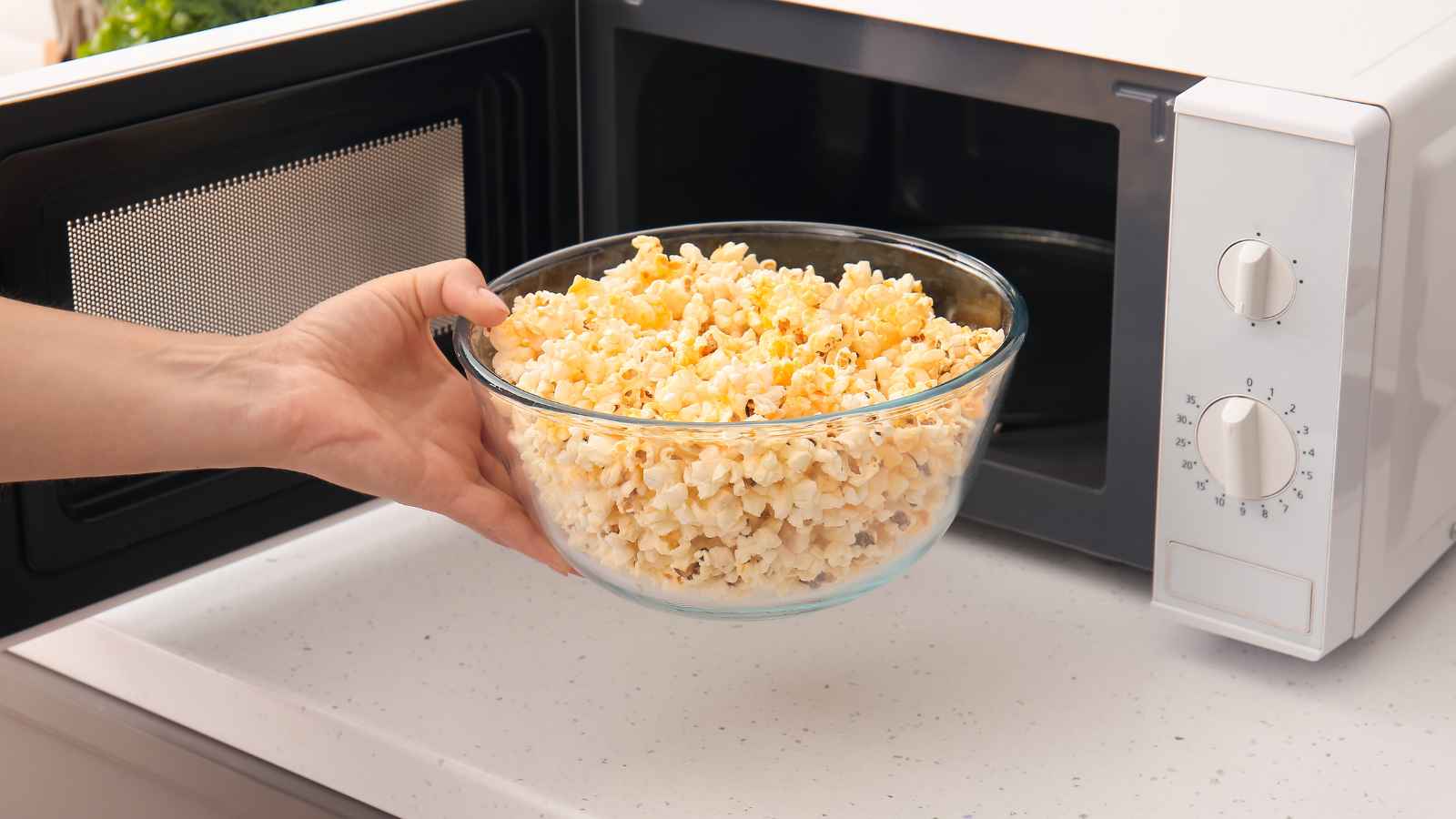
The CDC stresses that diacetyl, a chemical used for that buttery aroma, is linked to severe respiratory issues. A study published in the Journal of the National Institute of Health noted that workers exposed to diacetyl (2,3-butanedione) developed “popcorn lung,” a severe lung condition.
Many types of microwave popcorn are coated with perfluorinated compounds (PFCs), which can leach into the popcorn and have been linked to various health problems, including hormone disruption and increased cancer risk. Popcorn made at home using an air popper requires no added oils or artificial flavorings and retains its whole-grain goodness.
Instant Noodles
Instant noodles often contain MSG (monosodium glutamate), TBHQ (tertiary butylhydroquinone), and various artificial preservatives that may contribute to health issues like obesity and metabolic syndrome, particularly among women.
A typical serving of instant noodles can contain up to 1,000 mg of sodium, roughly 43% of the recommended daily intake. This can potentially lead to high blood pressure and other cardiovascular problems. Consider whole-grain or buckwheat noodles, which offer more fiber and can help regulate digestion. You can also try quinoa or chickpea-based pasta.
Packaged Baked Goods
Packaged baked goods, such as doughnuts, muffins, and snack cakes, often contain trans fats, high sugar levels, artificial preservatives, and chemicals like BHA/BHT, which can diminish their nutritional benefits.
Trans fats raise harmful cholesterol levels (LDL) while lowering good cholesterol levels (HDL), increasing the risk of heart disease. Baking at home lets you control the ingredients, using whole grains, natural sweeteners like honey or maple syrup, and healthy fats like coconut oil. Homemade banana muffins, oat muffins, or energy balls made with nuts and dried fruits are fantastic options.
Margarine

Commonly made from hydrogenated oils, margarine typically includes artificial flavors, preservatives, and emulsifiers that can contribute to various health issues. Many margarine brands contain trans fats, notorious for raising bad cholesterol (LDL) levels while lowering good cholesterol (HDL).
If you want something to add without the chemical baggage, consider choosing natural butter made from grass-fed cows, olive oil, or avocado oil as a spread. Nut butter made from almonds or cashews is also a delightful alternative that adds a creamy texture.
Frozen Meals

Many frozen meals contain over 1,500 mg of sodium per serving, significantly exceeding the recommended daily limit of 2,300 mg. Coupled with unhealthy additives like artificial preservatives and flavor enhancers, such as monosodium glutamate (MSG), it’s no wonder these have-ready meals leave much to be desired nutritionally.
You can create wholesome options like vegetable stir-fries, whole-grain pasta dishes, or hearty soups and store them in the freezer. Or consider pre-packaged options from brands that prioritize clean eating, such as Amy’s Organic or Evol, which offer meals made with whole ingredients and minimal processing.
Bottled Salad Dressings
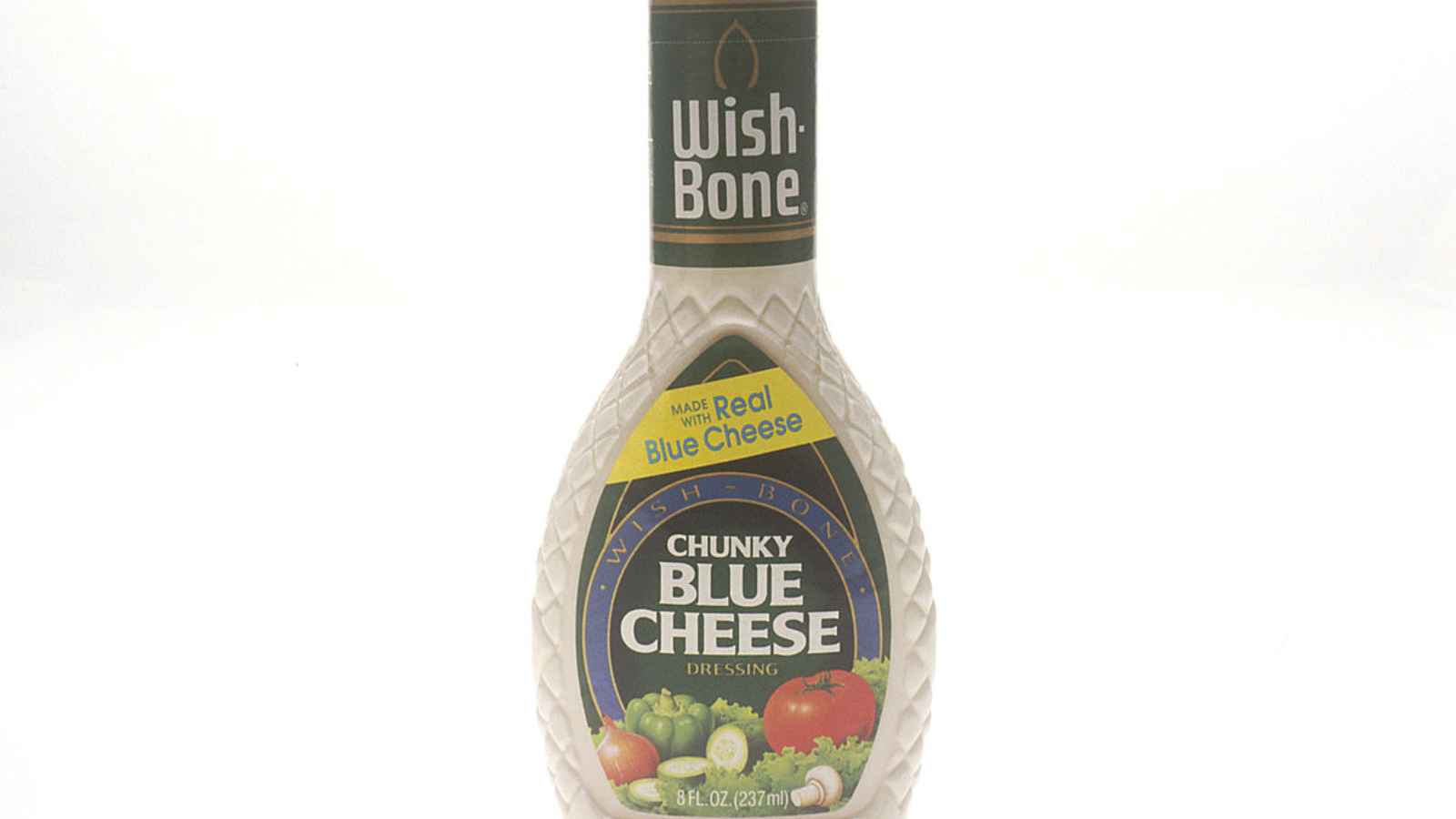
Often packed with high fructose corn syrup, artificial flavors, and preservatives like sodium benzoate, these dressings can contain more chemicals than nutrients. A study from Clean Eating magazine reveals that some popular brands pack a whopping 200 calories and over ten ingredients, many of which you can’t even pronounce!
Focan’testy vinaigrette, mix olive oil, balsamic vinegar, a squeeze of lemon, and a dash of mustard — your taste buds will thank you! Furthermore, using fresh herbs or avocados can elevate your salad game.
Canned Soups
Canned soups are often high in sodium (upwards of 800 mg per serving), MSG, and BPA, a chemical used in lining cans. The Mayo Clinic warns that BPA exposure is associated with a risk of heart disease and increased blood pressure.
Look for low-sodium options or explore brands that emphasize natural ingredients without preservatives. How about whipping up a batch of homemade vegetable soup? With simple ingredients like fresh veggies, herbs, and a splash of broth, you can create a delicious, nourishing meal free of chemicals and tailored to your taste.
Snack Bars

Many snack bars contain additives, including artificial sweeteners, gelatin, and preservatives like potassium sorbate. A report by the Environmental Working Group reveals that some snack bars contain upwards of 38 different ingredients, many of which are unrecognizable to the average consumer.
Consider choosing a bar made from whole ingredients like oats, nuts, and dried fruits—brands like RXBAR or Larabar. Popular at-home recipes include nut butter bars or energy bites rolled in coconut flakes.
Bread

Commercial breads contain high-fructose corn syrup, preservatives, and bleaching agents (primarily chlorine and benzoyl peroxide). Brands like Wonder® White Bread and many mainstream sliced breads are often heavily processed, stripping them of their natural nutrients to extend shelf life.
Look for whole-grain or sprouted bread—brands like Ezekiel® and Dave’s Killer Bread® focus on whole ingredients without funky preservatives.
Flavored Yogurts

Many well-known brands commonly found in local grocery aisles prominently feature ingredients such as high-fructose corn syrup, artificial colorants, and stabilizers that lack wholesomeness. Additionally, these yogurts often contain thickeners and flavoring agents that provide little to no nutritional benefit.
Opt for plain, unsweetened yogurt and mix it with fresh fruits, cinnamon, or a drizzle of honey. Brands like Oikos or Fage offer excellent options in full-fat or low-fat plain varieties.
Fruit Juices
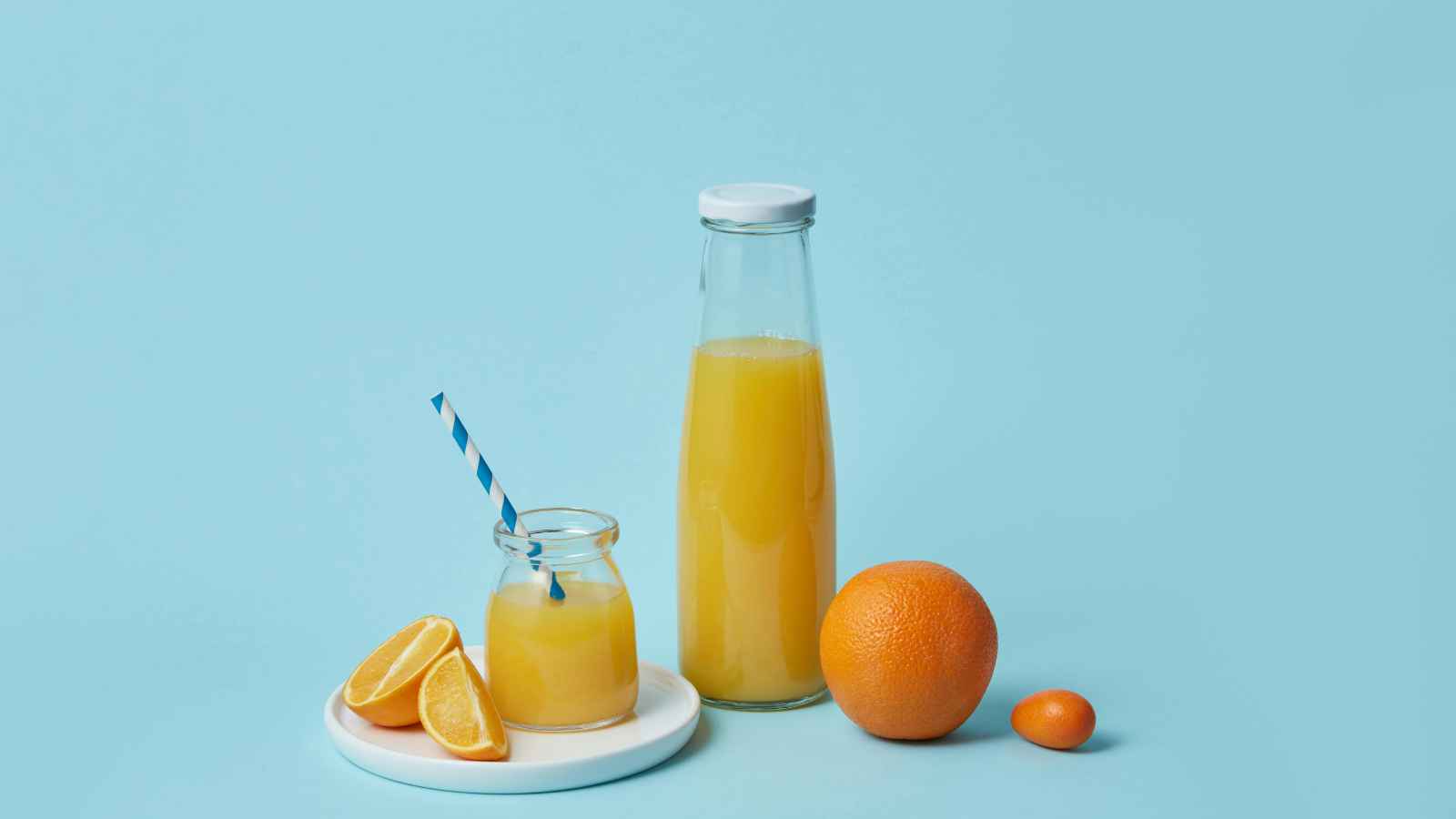
Many commercial fruit juices undergo extensive processing, often stripping them of their natural nutrients. Even more concerning, many brands add artificial flavors and preservatives to enhance the taste and shelf life.
Several popular fruit juices contain synthetic dyes (including tartrazine in some mango varieties) and additives whose long-term health effects remain largely unknown. Freshly squeezed juices or smoothies made at home are far superior choices!
Packaged Potato Chips

Some commercially available chips may contain artificial flavors, preservatives such as BHA (butylated hydroxyanisole), and even synthetic colors. A typical bag might have up to 300 calories and 15 grams of fat per serving, with minimal nutritional benefits to show for it.
It’s all too easy to run through an entire bag. Try baking your chips using thinly sliced sweet potatoes or kale seasoned with your favorite spices. Air-popped popcorn is another fantastic option, offering a satisfying crunch with far fewer calories and no harmful additives.
Frozen Pizzas

Research shows that a frozen pizza can contain over 25 ingredients, including artificial preservatives like BHT (butylated hydroxytoluene) and sodium nitrates. These additives enhance shelf life and can be linked to various health issues, from hyperactivity in children to potential carcinogenic effects.
Frozen pizzas contain over 800 milligrams of sodium per serving, nearly half the recommended daily limit! You can craft your own using whole-wheat or cauliflower crusts, piled high with fresh vegetables and lean proteins. Brands like Amy’s Kitchen and Calipso Amy’s offer delicious frozen pizzas made with simple, organic ingredients.
Processed Cheese

Made from a blend of natural cheeses, preservatives, and emulsifiers, processed cheese often contains chemicals like sodium phosphate, sorbic acid, and artificial flavors. Processed cheese can have as little as 51% actual cheese content, with the rest filled with additives to enhance taste, texture, and shelf-life stabilization.
A single slice can contain around 200 mg of sodium—leading to potential health risks such as high blood pressure or cardiovascular problems. Opt for natural cheese varieties like mozzarella, cheddar, or Gouda.