DIY projects can get expensive fast. Once you start adding up the cost of wood, fabric, paint, hardware, and other supplies, a project that looked inexpensive on paper can suddenly cost more than expected.
The good news is that you don’t always need brand-new craft supplies. Some of the most useful DIY materials are inexpensive, easy to find, or already sitting around your home. Repurposing what you have can also keep usable items out of the trash.
Here are 12 affordable supplies and materials worth keeping around for your next project.
Cardstock
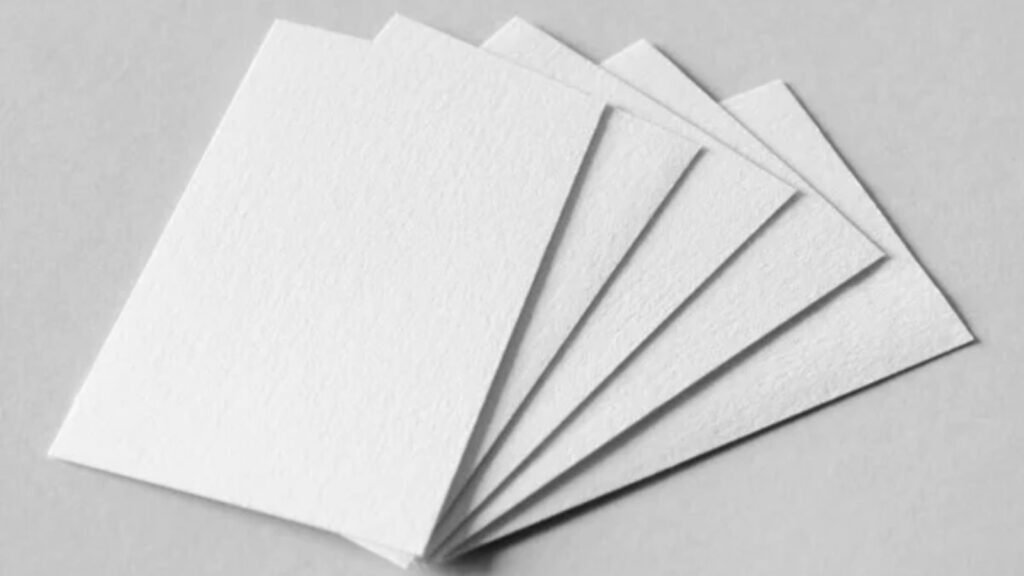
Cardstock is one of those basic supplies that comes in handy for all kinds of projects. It’s thicker than regular printer paper, but still easy to cut, fold, and write on.
Use it for greeting cards, scrapbook pages, gift tags, paper decorations, labels, or simple templates. It comes in plenty of colors and thicknesses, and buying a larger pack can bring the cost per sheet down.
A small stack of cardstock can go a long way, especially if you enjoy paper crafts or like making decorations at home.
Hot Glue Gun and Sticks
A hot glue gun is inexpensive and useful for a surprisingly long list of DIY jobs. It’s handy for attaching fabric, cardboard, lightweight wood pieces, decorations, and other craft materials.
The glue sets quickly, which is helpful if you’re working on a project with several small pieces. Glue sticks are also cheap and easy to find, so you can keep a supply without spending much.
Just keep in mind that hot glue isn’t the right adhesive for every material or project. For anything that needs to hold weight or withstand moisture and heat, use an adhesive made for that job.
Mason Jars
Mason jars have earned their place in the DIY world because they’re cheap, sturdy, and easy to reuse. If you already have a few empty jars in the kitchen, there’s no reason to throw them away after using what’s inside.
Turn them into vases, storage containers, candle holders, lanterns, or small planters. A little paint, twine, or ribbon can completely change their appearance.
They also work well with many styles of home decoration, from simple and modern to farmhouse-inspired.
Wood Pallets
Wood pallets can be useful for larger DIY projects, and sometimes you can find them for little or no cost. Businesses may have unwanted pallets available, although it’s a good idea to ask before taking any.
With sanding, cleaning, and the right finish, pallet wood can become shelves, planters, garden benches, coffee tables, or wall decor.
Be selective about the pallets you use. Look for clean, dry wood and check the markings before bringing one home, since not every pallet is suitable for indoor projects.
If you’re looking for pallet project ideas, this resource has plenty to explore.
Fabric Scraps
Don’t throw away those little pieces of leftover fabric. A scrap that’s too small for one project may be just right for another.
Use fabric remnants for patchwork, quilting, pillow accents, small bags, hair accessories, or decorative pieces. They can also be useful for covering small furniture pieces or adding color to otherwise plain items.
Thrift stores can be another good source for inexpensive fabric. You may find curtains, clothing, tablecloths, and other textiles that can be cut apart and reused.
Check out these thrift store treasures for more ideas about finding useful materials secondhand.
Recycled Materials
Before buying supplies, look around your home. Empty food jars, cardboard boxes, tin cans, old T-shirts, containers, and packaging can all become useful DIY materials.
An old T-shirt can become cleaning rags or fabric for a small sewing project. A food can can become a planter or pencil holder. Cardboard boxes can be turned into organizers, templates, or craft projects.
Repurposing everyday items can cut down on the amount you spend on supplies while also keeping useful materials out of the trash. Upcycling is a simple way to get more use out of things you already own.
PVC Pipe
PVC pipe isn’t just for plumbing. With a few cuts and connectors, it can be turned into storage racks, garden trellises, plant stands, organizers, and other useful household projects.
It’s lightweight, inexpensive, and easy to find at hardware stores. PVC can also be painted if you want to give it a different look.
Measure carefully before cutting, and use the proper tools and fittings for the project. Once you start looking at PVC as a DIY material instead of just plumbing hardware, there are plenty of possibilities.
Concrete
A small bag of concrete can be useful for more than repairing a sidewalk. DIYers use concrete to make planters, stepping stones, candle holders, small tables, countertops, and outdoor pieces.
You can pour it into molds to create different shapes and add pigment if you want a particular color. It also holds up well outdoors when the project is made and sealed correctly.
Concrete does require a little more preparation than some of the other materials on this list, but you don’t need a huge amount to get started with smaller projects.
Rope and Twine
Rope and twine are inexpensive, easy to store, and surprisingly useful. A roll can last through several projects, making it a handy item to keep in your DIY supplies.
Use them to wrap vases, make plant hangers, create basket handles, hang wall decor, or add a simple detail to furniture.
Jute and cotton twine can give projects a natural look, while thicker rope works well for projects that need a little more structure. Just pick the type and thickness based on what you’re making.
Check out these DIY projects before starting your next project so you don’t accidentally spend more than planned.
Cork
Cork sheets and tiles are easy to cut, lightweight, and useful for all kinds of small projects. They’re especially handy for making bulletin boards, coasters, trivets, drawer liners, and wall accents.
Cork has a warm, natural appearance on its own, but you can also paint or decorate it if you want something more colorful.
Because it’s easy to cut with basic craft tools, cork is a good material for projects where you need to make custom shapes.
Recycled Glass
Old glass bottles, jars, and other pieces can become useful decorative materials instead of ending up in the recycling bin.
For certain projects, recycled glass can be used for mosaics, decorative fillers, garden accents, and other craft work. Some craft stores also sell bags of recycled glass pieces in different colors and sizes.
If you’re working with broken glass, take proper safety precautions. Wear gloves and eye protection when needed, and make sure the pieces are suitable for the project you’re making.
Paint Stirrers
Those wooden paint stirrers from the hardware store can be useful long after you’ve finished painting. They’re inexpensive, lightweight, and easy to cut, glue, paint, or stain.
Use them to make small picture frames, signs, wall art, organizers, plant markers, or decorative pieces. Several stirrers glued together can also create simple shelves or panels for smaller projects.
Before buying expensive craft wood for a small project, check whether paint stirrers can do the job. You may already have a few left over from your last room makeover.
DIY doesn’t have to mean buying a cart full of supplies before you can get started. Look around your home, check thrift stores, save useful scraps, and think about how everyday materials could serve another purpose.
Sometimes the cheapest material is the one you already have.