The 1960s changed the way Americans ate. Families welcomed new convenience foods, television commercials introduced exciting products, and home cooks became more adventurous in the kitchen. Alongside traditional comfort foods, recipes inspired by other countries started appearing on dinner tables, giving people plenty of new flavors to enjoy.
For Baby Boomers, these dishes are tied to childhood memories, family meals, birthday parties, neighborhood cookouts, and holiday gatherings. Some have faded from everyday menus, while others still hold a special place in kitchens across the country.
Here are 17 foods from the 1960s that many people still remember with a smile.
Tang
Few drinks are more closely tied to the Space Age than Tang. After NASA astronauts took the powdered orange drink into space, kids everywhere wanted to try it for themselves. Suddenly, mixing a glass of Tang felt like sharing something with America’s space heroes.
Its bright citrus flavor, vibrant color, and quick preparation made it a regular feature at breakfast tables. For many Boomers, seeing that orange powder poured into a pitcher instantly brings back memories of Saturday mornings and family breakfasts.
TV Dinners
Frozen TV dinners became a household favorite during the 1960s. Families could enjoy a complete meal without spending hours in the kitchen, which appealed to busy parents and households looking for convenience.
Brands like Swanson filled grocery store freezers with compartment trays holding meat, vegetables, potatoes, and dessert. Eating dinner while watching television became part of American family life, making these frozen meals one of the decade’s defining food trends.
Pop-Tarts
When Kellogg’s introduced Pop-Tarts in 1964, breakfast became much more exciting. These toaster pastries offered a warm, sweet meal that was ready within minutes, making rushed school mornings much easier.
Flavors like strawberry, blueberry, and brown sugar cinnamon quickly became favorites. Many people still remember waiting for the toaster to pop, careful not to burn their fingers grabbing that warm pastry before heading out the door.
Spam
Spam had already been around for years, but it remained a pantry staple throughout the 1960s. Its long shelf life and versatility made it an easy ingredient for sandwiches, casseroles, breakfast plates, and quick dinners.
Families appreciated having a reliable canned meat that was always ready to cook. While opinions on Spam have always been divided, many people still associate its familiar flavor with home-cooked meals from childhood.
French Onion Dip
Few party snacks were more popular than French onion dip. Made by stirring dry onion soup mix into sour cream, it became the centerpiece of countless family gatherings, holiday parties, and game nights.
Served with potato chips, crackers, or fresh vegetables, it offered a creamy, savory bite that guests kept coming back for. Its popularity has lasted for decades because the recipe is simple and consistently delivers.
Fondue
Fondue became one of the biggest entertaining trends of the decade. Friends and family gathered around a communal pot of bubbling cheese or melted chocolate, dipping bread cubes, fruit, vegetables, or marshmallows into the mixture.
The meal was just as much about spending time together as it was about the food. Fondue parties brought a sense of fun to dinner that many people still remember fondly.
Swedish Meatballs
Cocktail parties became increasingly popular during the 1960s, and Swedish meatballs often appeared on appetizer tables. Served with toothpicks and covered in creamy gravy, they were easy to eat while mingling with guests.
Their rich flavor and tender texture made them a dependable crowd favorite. Today, they remain a comforting classic that still appears at holiday celebrations and family gatherings.
Rumaki
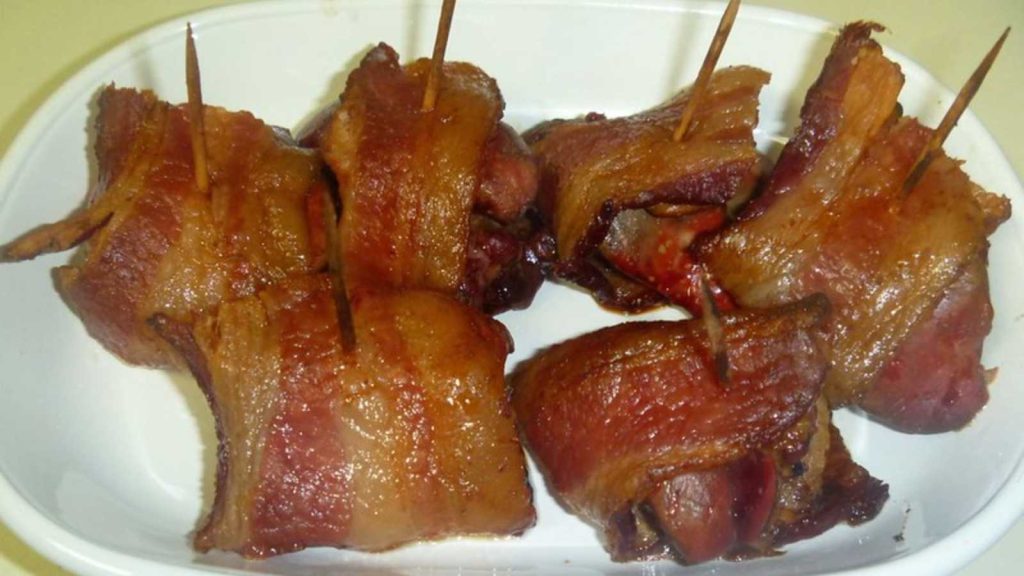
Rumaki reflected America’s growing curiosity about international flavors during the 1960s. This appetizer paired chicken livers and crunchy water chestnuts, wrapped everything in bacon, then baked until crisp.
The mix of smoky bacon, tender liver, and crunchy water chestnuts made Rumaki stand out from more traditional party foods. While it isn’t as common today, it remains one of the decade’s most memorable appetizers for those who enjoyed entertaining at home.
Tuna Noodle Casserole
Few meals captured comfort food in the 1960s quite like tuna noodle casserole. Made with canned tuna, egg noodles, cream soup, and a crunchy topping of breadcrumbs or crushed potato chips, it was affordable, filling, and easy to prepare.
Busy families appreciated that most of the ingredients were already sitting in the pantry. For many Baby Boomers, the smell of this casserole baking in the oven still brings back memories of weeknight dinners around the family table.
Chicken à la King
Chicken à la King added a touch of elegance without requiring hours in the kitchen. Tender pieces of chicken were combined with mushrooms, peppers, and a rich cream sauce before being served over toast, rice, biscuits, or noodles.
It was a popular choice for family dinners and special occasions alike. The creamy sauce and comforting flavors helped make it one of the decade’s favorite homemade meals.
Beef Bourguignon
As French cooking became more popular in American homes, beef bourguignon earned a place on many dinner tables. The slow-cooked stew combined beef, red wine, onions, mushrooms, and herbs into a rich, satisfying meal.
Much of its popularity came from cookbook authors and television personalities like Julia Child, who introduced home cooks to classic French recipes. Preparing this dish felt like bringing a restaurant-quality dinner into the kitchen.
Meatloaf
Meatloaf remained one of the country’s favorite family dinners throughout the 1960s. Made with ground beef, breadcrumbs, eggs, and seasonings, it stretched inexpensive ingredients into a hearty meal that could feed everyone around the table.
Many families topped it with ketchup or a sweet tomato glaze before baking. Served with mashed potatoes and vegetables, meatloaf became the definition of home cooking for an entire generation.
Sloppy Joes
Sloppy Joes earned their place as a family favorite because they were easy to prepare and fun to eat. Ground beef simmered in a tangy tomato-based sauce was piled onto soft hamburger buns, creating a meal that lived up to its messy name.
Children especially loved them, and parents appreciated how quickly they came together after a busy day. They remain a comfort-food favorite in many households.
Jell-O Molds
Few foods represent the 1960s quite like colorful Jell-O molds. Home cooks turned flavored gelatin into everything from desserts filled with fruit to savory salads containing vegetables or seafood.
Their bright colors and decorative shapes made them a common sight at holiday dinners, church potlucks, family reunions, and neighborhood parties. Looking back, these creative creations perfectly capture the playful spirit of the decade.
Jell-O Molds
Few foods capture the playful spirit of the 1960s quite like Jell-O molds. Whether they were filled with fruit, marshmallows, vegetables, or even savory ingredients, these colorful creations regularly appeared at family dinners, church suppers, and holiday tables.
Part of their appeal was how creative they could be. Home cooks experimented with different flavors, molds, and mix-ins, turning a simple box of gelatin into an eye-catching centerpiece. While many of the combinations seem unusual today, they were a familiar sight in kitchens across America and remain one of the decade’s most recognizable food trends.
Tunnel of Fudge Cake
Tunnel of Fudge Cake became a household favorite after winning the Pillsbury Bake-Off in 1966. Unlike traditional chocolate cakes, it featured a rich, gooey center that surprised anyone who cut into it.
The recipe became so popular that grocery stores struggled to keep certain baking ingredients in stock. For many families, this cake was reserved for birthdays, holidays, and other special occasions. Its deep chocolate flavor and soft, fudgy center have helped it remain a classic long after the 1960s ended.
Ambrosia
Ambrosia was a dessert that regularly made an appearance at potlucks, holiday dinners, and family celebrations. Usually made with oranges, pineapple, coconut, whipped topping, and miniature marshmallows, it delivered a sweet, creamy mix of flavors that many people still associate with childhood.
Every family seemed to have its own version, with some adding cherries, pecans, or bananas. While recipes have changed over the years, Ambrosia continues to bring back memories of packed dining tables and recipes handed down through generations.
Chiffon Cake
Light, airy, and wonderfully soft, chiffon cake became a favorite dessert throughout the 1960s. Made with vegetable oil and whipped egg whites, it had a texture that was lighter than butter cake while staying moist for days.
Home bakers often flavored it with lemon, orange, or vanilla, and it was commonly served at birthdays, afternoon gatherings, and family celebrations. Its simple appearance let its delicate texture stand out, making chiffon cake a dessert many Baby Boomers still remember fondly.
The foods of the 1960s tell the story of a decade filled with new ideas, changing tastes, and memorable family meals. Some reflected the growing popularity of convenience foods, while others introduced home cooks to recipes inspired by different parts of the world. Together, they helped shape American kitchens during a memorable era.
For Baby Boomers, these dishes are more than old recipes, they’re reminders of family dinners, neighborhood gatherings, and celebrations shared around the table. Whether it’s a warm TV dinner, a slice of Tunnel of Fudge Cake, or a freshly toasted Pop-Tart before school, these foods continue to bring back memories that have stood the test of time.