Family heirlooms don’t always look valuable. Sometimes they’re tucked away in an old box, sitting in the back of a closet, or mixed in with everyday household items. A scratched piece of furniture, a stack of handwritten letters, or an old kitchen tool may seem like something that can be donated or tossed.
But those ordinary-looking things can carry family stories that can’t be replaced. Some may also have real historical or collectible value.
This is why clearing out a relative’s home can be tricky. Before putting everything in a donation pile or taking it to the curb, take a little time to see what you actually have. You might find a family treasure hiding in plain sight.
Vintage Jewelry
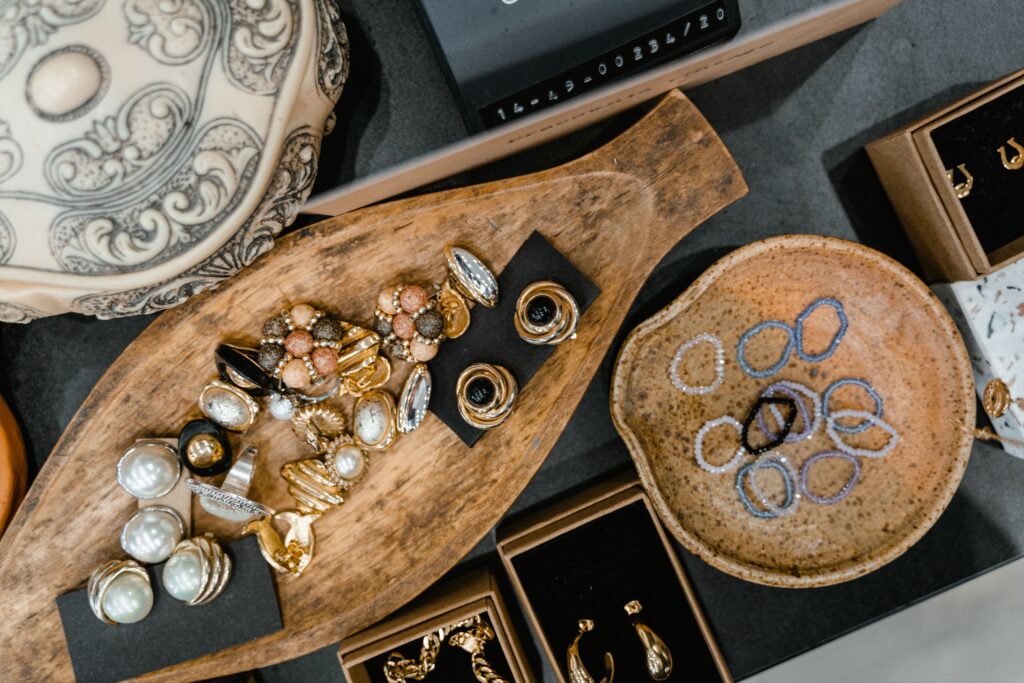
That tarnished brooch or old locket may look like costume jewelry at first glance, but it could be older or more valuable than you think. Certain antique and vintage pieces can sell for hundreds or even thousands of dollars, depending on their age, maker, materials, and condition.
The personal history can matter just as much. A necklace worn by a grandmother or a brooch passed down through several generations may have a story that no price tag can match.
Before throwing away damaged jewelry, check for maker’s marks, unusual materials, or family stories connected to the piece. Some items can also be repaired and worn again.
Related: 15 Household Essentials Every Family Should Have
Handwritten Letters and Diaries
Old letters and diaries offer something that digital messages simply can’t: a direct glimpse into how people lived and communicated.
They can reveal family relationships, major life events, everyday routines, and even the way people thought and spoke at the time. For relatives researching their family history, these papers can be incredibly useful.
Researchers also rely on personal letters and journals to learn about earlier generations. A George Mason University study explains how letters and journals have been used as source material for creating historical narratives.
Even if a letter seems ordinary, the person who wrote it may make it worth keeping.
Old Tools
Before getting rid of Grandpa’s old toolbox, take a closer look at what’s inside.
Older hand tools were often made from sturdy materials and built for years of use. Things such as hand-forged hammers, carpenter’s planes, saws, and specialty tools can interest collectors and people who enjoy traditional woodworking.
There is also a family connection that makes these objects worth keeping. A tool that belonged to a parent or grandparent can offer a small reminder of the work they did and the skills they passed down.
A little rust doesn’t automatically make an old tool worthless.
Fine China and Dishware
Those mismatched plates and teacups sitting in the back of a cabinet may be easy to overlook. Before donating them, check the markings on the bottom.
Certain patterns from makers such as Wedgwood and Spode are collected, and older pieces can sometimes have resale value. Sets don’t always have to be complete to be useful to collectors.
Then there’s the sentimental side. Maybe those dishes appeared at every Christmas dinner, birthday party, or family gathering. A chipped plate might have little financial value but still bring back a memory every time someone sees it.
Related: 11 Outdoor Activities Every Family Should Try on Vacation
Quilts and Handmade Textiles
A handmade quilt can look worn, faded, or a little uneven after decades of use. That doesn’t mean it belongs in the trash.
Older quilts, embroidered linens, handwoven tablecloths, and other handmade textiles can reflect the skills, materials, and traditions of the people who made them. Some were pieced together from leftover fabric, old clothing, or scraps that had another life before becoming part of the finished item.
Look for stitching, initials, dates, names, or notes attached to the piece. Those small details can tell you who made it and where it came from.
Military Memorabilia
Old medals, service photographs, uniforms, patches, letters, and other military belongings can tell an important family story.
Someone who doesn’t know the person behind an item might see an old uniform or box of papers as clutter. For relatives, historians, or museums, those same objects can provide valuable information about a person’s service and life.
Before getting rid of military belongings, check photographs and paperwork for names, dates, units, and locations. A simple note tucked inside a box may help identify the person connected to everything else.
Photographs
Boxes of unidentified photographs are easy to ignore during a big cleanout. Faded pictures with no names on the back can seem especially tempting to discard.
Try asking older relatives about them before doing that. They may recognize people, homes, neighborhoods, or events that younger family members have never seen.
Old photographs can also have historical and collectible value, particularly those from the 19th and early 20th centuries. Even when there is little financial value, preserving the pictures can help future generations piece together their family history.
A photo doesn’t have to be perfect to be worth keeping.
Furniture
That oversized dresser or squeaky rocking chair may clash with your current decorating style, but don’t assume it’s worthless.
Older furniture was often constructed differently from inexpensive mass-produced pieces. Solid wood, dovetail joints, unusual hardware, and hand-finished details can be clues that a piece deserves a second look.
A family piece may also be worth restoring. New upholstery, repairs, or a fresh finish can give an old chair or table another few decades of use.
And those scratches and dents? They may be part of the story.
Books and Bibles
Family Bibles can be especially meaningful because people often used their pages to record births, marriages, deaths, and other family events.
Those handwritten notes can provide information that isn’t found anywhere else. They may help relatives connect names and dates while researching their family tree.
Old books can also have collectible value. First editions, rare copies, unusual printings, and signed books can sometimes be worth much more than their owners realize. Learn more about identifying first editions before sending an old collection to the donation pile.
Kitchenware
Old kitchen tools can carry a surprising amount of family history.
A cast iron skillet might have been used for generations of family meals. A copper pot may have belonged to someone who loved cooking. Even a simple rolling pin can bring back memories of holiday baking and recipes passed from one generation to the next.
Some older cookware was made to last and can still be useful today. Before throwing away an old kitchen item, check its material, maker, age, and condition.
You might be holding something worth keeping after all.
Clocks and Watches
Old clocks, pocket watches, wristwatches, and other timepieces can have both decorative and collectible appeal.
Some feature detailed cases, mechanical movements, unusual markings, or craftsmanship that makes them interesting to collectors. A broken watch isn’t necessarily worthless either. Depending on the piece, it may be repairable or useful for parts.
Check the name on the dial, markings inside the case, and any numbers or engravings before getting rid of it. A family inscription can make an ordinary-looking watch much more meaningful.
Clothing and Accessories
Vintage clothing can tell you plenty about the person who wore it.
A handbag, hat, coat, dress, scarf, or pair of shoes may have been worn to a wedding, graduation, first job, or another major family event. Certain older pieces can also attract collectors and vintage fashion buyers.
Before donating an old garment, check its label, fabric, construction, and condition. Take a closer look at handbags and accessories too. A piece that seems dated today could have collectible appeal.
Records and Tapes
Old vinyl records, cassette tapes, and other recordings can be easy to overlook during a cleanout. But some releases are collectible, especially when they’re rare, in good condition, or connected to a popular artist.
Even records and tapes with little resale value can still be worth keeping for personal reasons. They may remind you of what your parents or grandparents listened to, or bring back memories of family gatherings and road trips.
If you’ve inherited a collection, look through it before giving it away. You might find an old favorite, or discover that someone in the family would love to hear those recordings again.