Painting a room sounds like one of those weekend projects that should be pretty straightforward. Open the can, grab a roller, and start covering the walls. Then the paint starts looking streaky, the edges get messy, or the color somehow looks completely different from what you expected.
A good paint job takes more than putting paint on a wall. A little preparation, the right tools, and some patience can make a huge difference. Here are some of the most common painting mistakes people make and what to do instead.
Starting in the Wrong Spot
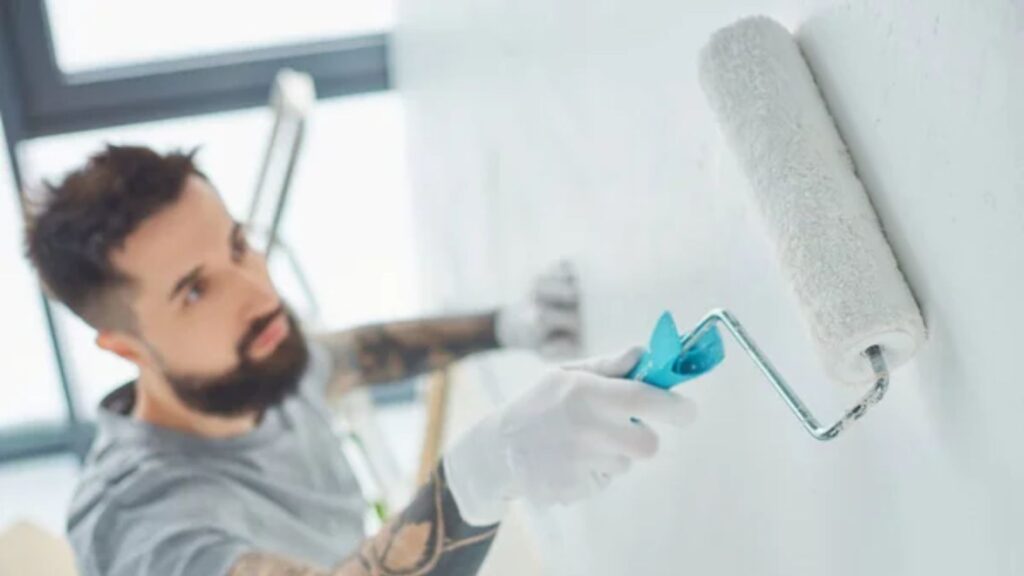
Where you start can make the rest of the job easier or harder. If you paint the walls first, you risk getting drips and splatters on the ceiling or freshly painted trim.
A better order is usually ceiling first, followed by walls, trim, doors, and baseboards. That way, any stray paint can be covered during the next step instead of forcing you to redo a finished surface.
Related: 14 Essential Tools for Painting Your Home’s Exterior
Skipping the Color Test
A paint color can look completely different once it’s inside your home. Store lighting, natural sunlight, shadows, and the other colors in the room can all change how it looks.
Before committing to an entire room, test a small section of the wall. Check it in the morning, afternoon, and evening so you can see how the shade changes throughout the day. This is especially helpful with paint colors.
Rushing Between Coats
Waiting for paint to dry can feel like the most boring part of the project, especially when you’re ready to finish the room. Still, putting another coat over paint that hasn’t dried properly can cause smearing, uneven coverage, and other problems.
Check the manufacturer’s drying instructions and give each coat enough time before going back over it.
Forgetting to Stir the Paint
Paint can settle while sitting in the can, which means the color and ingredients may not be evenly distributed. Give it a thorough stir before you start.
If you’re painting for several hours, stir it again from time to time. It takes very little effort and can help keep the color consistent across the room.
Leaving Floors and Furniture Unprotected
A few drops of paint on the floor might not seem like a big deal until you’re scrubbing them off later.
Move furniture out of the way when possible and cover anything that stays in the room. Put down a drop cloth before opening the paint. Covering everything first is much easier than trying to clean dried paint afterward.
Putting Too Much Paint on the Brush or Roller
More paint doesn’t mean faster coverage. Loading a brush or roller too heavily can leave drips, thick patches, and uneven areas.
Load your roller or brush with a reasonable amount of paint and work in even sections. If paint starts running down the wall, that’s usually a sign that you’ve picked up too much.
Related: 17 Fun House Painting Ideas That’ll Make Your Curb Appeal Pop
Skipping Painter’s Tape
A steady hand helps, but even experienced painters can benefit from painter’s tape. It can give you cleaner lines around trim, baseboards, door frames, and other areas you don’t want to paint.
Press the tape down firmly along the edge before painting. Once the paint has dried according to the product instructions, remove the tape carefully.
Painting Over Damp Walls
Paint and moisture don’t mix well. Painting over a damp wall can lead to bubbling, peeling, cracking, or other problems later.
If the wall has recently been cleaned, repaired, or exposed to moisture, give it enough time to dry before painting. If you’re dealing with a recurring leak or dampness, fix the underlying problem before worrying about a fresh coat of paint.
Painting in Poor Lighting
It’s hard to spot thin areas or missed patches when the room is poorly lit. You might finish the wall, step back the next morning, and suddenly notice all the places you missed.
Use plenty of light while you work. Natural light is helpful during the day, and an extra lamp or work light can help you see what you’re doing after dark. More natural light can also make it easier to judge the color as you paint.
Forgetting About Ventilation
Fresh paint can make a room smell strong, especially in a small space. Keeping the air moving makes the room more comfortable while you’re working.
Open windows and doors when possible, and use fans to move air through the room. Follow the safety instructions on the paint can, particularly if you’re using a product with stronger fumes.
Buying the Cheapest Brushes and Rollers
Your tools have more of an effect on the finished wall than you might expect. Poor-quality brushes can leave loose bristles behind, while low-quality rollers may shed fibers or produce uneven coverage.
You don’t need the most expensive equipment in the store, but decent brushes and rollers are worth buying. Good tools can make the work easier and leave you with a cleaner finish.
Assuming One Coat Is Enough
Sometimes one coat is all you need, especially if you’re covering a similar color with a quality paint. Other times, a second coat makes a huge difference.
Going from a dark wall to a light shade, for example, may take more than one coat to get even coverage. Check the paint manufacturer’s recommendations and look at the wall from different angles before deciding you’re finished.
Skipping Surface Prep
This is one of the easiest mistakes to make because prep work isn’t nearly as satisfying as watching a new color go onto the wall.
Dirty, greasy, dusty, cracked, or damaged walls can cause problems with paint adhesion and the finished appearance. Clean the surface, fill holes and cracks, sand rough spots when needed, and remove dust before you start.
According to mjkloss.co.uk, skipping surface preparation is one of the common problems that can affect a paint job.
Choosing the Wrong Type of Paint
The paint that works well in a bedroom may not be the best choice for a kitchen or bathroom.
Low-sheen finishes can work nicely in bedrooms and other low-traffic spaces, while areas exposed to moisture, grease, or frequent cleaning may benefit from a more washable finish, such as satin or semi-gloss. Always check the label to see whether the product is suitable for the room you’re painting.
Underestimating the Time It Takes
One of the biggest painting mistakes is assuming you’ll finish the entire room in a couple of hours.
There’s moving furniture, cleaning walls, taping edges, filling holes, priming, painting, waiting between coats, and cleaning your brushes and rollers afterward. A small room might be finished in a day, while a larger project can take longer.
Give yourself enough time so you aren’t rushing through the last wall just because you want the project finished. A little extra time usually makes for a much better result.