People spend a surprising amount of money on ordinary products simply because of branding, packaging, convenience, or the way they are sold. Bottled water is a classic example. WMAR 2 News reports that Americans spend more than $16 billion a year on bottled water, despite tap water costing a tiny fraction of that amount.
A higher price does not always mean a better product. In many cases, a cheaper alternative can do the same job just as well. From printer ink to gym memberships, here are 18 everyday purchases that can take a much bigger bite out of your budget than they need to.
Printer Ink
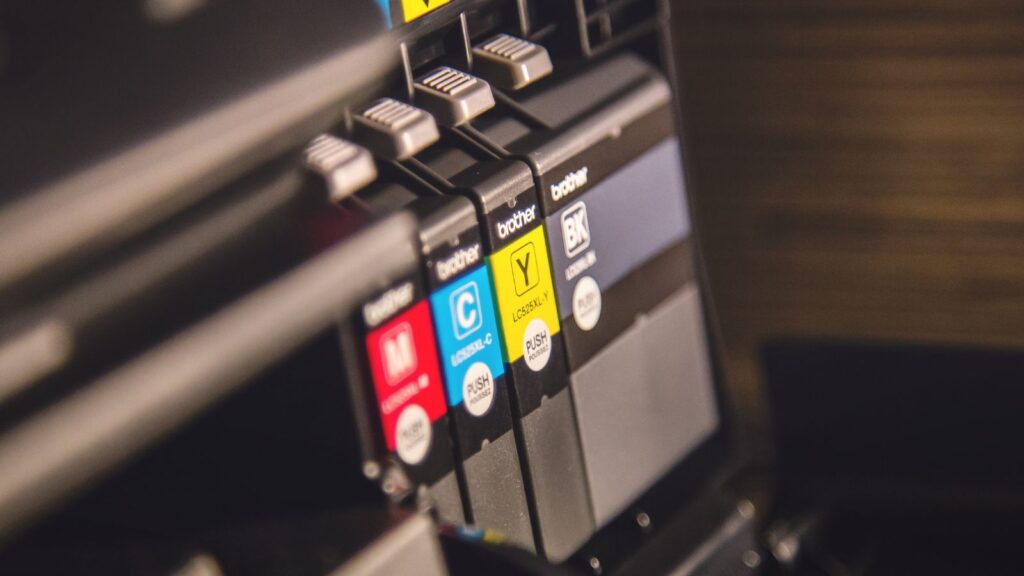
Printer ink has earned its “liquid gold” nickname for a reason. Depending on the cartridge, the equivalent cost per gallon can reach thousands of dollars.
Printer companies often make relatively little from the hardware and earn more from replacement cartridges. Proprietary cartridges and built-in chips can also make it harder to switch to cheaper options.
If you print regularly, refillable cartridges or reputable third-party replacements can cut the cost considerably. Just check that the ink is compatible with your printer before buying.
Related: 12 Common Garden Plants That Are Surprisingly Poisonous
Bottled Water
Bottled water is one of the clearest examples of paying extra for convenience. ABC10 reports that bottled water can cost thousands of times more than tap water.
A bottle is handy for travel or emergencies, but buying cases of bottled water for everyday use can become expensive. A reusable bottle paired with a home filtration system can save money and reduce the number of plastic bottles heading into the trash.
Coffee Pods
Coffee pods make brewing a cup incredibly easy, but that convenience comes at a price. Signature Organic Coffee reports that some single-serve pods can work out to $40 to $50 per pound, compared with roughly $14 to $18 for organic whole beans.
You also end up paying for individual packaging with every cup. A reusable pod filled with freshly ground coffee can bring the cost down. Traditional drip machines, French presses, and pour-over brewers are other inexpensive options.
Razor Blades
Replacement razor cartridges can cost far more than the razor handle itself. That’s part of the familiar “razor and blade” business model, where the initial product may be inexpensive while replacement blades generate more revenue.
Statista reported that Gillette Venus razors sold for about $11 in 2019, with replacement cartridges adding to the long-term cost.
Generic blades, subscription shaving services, and multipacks can all be worth comparing before buying. The cheapest option is not always the best, but there is little reason to assume the most expensive cartridge will give you the best shave.
Related: 15 Common Electrical Fire Risks You Might Be Overlooking
Designer Toothpaste
Toothpaste can become surprisingly expensive once luxury branding and specialty packaging enter the picture. Many premium products cost two or three times more than ordinary toothpaste without offering a major difference for everyday brushing.
According to Dental Partners of Boston, brand-name and generic toothpastes often contain many of the same basic ingredients.
For most people, a reasonably priced toothpaste containing fluoride is a practical choice. Paying extra for elaborate packaging or a fashionable brand name may add more to the bill than to your brushing routine.
Shampoo and Conditioner
Salon shampoos and conditioners can cost several times more than drugstore products sitting on the same shelf.
The Academy of Hair Design points out that salon and drugstore formulas can contain many similar ingredients, with branding, packaging, and professional marketing contributing to the price difference.
If a particular salon product works well for your hair, there may be a reason to keep buying it. Still, comparing ingredient lists and trying less expensive alternatives can save quite a bit over the course of a year.
Pre-Cut Fruits and Vegetables
Pre-cut produce is convenient, especially for busy households, but you’re paying someone else to do the chopping.
Prepared fruits and vegetables can carry a markup of around 40%, with the extra cost covering labor, packaging, and convenience. They can also spoil faster once they have been cut.
Buying whole produce and preparing it at home takes a little more time, but it can stretch your grocery budget further.
Related: 10 Common Kitchen Mistakes That Make Food Go Bad Faster
Name-Brand Cereals
Walk down a cereal aisle and you’ll often see a familiar brand sitting beside a store-brand version at a much lower price. In many cases, the ingredient lists are surprisingly similar.
The higher price of a name-brand cereal can come from advertising, packaging, licensing, and the recognition attached to the brand.
Store-brand cereals are worth trying before paying extra for the familiar box. Some may taste slightly different, but the savings can add up quickly for families that go through cereal regularly.
Fancy Coffee Drinks
A daily specialty coffee can quietly become one of those expenses that adds up without much thought. Lattes, frappuccinos, iced drinks, and other specialty beverages can cost several dollars apiece.
Starbucks Menu With Prices lists specialty drinks that can run around $4 or more, depending on the size and ingredients.
Buying one occasionally is one thing. Buying one every morning can turn into hundreds or even thousands of dollars a year. Learning to make your favorite coffee drinks at home can keep the treat while cutting the cost.
Baby Formula
Baby formula is a difficult expense for parents to avoid, and prices can add up quickly. Premium formulas can cost around $50 per container at major retailers such as Walmart.
The FDA sets nutritional standards for infant formula sold in the United States, and store-brand formulas can meet those requirements at a lower price.
Parents should speak with their pediatrician before changing a baby’s formula, particularly when a baby needs a specialized formula. For families using a standard formula, comparing store brands and larger containers can provide meaningful savings.
Branded Toys
A toy featuring a popular movie, television character, or video-game franchise often costs more than a similar unbranded toy. Licensing fees and the value attached to the character can raise the retail price.
The Statista toy industry data shows just how large the U.S. market is, with billions of dollars spent on toys every year.
Children often care more about what they can do with a toy than the logo on the package. Generic building sets, dolls, vehicles, puzzles, and craft supplies can offer hours of entertainment for much less.
Diapers
Disposable diapers are another major household expense, particularly during the first few years of a child’s life. The UN Environment Programme reports that the disposable diaper industry is worth tens of billions of dollars worldwide.
Name-brand diapers can cost considerably more than store brands. Some parents find that generic diapers work perfectly well for their children, making them an easy place to look for savings.
Cloth diapers are another option for families willing to take on the extra washing and maintenance.
HDMI Cables
Walk into an electronics store and you may see HDMI cables priced at $30, $40, or even more. Online, comparable cables can often be found for a fraction of that price.
For a standard digital connection, an expensive HDMI cable does not automatically produce a sharper picture or better sound. The cable needs to meet the requirements of the equipment and the signal being used.
Before paying a premium, check the specifications you actually need, such as HDMI version, bandwidth, resolution, and refresh rate.
Smartphone Cases
A smartphone case can cost $50 or more when it carries a well-known brand. Less expensive third-party cases can provide plenty of protection for a much smaller price.
Walmart, online marketplaces, and other retailers carry countless options made from materials such as silicone, TPU, leather, and polycarbonate.
The trick is to check customer reviews, drop protection, fit, button access, and compatibility with wireless charging before buying. A high price alone does not tell you how protective a case will be.
Replacement Batteries
Replacement batteries for cameras, laptops, and other electronics can be expensive when purchased directly from the original manufacturer.
A third-party battery can sometimes cost considerably less than an OEM replacement.
Compatibility matters here. Check the exact model number, voltage, capacity, warranty, and seller reputation before buying. Saving money is great, but a questionable battery is not worth the risk of damaging expensive equipment.
Designer Handbags
Luxury handbags can carry price tags reaching thousands of dollars. A large part of that price reflects the fashion house, brand recognition, exclusivity, and marketing rather than the raw cost of the materials.
Some shoppers are happy to pay for the design and prestige that come with a luxury label. For someone who simply wants a durable everyday bag, there are plenty of less expensive brands offering quality leather, canvas, and synthetic materials.
A good bag does not need a famous logo to last for years.
Branded Sunglasses
Designer sunglasses can cost hundreds of dollars, and much of the price can come from the name printed on the frame.
Many sunglasses are produced by large manufacturers that make frames for multiple brands. Paying more for a luxury label does not automatically mean receiving better eye protection.
Look for sunglasses that provide 100% UVA and UVB protection, then compare frame quality and fit. A well-made pair from a less expensive brand can protect your eyes without the luxury markup.
Gym Memberships
A gym membership can seem inexpensive when viewed as a monthly charge, but the cost becomes harder to ignore when you barely use it.
Renew Bariatrics reports an average gym membership cost of about $58 per month, with some memberships reaching $100 or more.
If you’re going several times a week and using the equipment, the expense may be worthwhile. If months pass between visits, you’re paying for a service you’re barely using.
Walking, running, cycling, home workouts, community recreation centers, and inexpensive fitness apps can all provide alternatives. A cheaper membership at a basic gym may also make more sense than paying for amenities you rarely touch.
The easiest way to cut these costs is to question what you’re actually paying for. A familiar brand, attractive packaging, convenience, or a premium label can make an ordinary product look more valuable than it really is. Comparing prices, checking alternatives, and buying based on what you actually need can leave considerably more money in your wallet.