You don’t need a garage packed with every tool you’ve ever seen advertised to handle basic home repairs. A few dependable tools can take care of most everyday jobs, while others may sit untouched for years.
It’s easy to buy something because it looks handy, only to realize later that you’ve used it once and now have to find somewhere to store it. Before adding another gadget to your toolbox, think about how often you’ll actually use it and whether a simpler tool can do the same job.
Here are 11 home tools that many homeowners can probably live without.
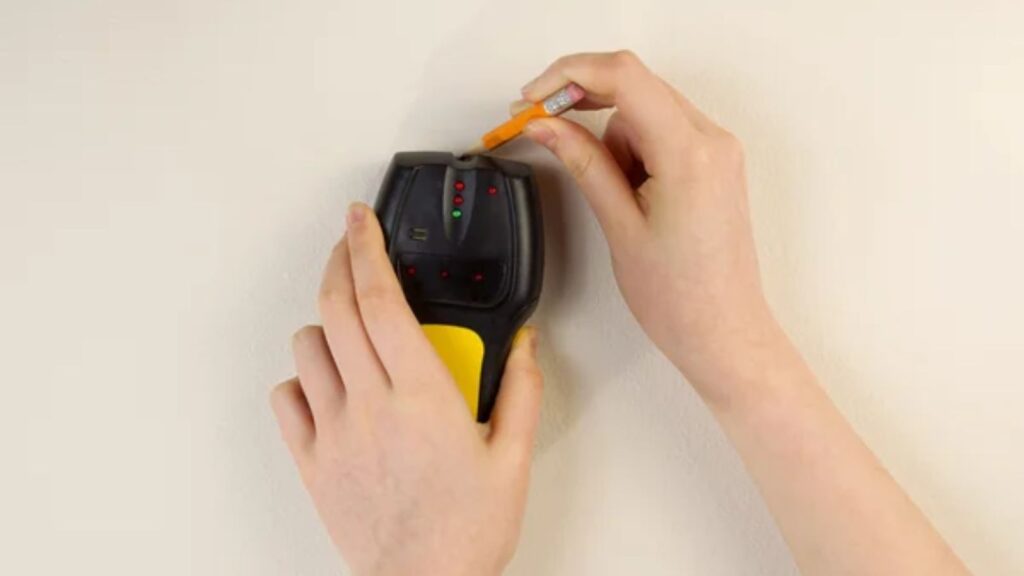
Stud Finder
A stud finder sounds like a great way to locate studs before hanging a heavy mirror or shelf. The problem is that some models can be unreliable, especially on certain wall materials or when there are wires and other objects behind the drywall.
For simple projects, tapping along the wall, checking for clues around outlets, or using a strong magnet can sometimes help locate the screws holding drywall to a stud. If you’re hanging something heavy, though, don’t rely on guesswork alone. A reliable stud finder can still be useful for bigger projects.
Related: 15 Household Essentials Every Family Should Have
Laser Level
Laser levels are impressive, but most homeowners don’t need one for everyday jobs.
If you’re hanging a few pictures, installing a small shelf, or lining up a piece of furniture, a basic bubble level can usually handle the task. It’s inexpensive, easy to store, and doesn’t require batteries.
A laser level makes more sense if you’re doing a larger renovation or need to mark long, perfectly straight lines. For occasional household jobs, it may spend more time sitting in a drawer than doing actual work.
Electric Screwdriver
An electric screwdriver can be handy if you’re assembling furniture or working on projects that involve dozens of screws. For smaller jobs, though, a regular screwdriver is often all you need.
A manual screwdriver gives you plenty of control and doesn’t need charging. A basic set with several sizes can handle everything from tightening cabinet hardware to replacing switch plates.
If you rarely tackle large projects, an electric version may be more convenience than necessity.
Related: 15 Easy Household Repairs You Can Tackle Yourself
Drain Snake
A drain snake can be useful for stubborn clogs, but it isn’t something every homeowner needs to own.
A plunger can handle many common sink and toilet clogs, and routine drain maintenance can help prevent problems from becoming severe. A drain snake also takes a little practice to use correctly. Using one carelessly can damage certain pipes or make an existing problem worse.
For an occasional serious clog, renting the right equipment or calling a plumber may make more sense than keeping a drain snake in the garage.
Caulking Gun
A caulking gun has its place, especially if you’re sealing multiple windows, installing trim, or doing a bathroom renovation. For the occasional small repair, though, you may not need one.
Many caulk products come in squeeze tubes that work well for small gaps and touch-ups. If you’re only resealing one section around a sink or bathtub, buying a full-size caulking gun may be unnecessary.
For larger projects, a proper caulking gun is still worth having.
Circular Saw
A circular saw is a serious cutting tool, but that doesn’t mean it’s a must-have for every homeowner.
If you’re making occasional small cuts, a handsaw can get the job done without taking up much space or requiring a power cord or battery. A jigsaw may also make more sense for certain projects that require curved or detailed cuts.
Circular saws are useful for larger woodworking and renovation jobs, but they require careful handling. For simple home projects, a simpler saw may be all you need.
Cordless Nail Gun
A cordless nail gun can save a lot of time if you’re installing trim, building furniture, or tackling a large carpentry project. If you’re hanging a few pictures or making small repairs, it can be excessive.
A hammer and the right nails can handle many basic jobs without needing a battery, charger, or dedicated storage space.
If you’re regularly working with wood, a nail gun could earn its place in your toolbox. For occasional repairs, your hammer probably already has the job covered.
Power Washer
There’s something satisfying about watching years of dirt disappear from a driveway with a pressure washer. But most homes don’t need one for regular cleaning.
A garden hose fitted with a suitable spray nozzle can handle plenty of outdoor jobs, from rinsing patio furniture to cleaning lighter dirt from outdoor surfaces.
Pressure washers can also damage paint, wood, siding, and other materials if the pressure or nozzle is wrong. According to JD Power Washing, pressure washing comes with both benefits and potential drawbacks. If you only need one for an occasional deep-cleaning project, renting one can make more sense than storing one year-round.
Wet/Dry Vacuum
A wet/dry vacuum is useful for workshops, garages, construction messes, and serious spills. For a typical household, though, it may be more machine than you need.
A regular vacuum can handle everyday dust and debris, while a mop and towels can take care of most household spills. If you aren’t regularly dealing with sawdust, renovation debris, or large amounts of water, a wet/dry vacuum could take up valuable garage space without getting much use.
If you do a lot of DIY work, this is one tool that may be worth keeping around. Otherwise, it’s easy to borrow or rent one when a messy project comes up.
Tile Cutter
Planning to retile one bathroom doesn’t necessarily mean you need to buy a tile cutter.
For a small project, renting one can save you from buying a tool that might sit unused for years. A manual tile cutter can also work well for certain tile jobs, depending on the material and type of cuts required.
If you’re planning several tiling projects, buying your own may eventually make sense. For a single weekend project, renting is often the easier option.
Specialty Wrenches
Walk through a hardware store and you’ll find a wrench for just about every oddly shaped nut and hard-to-reach space.
Some specialty wrenches are genuinely useful for particular repairs, but most homeowners don’t need a drawer full of them. A good adjustable wrench, a set of combination wrenches, and a socket set can handle a wide range of household jobs.
If a particular repair calls for something unusual, you can always buy or borrow that tool when you need it. There’s little reason to fill your toolbox with equipment you’ll rarely touch.