
Dogs are known for being loyal companions, family pets, working animals, and devoted friends. Yet dogs vary widely in size, energy, temperament, instincts, and training needs. Some breeds were developed for guarding, hunting, herding, or other demanding jobs, which can influence the kind of home and owner they need today.
Calling a dog breed “dangerous” can be misleading. A breed’s reputation doesn’t tell the whole story. Genetics, early socialization, training, handling, living conditions, health, and the individual dog’s personality all play a role in behavior. A poorly trained dog of any breed can become a safety concern, while a well-socialized dog from a powerful breed can be a wonderful companion.
Still, some dogs have the size, strength, drive, or protective instincts that require more experience from their owners. Knowing what those traits can mean is useful for anyone considering one of these breeds or interacting with one.
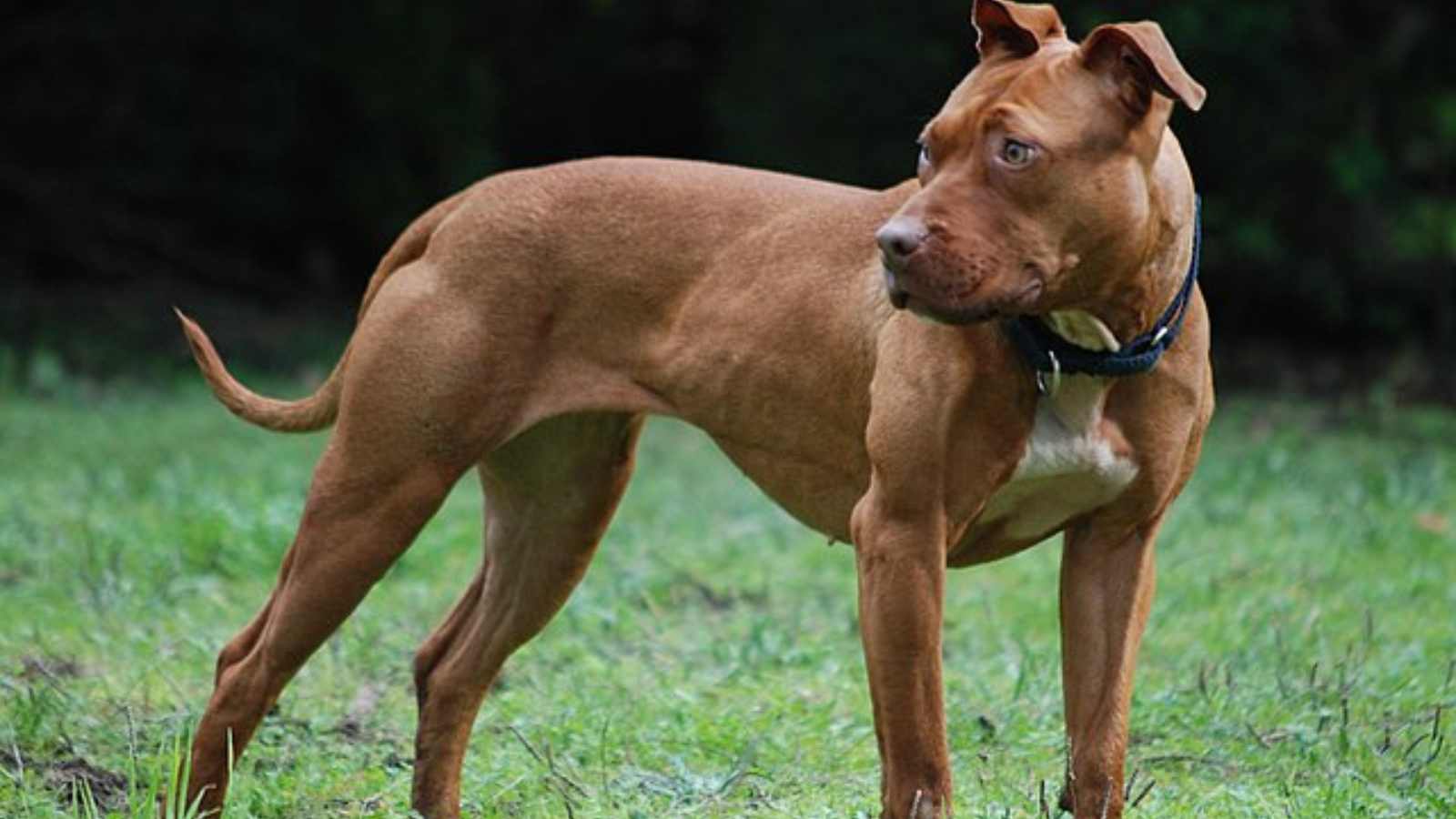
Pit Bull Terrier
Pit Bull Terrier is a name often associated with strength and a complicated history. Some dogs described as pit bulls have roots connected to bull-baiting and dog fighting, though the term can also refer to several different breeds and mixes.
Many individual dogs are affectionate, playful, and people-oriented. Their athletic build and physical strength mean that training and good handling matter a great deal. Early socialization, consistent boundaries, and responsible supervision can help prevent unwanted behavior.
Breed labels alone can’t predict how an individual dog will behave. Prospective owners should look at the dog’s history, temperament, and behavior rather than relying only on its appearance.
Related: The 12 Best Guard Dogs for Families
Rottweiler
Rottweilers are strong, confident dogs with a long history as working and guarding animals. They can be deeply devoted to their families and often have a natural tendency to watch over their home.
That protective instinct can become a problem if a dog isn’t properly socialized or learns to view ordinary situations as threats. The American Kennel Club notes that Rottweilers need proper training and socialization from an early age.
Their size also means that poor manners can create real problems. A Rottweiler that jumps on visitors, pulls hard on a leash, or reacts aggressively can be difficult for an inexperienced owner to manage.
German Shepherd
German Shepherds are among the most versatile working dogs. They have been used by police and military organizations, search-and-rescue teams, service programs, and families.
Their intelligence and strong work drive can make them highly trainable, but they also need regular physical activity, mental stimulation, and socialization. Without enough structure, some German Shepherds may become anxious, reactive, or overly protective.
A ScienceDirect study found that German Shepherds were among the breeds included in reports of aggressive behavior toward strangers. That doesn’t mean every German Shepherd is aggressive. It does show why owners need to take socialization and behavior training seriously.
Related: 15 Dogs Known for Their Natural Guarding Instincts
Doberman Pinscher
Doberman Pinschers were developed as protection dogs and remain known for their alertness, athleticism, and loyalty. They tend to form close bonds with their families and can be highly responsive to training.
Their protective nature can become difficult to manage if they aren’t exposed to different people, animals, places, and situations while young. A Doberman also needs regular exercise and activities that keep its mind occupied.
With good training and responsible ownership, these dogs can be affectionate family companions. Their size and strength still make good manners and reliable recall especially important.
Alaskan Malamute
Alaskan Malamutes were bred to haul heavy loads across Arctic terrain. That history explains much about the breed’s physical strength, endurance, independence, and need for activity.
A Malamute can become destructive or difficult to handle if it doesn’t receive enough exercise and mental stimulation. Some also have a strong prey drive, which can create problems around cats and other small animals.
Their independent streak can make training more challenging than it is with some highly biddable breeds. Owners need patience, consistency, and enough time to give these dogs the activity they need.
Related: The 14 Best Dogs for First-Time Owners
Great Dane
Great Danes are often called gentle giants, and many are calm, affectionate dogs. Their enormous size is still something every owner needs to take seriously.
A playful Great Dane can knock over a small child without meaning to, and an untrained adult can be difficult to control on a leash. Basic obedience is especially useful with a dog this large.
Great Danes can also be protective of their families. Early socialization helps them learn how to respond appropriately to unfamiliar people, animals, and situations.
Dogo Argentino
The Dogo Argentino was developed in Argentina for big-game hunting. It is muscular, athletic, determined, and capable of pursuing large prey.
These dogs can be affectionate with their families, but their prey drive and protective instincts require careful management. They tend to do best with owners who have experience handling strong working breeds.
The breed is also restricted or prohibited in some countries and jurisdictions. Anyone considering one should check local regulations before bringing a Dogo Argentino home.
Cane Corso
The Cane Corso is a large Italian mastiff with a history tied to guarding property and working alongside people. Its muscular build and protective instincts give it a serious presence.
These dogs can form strong bonds with their families, but they may be cautious around unfamiliar people. Without proper socialization, that caution can develop into unwanted defensive behavior.
A Cane Corso needs an owner who can provide consistent training, controlled introductions, exercise, and clear household rules. Its size means that even a relatively minor behavior problem can become difficult to manage.
Tosa Inu
The Tosa Inu is a large Japanese breed historically associated with dog fighting. It is rare in many parts of the world and is subject to restrictions in several countries and regions.
Tosa Inus can be calm and reserved, but their size, strength, and history mean they aren’t a casual choice for an inexperienced owner. Responsible handling and early socialization are especially important.
Anyone considering this breed should check local laws first. Ownership restrictions can vary considerably depending on where you live.
Siberian Husky
Siberian Huskies are often recognized for their striking appearance, playful personalities, and enormous amounts of energy. They were bred to pull sleds over long distances, so a short daily walk may not be enough to keep one satisfied.
Huskies can also have a strong prey drive. Some may chase cats, rabbits, birds, or other small animals, which means owners need to be careful about off-leash situations and introductions to other pets.
Their intelligence and independence can also make them creative escape artists. Secure fencing, regular exercise, training, and plenty of activity can make life much easier for both the dog and its owner.
No breed comes with a guarantee of aggression or safety. Responsible ownership starts with choosing a dog whose temperament, size, energy level, and instincts fit the household. Good breeding, early socialization, ongoing training, supervision, and proper care can make a major difference in how a dog behaves throughout its life.