
Your backyard may feel like your own little corner of the world, but owning a piece of property doesn’t mean every activity is automatically allowed. Local rules can cover noise, fires, construction, animals, chemicals, lighting, and even what you do with certain types of equipment.
Most of these rules aren’t meant to stop people from enjoying their homes. They exist to protect neighbors, wildlife, public safety, and the environment. The tricky part is that the rules can vary quite a bit from one city, county, or state to another.
Before starting a project or planning a big backyard event, it pays to check your local ordinances. A few minutes of research could save you from a complaint, a fine, or an expensive correction later.
Loud Parties or Music
A backyard party can get lively, but your neighbors may not share your enthusiasm for loud music at midnight. Many cities and counties have noise ordinances that set limits on volume, hours, or both.
The rules may be stricter at night, and repeated complaints can lead to warnings or fines. If you’re planning a late gathering, keep the speakers at a reasonable volume and check your local quiet hours.
Related: 11 Outdoor Activities Every Family Should Try on Vacation
Burning Yard Waste
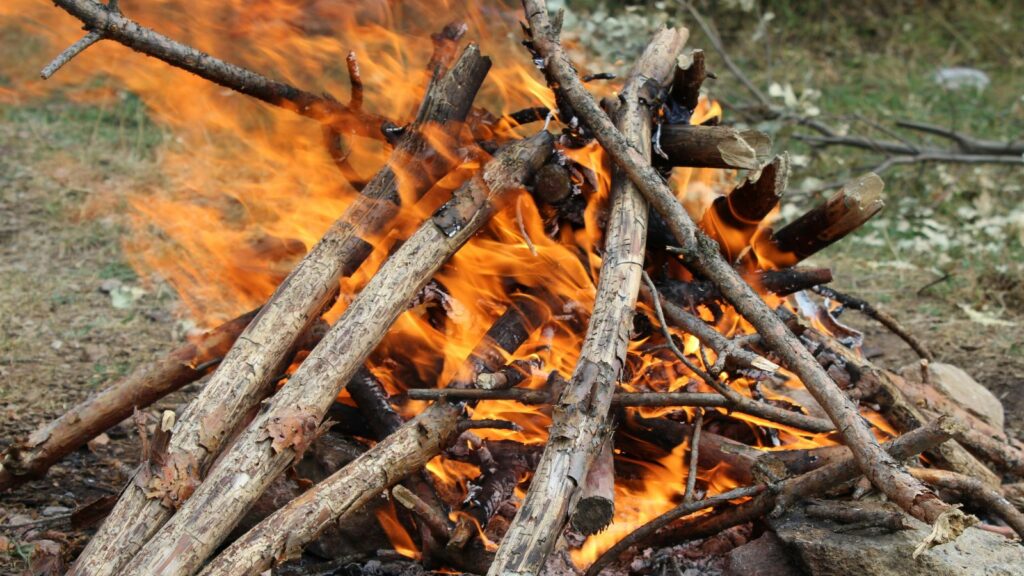
A pile of leaves and branches may seem like an easy thing to burn, but open-burning rules vary widely. Some communities prohibit backyard burning altogether, while others allow it only during certain seasons or with a permit.
There is also the obvious fire risk. Dry vegetation, wind, and a stray ember can turn a small backyard fire into a much bigger problem. Before lighting a pile of yard waste, check your local fire department or municipal rules.
Building Without Permits
That new shed, deck, fence, gazebo, or outdoor structure may require a permit. Requirements depend on where you live, the size of the project, and sometimes its location on your property.
Skipping the permit can create problems when you sell your home, and you could be ordered to make changes or remove the structure. A quick call to your local building department can tell you what paperwork, inspections, or setbacks apply.
Related: 15 Exciting Outdoor Activities That Won’t Break the Bank
Feeding Wildlife
Leaving food outside for deer, raccoons, bears, or other wild animals might seem harmless, but some places prohibit intentional feeding. It can also create problems long before anyone receives a ticket.
Wild animals that repeatedly find food around homes can become dependent on people and lose their natural fear of humans. The Washington Department of Fish & Wildlife warns that feeding wildlife can create conflicts and other problems.
Keeping Chickens or Other Animals on Your Land
Backyard chickens have become popular, but that doesn’t mean every residential property can have a small flock. Local zoning rules may limit the number of animals you can keep or prohibit certain livestock altogether.
Some communities also have rules covering coops, setbacks, sanitation, and roosters. Before bringing home chickens, goats, ducks, or other animals, check your local zoning regulations.
Running a Business
Turning your backyard into a source of extra income can sound like a great idea. Maybe you’re thinking about hosting events, running a dog daycare, selling plants, or using the space for another home-based business.
The problem is that residential zoning rules may restrict commercial activities. Parking, customer traffic, noise, signage, and operating hours can all come into play. A home business may also require a special permit or zoning approval.
Using Fireworks
Fireworks are a popular part of holidays and celebrations, but the rules can be surprisingly strict. Some areas prohibit certain fireworks altogether, while others restrict when and where they can be used.
Even legal fireworks can create serious fire and injury risks. Before setting them off in your yard, check state and local rules rather than assuming anything sold in a store is legal to use where you live.
Installing Pools or Hot Tubs
A backyard pool or hot tub can be a great addition to a home, but it may come with safety requirements. Local regulations can cover fencing, gates, barriers, electrical work, covers, and placement.
These rules are largely focused on preventing accidental drownings and other injuries. Before installing one, check with your local building department so you know what requirements apply to your property.
Using Herbicides or Pesticides
Spraying weeds or dealing with insects is part of routine yard care for many homeowners, but some pesticides are restricted. Using a product incorrectly can also create problems for nearby gardens, pets, waterways, and wildlife.
Read the product label and follow its instructions carefully. If you’re unsure whether a particular chemical is allowed in your area, check with your local environmental or agricultural agency.
Hosting Large Gatherings
A family barbecue usually isn’t an issue, but a backyard wedding, concert, fundraiser, or large party can fall under different rules. A big gathering may bring extra cars, amplified music, temporary structures, and other concerns.
Some communities require permits for events above a certain size. If you’re expecting a large crowd, check local requirements before sending out invitations.
Creating Excessive Smoke
A smoky backyard can become a neighborhood problem pretty quickly. Smoke from a fire pit, grill, outdoor fireplace, or burning material may bother nearby homes, especially when it drifts into windows or outdoor living areas.
Some communities have rules covering smoke and outdoor fires. Burning trash is also prohibited in many places because of the pollutants it can release. If smoke regularly leaves your property and affects your neighbors, you could receive a complaint.
Dumping Hazardous Materials
Pouring old paint, motor oil, solvents, pesticides, or other hazardous materials onto the ground or into a storm drain can contaminate soil and water. It can also violate environmental regulations.
Instead of trying to dispose of these products in your backyard, use an approved collection site or household hazardous waste program. The EPA provides information on finding hazardous waste management facilities.
Planting Invasive Species
That unusual plant at the garden center may look harmless, but some non-native species can spread beyond a yard and cause problems for local ecosystems. Certain plants are restricted or prohibited in some states because of their ability to spread aggressively.
Before planting something unfamiliar, check whether it’s listed as invasive or restricted in your area. Your local extension office or state agriculture department can usually provide guidance on plants that pose a problem.
Operating Drones
Flying a drone over your backyard may seem like a private activity, but drones are subject to aviation rules. Depending on where and how you fly, there can be restrictions involving altitude, airspace, airports, and other locations.
Privacy can also become an issue if a drone records neighboring properties or people without their permission. Check the applicable FAA rules before flying, especially if you’re close to an airport or other restricted area.
Excessive Outdoor Lighting
Bright floodlights can make a yard safer, but poorly placed lighting can become a nuisance for the people next door. Some communities also have rules intended to reduce light pollution.
If your outdoor lights shine directly into a neighbor’s windows or create excessive glare, you could receive a complaint. Use shields, motion sensors, timers, or lower-intensity bulbs where appropriate so the light stays focused on your property.
A backyard should be a place where you can relax, work on projects, entertain friends, or enjoy the outdoors. You don’t have to give up those activities just because local rules exist. A little research before starting a project can help you avoid unnecessary fines, disputes, and headaches while still making the most of your outdoor space.
Other Topics You Might Like
- Strange Yard Holes with No Mounds? 12 Causes—and Quick Fixes to Restore Your Lawn
- 17 Things You Should Never Do to Your Lawn
- 13 Reasons Skunks Are Secretly Beneficial to Your Lawn
- 7 Sneaky Creatures That Are Secretly Destroying Your Lawn
- 10 Ways Your Perfect Lawn Is Actually Destroying Your Home’s Foundation