If you’ve ever traveled across the United States, you’ve probably noticed that people don’t always use the same word for the same thing. What’s called a “soda” in one state might be a “pop” in another, and a simple sandwich can have a completely different name depending on where you are.
These regional differences are part of what makes American English so interesting. Local traditions, immigration patterns, and community habits have all influenced the words people use in everyday life. For newcomers, travelers, and even longtime residents, hearing a familiar item called something else can be surprising. Here are 12 common things that have different names depending on where you live in the U.S.
Soft Drinks
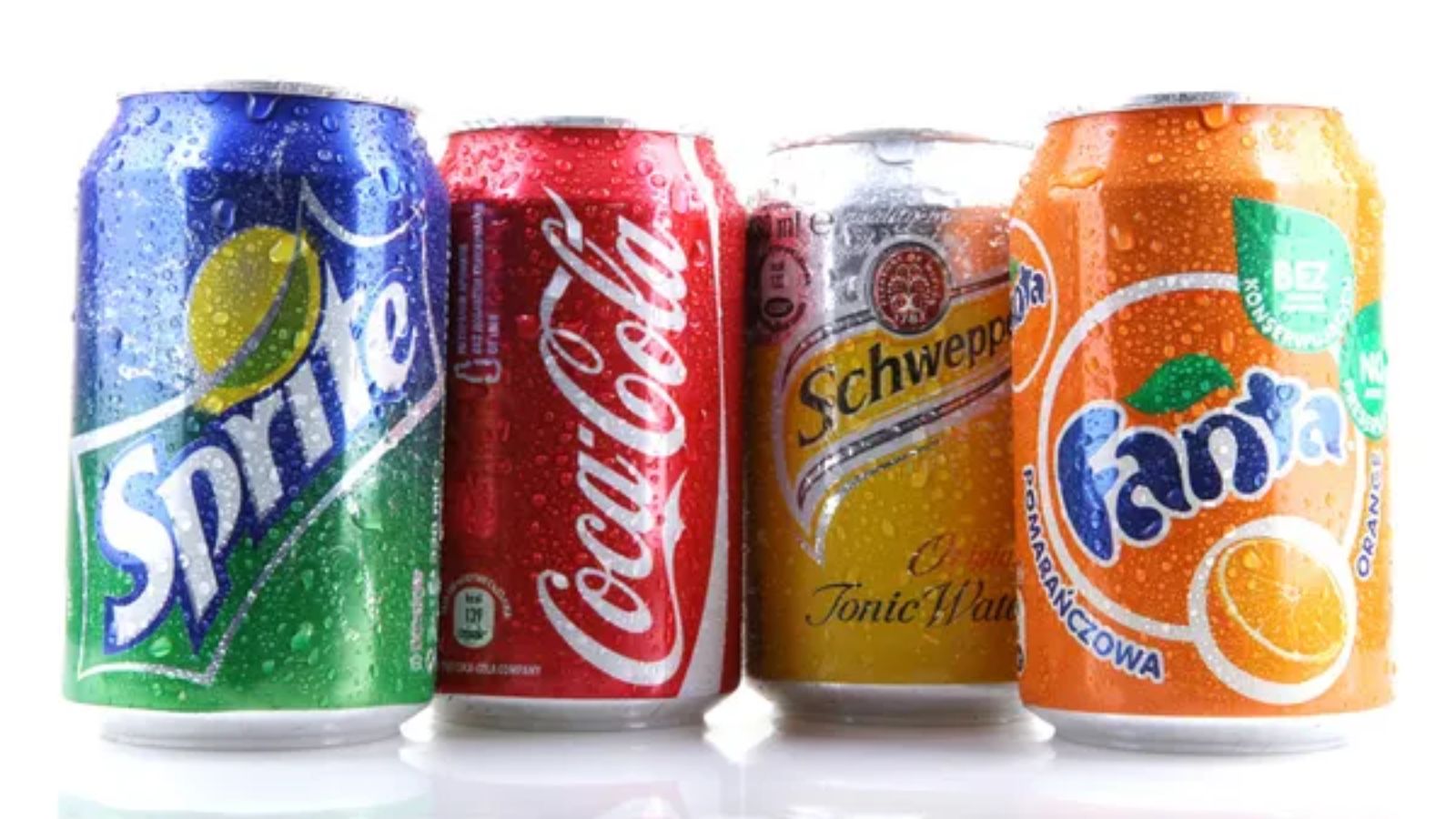
This carbonated beverage is commonly called “soda” in the Northeast and parts of the West Coast, including California. However, head to the Midwest, and it’s predominantly “pop.” Venture into the South, and almost every carbonated drink becomes “Coke,” regardless of brand.
Sub Sandwiches

This elongated sandwich goes by many names. It’s a “sub” in the Northeast, a “hoagie” in Pennsylvania, a “hero” in New York, a “grinder” in New England, and a “po’boy” in New Orleans.
The diversity in naming is partly attributed to the immigrant populations that settled in these regions and the type of bread used.
Sneakers
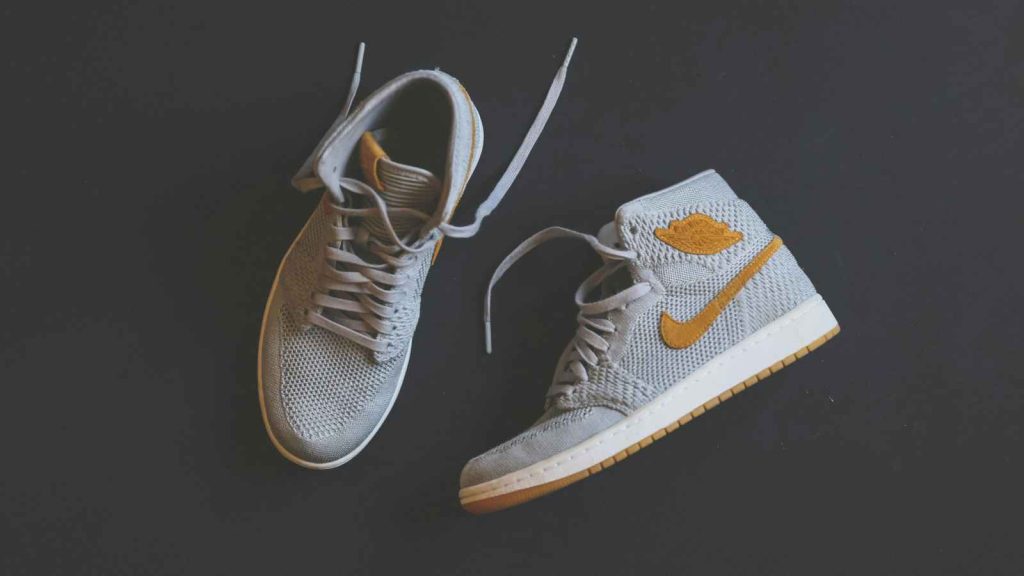
The rubber-soled shoes we all know and love have different names depending on where you live. In the Northeast, they’re called “sneakers,” in the Midwest, they’re known as “tennis shoes.” Down South, you’ll hear them referred to as simply “gym shoes.”
Pancakes

While most Americans agree on the term “pancakes,” in parts of the South, particularly in Georgia and Alabama, you might hear them called “flapjacks” or “hotcakes.” This variation reflects the rich culinary traditions that differ from state to state.
Crawfish

These crustaceans are typically called “crawfish” in Louisiana and parts of the South. However, in other regions, they might be called “crayfish” or “crawdads,” the latter being more common in the Midwest and West.
Water Fountains

A survey conducted on US dialects revealed that the term “bubbler” is prevalent in southern and eastern Wisconsin, as well as in Massachusetts and Rhode Island. Conversely, the expression “drinking fountain” was widely used in the remaining inland north and western regions, with “water fountain” being the favored term in other areas across the country.
Fireflies

These glowing insects seen on summer nights are called “fireflies” by many, but in the South and parts of the Midwest, the term “lightning bugs” is just as likely to be used.
Shopping Carts

As per Harvard’s Dialect Study, most Northern and Western U.S. states opt for “shopping cart,” while Southerners, excluding Floridians, commonly use the term “buggy.” This term reflects the region’s rural and agricultural heritage.
Rain Boots

Across the country, they are commonly referred to as “rain boots.” In New England, you might hear them called “wellies” – a nod to their material. Meanwhile, “galoshes” is a term that’s becoming less common but is still understood by many.
Garage Sale

Depending on where you are, you might go to a “yard sale,” a “garage sale,” or a “tag sale.” “Yard sale” is used throughout most of the country, but “garage sale” is more common in the Southeast. In parts of New England, the term “tag sale” is preferred.
Traffic Circles

Circular intersections known as “traffic circles” or “roundabouts” in most of the U.S. are often called “rotaries” in New England. The term “rotary” is a relic from the early 20th century, when these circular junctions first became prevalent in the region.
Remote Control

What you use to change the channels on your TV might be a “remote control” to many, but in parts of the South and Midwest, it’s simply a “clicker.” This term dates back to the early models of remote controls, which made a distinctive clicking sound.
The variety in regional terminology underscores the rich and diverse cultural fabric of the United States. It reminds us that language transcends mere communication—it mirrors different communities’ history, culture, and identity. Whether it’s a discussion about the correct term for a soft drink or the appropriate word for athletic shoes, these nuances add depth and vibrancy to the American English language.