A trip to the grocery store probably looks a lot different today than it did just a few years ago. As shopping habits change and stores look for new ways to cut costs, speed up service, and keep up with customer demand, some familiar products, services, and features are quietly disappearing.
Many shoppers don’t notice these changes right away. One day a favorite item is harder to find, a service you’ve used for years is gone, or an entire section of the store looks completely different. Some changes are driven by technology, others by shifting consumer preferences, and some simply come down to what sells and what doesn’t.
Whether you welcome these changes or miss the way things used to be, there’s no denying that grocery stores are evolving. Here are 10 things you may not be seeing in grocery stores much longer and what their disappearance could mean for shoppers.
Self-Serve Stations
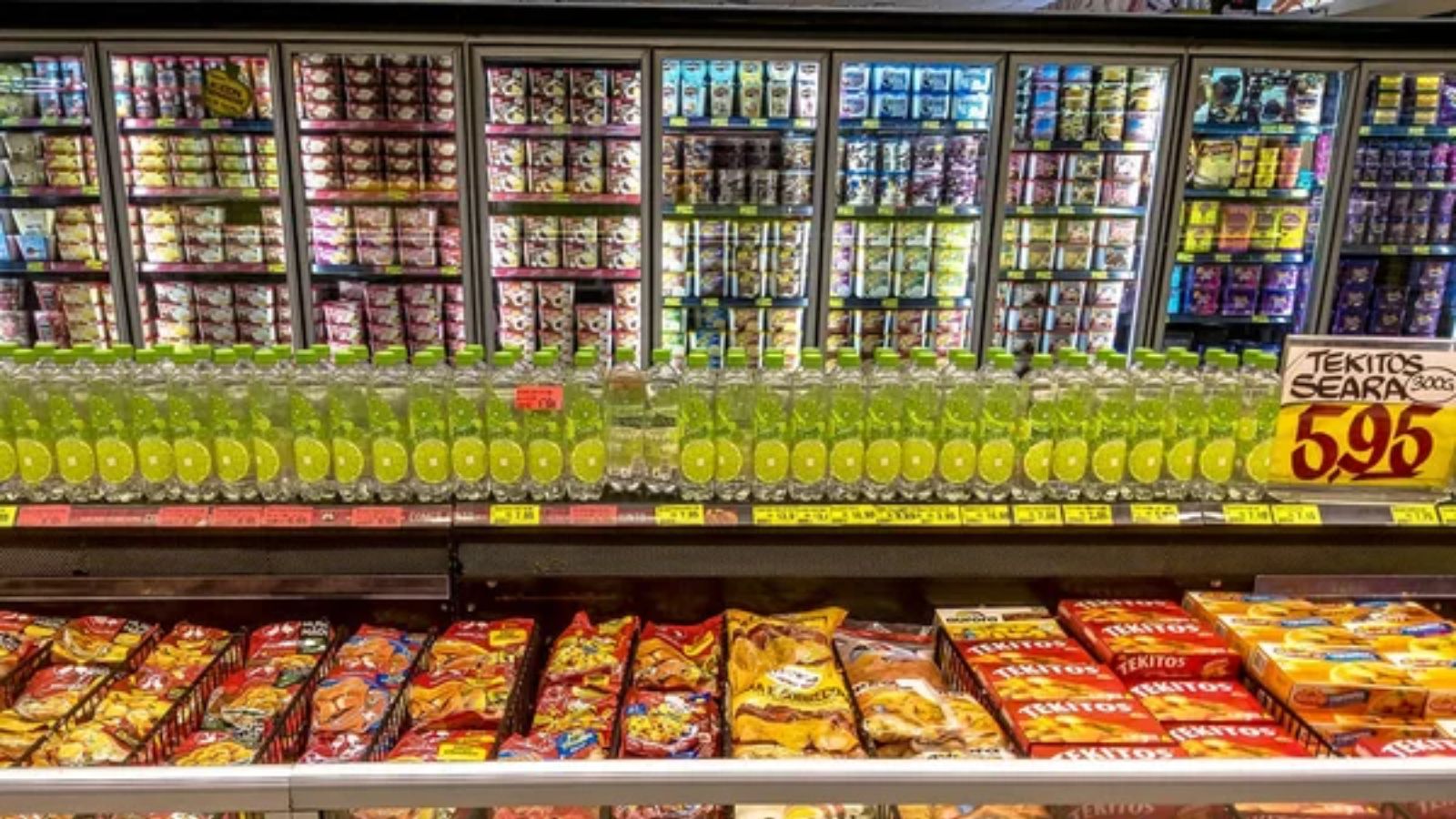
Say farewell to salad bars, olive bars, pickle bars, and other self-serve stations like hot food counters and bulk bins.
With hygiene concerns on the rise, these shared utensil stations are being phased out. But hey, at least now you won’t be tempted to overfill your plate with olives, right?
Unlimited Quantities

Remember when you could grab as many rolls of toilet paper as you wanted? Well, those days are over.
CNN mentions that stores continue to limit high-demand items like toilet paper, paper towels, and cleaning supplies to prevent hoarding and supply chain issues.
24-Hour Service

Are you used to running grocery errands at 3 a.m.? That might be a thing of the past. Many stores cut back on their hours during the pandemic, and it’s unlikely 24-hour operations will return. Stores need time for proper cleaning and restocking when they’re empty.
Odwalla Drinks

Are you missing your favorite Odwalla smoothie? Coca-Cola discontinued the entire Odwalla line of refrigerated smoothies, protein drinks, and premium juices due to changing consumer demands and the high costs of refrigerated distribution.
Reduced-fat/Sugar Products

Brands like Smuckers are reducing production of their reduced-fat and reduced-sugar products as consumer demand shifted towards more indulgent options during the pandemic.
This shift in consumer preferences has led to a reevaluation of product lines. Sorry, diet jams and jellies!
Specialty Produce Varieties
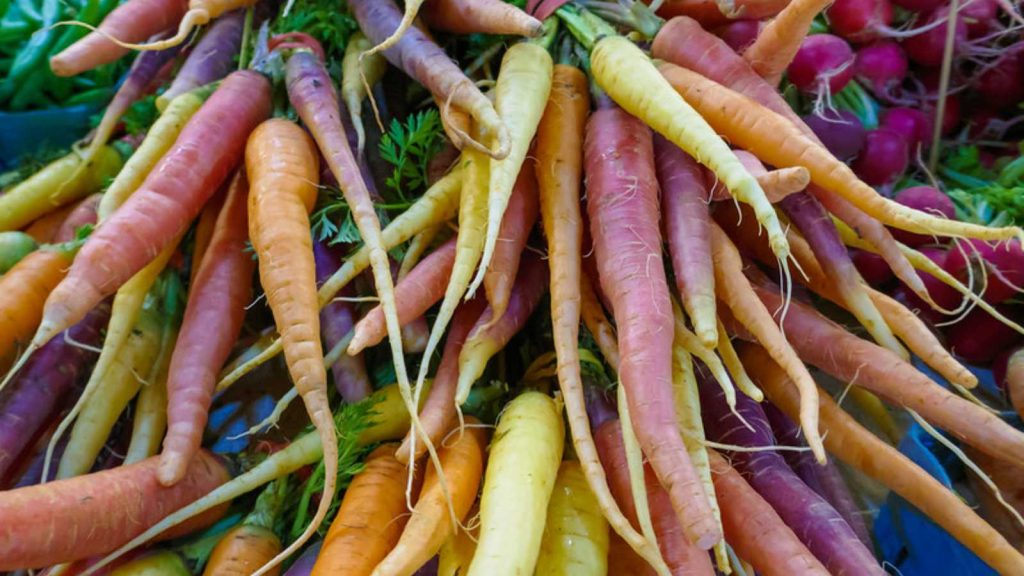
Do you love those rainbow carrots? They might be harder to find. Produce companies like Bolthouse Farms have pared down their specialty baby carrot varieties to focus on core products and simplify their supply chains.
Wheat and Grains
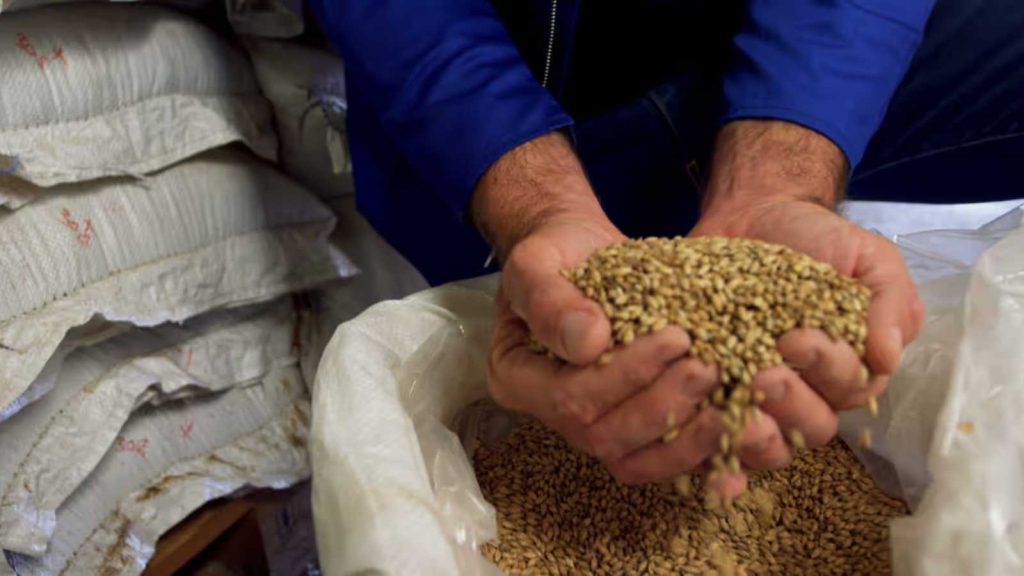
The ongoing war in Ukraine has disrupted global wheat and grain supplies, leading to potential shortages.
This is because Ukraine is one of the world’s largest exporters of wheat and corn, and any disruption in its production can significantly impact global food prices and availability. Expect less variety and possibly higher prices for these staples.
Cooking Oils

The United States Department of Agriculture mentions that vegetable oils like soybean and canola might be in short supply as they are increasingly used for biofuel production.
This shift in usage is due to the growing demand for renewable energy sources, affecting the availability of these oils for food production. Time to explore other cooking oil options!
Champagne

Those New Year’s toasts might get pricier. Extreme weather events have impacted champagne production, leading to smaller crop yields and potential shortages. Cheers to the last bottle!
Rice

Environmental factors like flooding, droughts, and heat waves in major rice-producing regions such as Southeast Asia and South America could lead to a rice shortage. These regions are known for their high rice production, and any disruption in their output can significantly impact global rice supplies and prices.
Changes in grocery stores can be inconvenient, but they also bring opportunities for innovation and trying new things. This is a chance for grocery store staff to shine with their creative solutions. Stay flexible, informed, and ready to adapt, and your grocery shopping experience can still be enjoyable and efficient.
Do you have any shopping hacks to share? We’d love to hear from you in the comments! Your tips and tricks can help others navigate these changes in grocery stores. Happy shopping! 🛒