The vexing fact for many businesses is that millennials aren’t behaving like previous generations. They are giving shape to a market where their unique tastes prevail. A tweet goes viral, and a product’s out. Broadly, with one influencer suggesting a new trend, it’s in. As of 2023, Millennials are the largest adult population in America, and millennial spending habits, in particular, are of great interest to marketers.
Their buying power is undeniable: Put simply, the millennial collective makes $2.5 trillion and is projected to make $4 trillion by 2030. Here are 17 products and services facing extinction, thanks to what we’re calling the “Millennial Effect.” Spoiler alert: even your grandma’s prized fabric softener is not safe!
Cable Television

Cable television used to be the king of home entertainment for decades. But prompted by cost and convenience, if nothing else, millennials around the country are going cordless. But with the rise of services such as Netflix and Hulu, they simply can’t resist the freedom to watch whatever they want, whenever they want, without the commercials.
Why not binge-watch an entire season at your will instead of waiting for your favorite show to air? Traditional cable is losing out on more young people because they prefer the on-demand content, resulting in decreasing subscriptions.
Physical Banking

Think of the days when you had to wait in line at the bank. Long gone! The Millennials have grown quite accustomed to the convenience that is brought about by online banking, which allows us to control our finances while still relaxing at home.
Physical banks are now becoming irrelevant, with the mobile apps offering so many banking services. This is making banks innovate and provide digital solutions to retain their millennial customer base.
Department Stores
The online portal of shopping from the couch has prompted a softening of foot traffic in traditional department stores. E-commerce giants such as Amazon and ASOS see millennials flocking to e-commerce platforms looking for convenience and variety.
The world of department stores seems outdated in the fast world of online shopping, where you can buy clothing and groceries with the click of a button. And as a result, quite a few brick-and-mortar retailers are widening their online presence to keep up.
Fabric Softener

As millennials say goodbye to clutter and look to go green in their laundry habits, they are putting their foot down on softener sales. Some are opting to use only eco-friendly softeners or no softeners at all.
This change has been driven by environmental concerns and to reduce chemical use. Now, brands are back in the race to woo back millennial consumers by pushing more green, multi-purpose products.
Cereal

Cereal used to be a breakfast staple, but no more: Millennials love healthier, on-the-go options. With an overemphasis on nutrition and the proliferation of busy lifestyles, cereal consumption has dropped.
Many are choosing smoothies, yogurt, and protein bars as breakfast. Cereal brands will be brought into adaptation by introducing healthier ingredients and more innovative flavours in order to attract health-conscious millennials.
Landline Phones

Do you remember those good old days when a landline phone was in every household? Millennials don’t. Smartphones that offer an unbounded form of connectivity and versatility have led to the theatricalization of landlines. USA Today states that fewer than one in four Americans now have landlines.
Nowadays, groceries are available at the tap of a screen and dates at the touch of a button, so it’s no surprise millennials are moving to eliminate landlines. Traditional phone service is becoming rarer by the day because of this shift.
Beer

Craft beers and alternative alcoholic beverages are getting popular, and the beer industry is on the verge of change. This generation of adventurous palates is looking for inventive flavors and dining experiences.
Millennials are choosing craft breweries and artisan cocktails instead of large beer brands, and this is putting pressure on them. Major breweries have bought craft beer companies and expanded their beverages to include those that have become popular with changing tastes.
Napkins

Dining has become practical rather than traditional for the millennials. Napkins usually take the back seat when compared to paper towels, as the latter have many advantages.
The change is causing napkin sales to drop as manufacturers have had to innovate with environmentally friendly products that appeal to millennials.
Canned Tuna

It turns out that canned tuna is losing its fan base among millennials, those who value sustainability when purchasing fish, and those who have just acquired a new taste preference. But many are now looking to fresh or plant-based seafood alternatives.
Adaptation by the tuna industry cannot win back the ears and hearts of the millennial audience by selling responsibly caught fish anymore, and it, too, is trying to become eco-friendly while exploring new product offerings.
DVDs and Blu-ray Discs

The streaming aspect is dominating the entertainment story, where physical media formats for entertainment via DVDs and Blu-rays are becoming obsolete. The nice thing for Millennials is that it’s instant access to vast libraries. According to Deloitte’s recent research, 70% of millennials get their entertainment through social media or UGC video sites.
As the pace of this shift continues, it forces traditional media companies to rethink the ways it’s distributing and connecting with audiences in the streaming age.
Analog Watches

While millennials may be reluctant to give up high-tech smartwatches and smartphones, this is making the analog watch increasingly less desirable. Digital devices are also more functional with features of fitness tracking and notifications.
As reported by Market.us Scoop, by 2026, the global smartwatch market revenue is expected to reach $34.2 billion, driven largely by millennial adoption. To compete with both millennial sensibility and timeless elegance, watchmakers are embracing smart elements and craftsmanship in their designs.
Postcards

Sending physical postcards now has less appeal, thanks to social media and instant messaging. They are more likely to share their travel brand experiences through digital channels.
And some companies are figuring out how to adapt — providing digital postcards and personalized printing in exchange for a bit of sentimentalism in an era of digitization.
Traditional Doorbells

Millennials are opting for security and convenience over traditional doorbells. So, traditional doorbells are becoming smart devices. Conventional smart doorbells with cameras have always been in fashion to replace the former ones.
A recent report by Parks Associates states that 30% of U.S. households with broadband internet own smart doorbells. This shift is also a response to millennials’ demand for technology that fits in with their lives, and which gives them peace of mind and enhances home automation.
Ironing

The millennials have turned their backs on ironing and paired casual fashion with wrinkle-free fabrics, making it a thing of the past. Low-maintenance clothing is what many prefer to avoid the ironing board.
In response to this, fashion brands are creating fabrics that need very little in the way of care, due to the growing hipster attitude of today’s millennials.
Golf

Millennials are stepping off the green and away from the game of golf because of their demand for more socially engaging and less time-consuming activities.
Millennials are the demographic that golf courses are trying to attract, and in order to keep them interested, the game has been offered in shorter formats, and technology has been integrated to better the experience.
Engagement Rings

Historically, the traditional diamond engagement ring is beginning to lose its allure to millennials who would prefer alternative jewelry or experiences. Instead of material possessions, many are investing in experiences they’ll find memorable.
Because modern couples want values aligned with the brands that provide them with rings, jewelry brands have adopted customizable options and are pushing to have their sources perceived as ethical.
Bar Soap
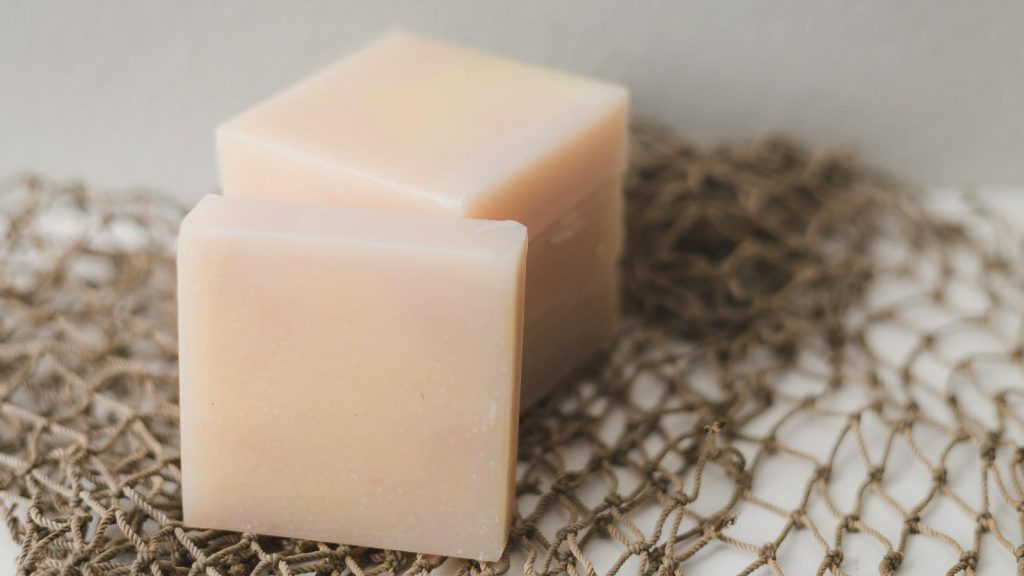
New research from Mintel reveals that bar soap sales are in decline as U.S. consumers banish the bar in favor of the liquid variety. Millennials don’t have time for a bar of soap anymore—liquid soap and body wash are preferred due to convenience and variety.
Eco-friendly packaging is common on liquid products, as are various scents and formulations. To keep up with the times, soap companies are coming up with creative replacements for ingredients and packaging that are respectful of the environment for those who think so, too.