Higher grocery bills, pricier restaurant meals, and rising everyday expenses are making many people rethink where their money goes. Instead of looking for a cheaper version of everything, some shoppers are deciding they can live without certain purchases.
In a recent Reddit discussion, people shared the things they’ve stopped buying in 2026 because the prices no longer seem worth it. Some answers were predictable, like fast food and streaming subscriptions, while others included ordinary groceries and small conveniences that used to feel like routine purchases.
Beef
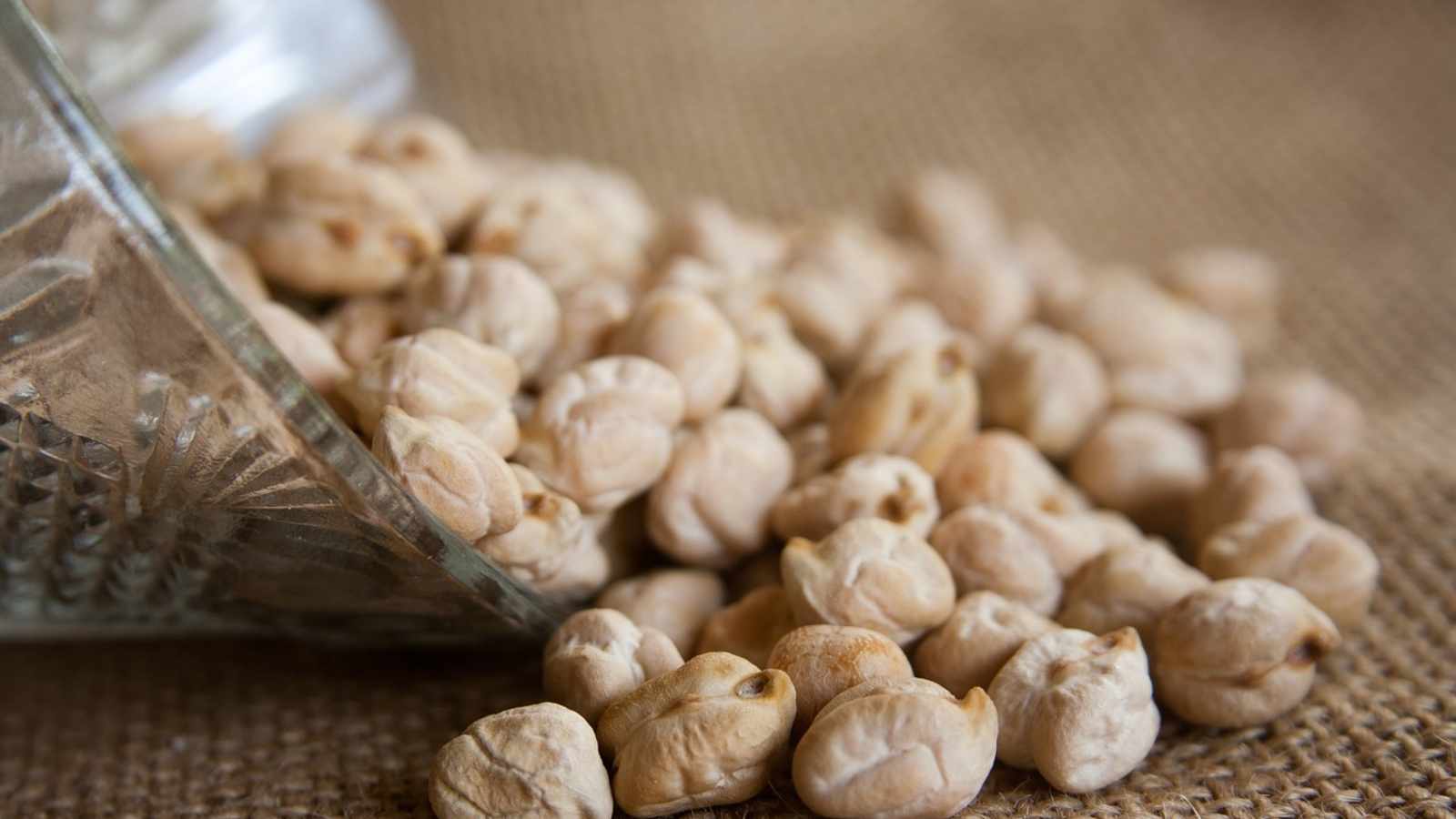
Beef has become harder to justify for shoppers trying to keep their grocery bills down, especially when ground beef and steaks take up a large part of the budget. Chicken, beans, lentils, and meatless meals can make dinner more affordable without giving up variety.
Related: 12 Affordable Alternatives to Fast Food
Fast Food
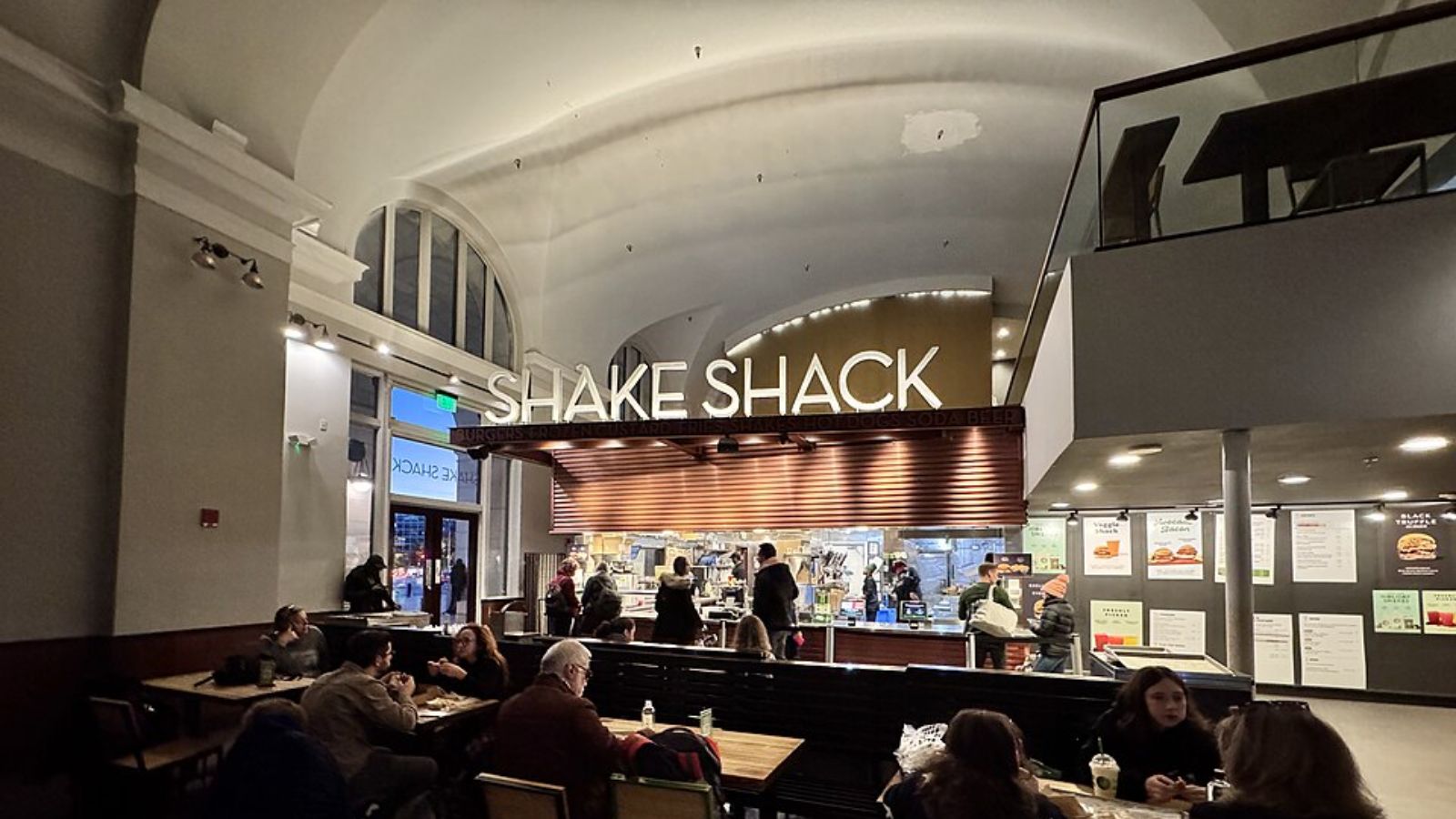
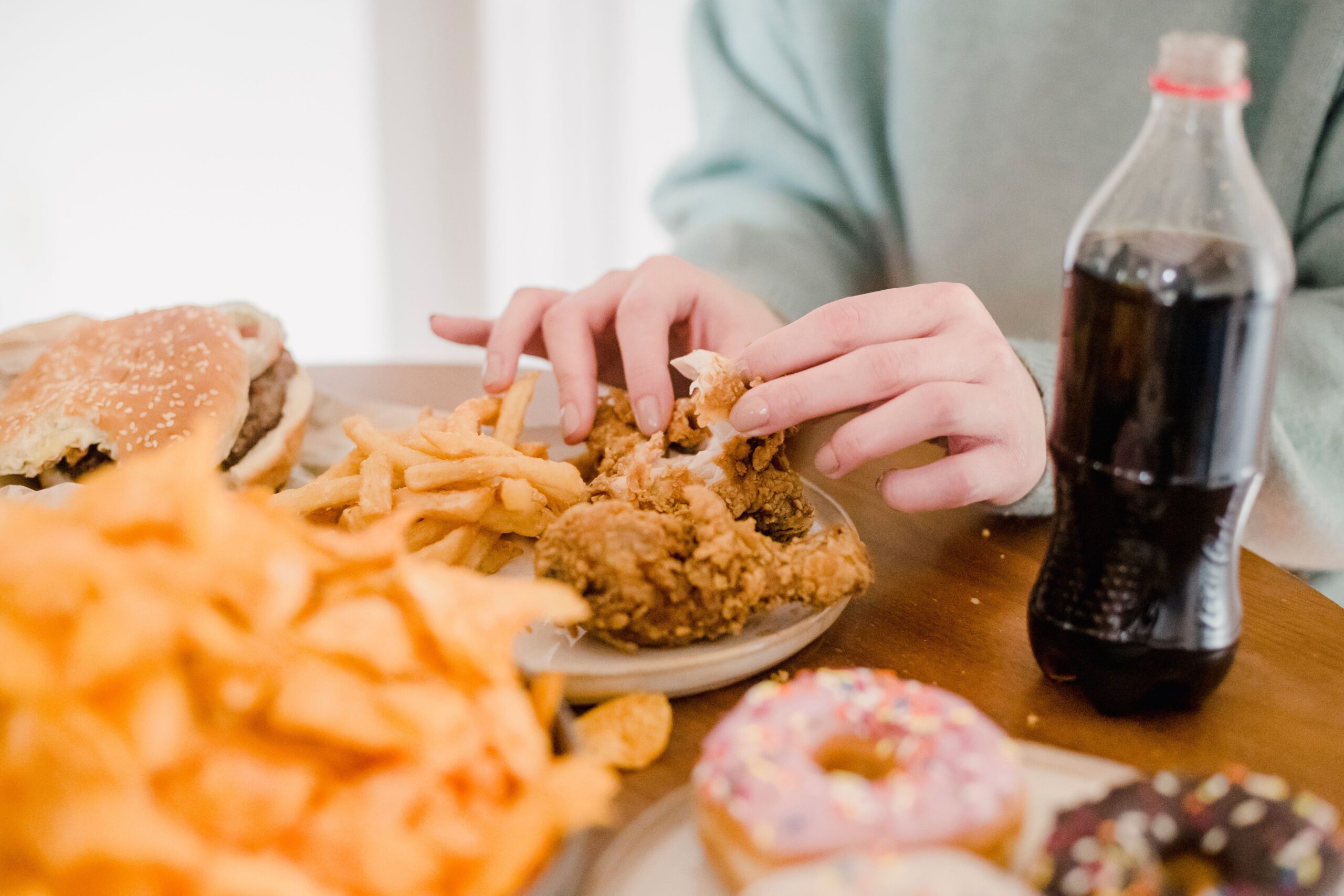
Fast food used to be an easy choice for a quick, inexpensive meal, but the cost of a burger, fries, and a drink can make the convenience feel less worth it. Some people would rather cook at home or spend a little more on a sit-down meal they enjoy.
Related: 13 Junk Foods You Can Easily Make Healthier at Home
Streaming Services
A single streaming subscription might seem affordable, but several monthly bills can add up to a hefty amount over a year. Canceling services you rarely watch or rotating subscriptions instead of paying for all of them at once can free up money each month.
Related: 17 Things That Used to Show Up on Your Doorstep in the ’60s and ’70s
Junk Food
Chips, cookies, and packaged snacks can add more to your grocery bill than you expect, especially when smaller packages cost nearly as much as the larger ones used to. Buying snacks in bulk, making popcorn at home, or choosing affordable fruit can help stretch your grocery budget.
Coffee Drinks
A $4 or $5 coffee may seem harmless on its own, but buying one several times a week can add up to $20 or more. Making coffee at home is an easy way to cut that expense while still enjoying a morning cup.
Related: Things You Can Do With Coffee Filters Besides Brewing Coffee
Eating Out
Restaurant meals, takeout, and food delivery can get expensive once you add menu prices, service fees, and tips. Cooking at home more often and saving restaurant visits for special occasions can make a real difference in monthly spending.
Related: 12 Ways Your Restaurant Order Becomes More Expensive Than Planned
Soda
Soda has become another item some shoppers leave off their grocery lists, especially when a 12-pack costs nearly $10. Tap water, homemade iced tea, and other low-cost drinks can save you money.
Fresh Produce That Goes Bad Quickly
Buying fresh produce can feel wasteful if berries or other delicate fruits spoil before anyone eats them. Frozen fruit and vegetables are often less expensive, last much longer, and work well in smoothies, soups, and everyday meals.
Clothes
Buying new clothes is an easy expense to put off when your closet already holds plenty of options. Wear what you own, shop secondhand, and replace items only when you need them to keep clothing costs down.
Related: Your Clothes Shouldn’t Age You — but These 12 Fashion Mistakes
Entertainment
Concerts, movie nights, sporting events, and evenings out can get expensive once you add tickets, food, drinks, and transportation. Choose free local events, have friends over, or be more selective about paid outings to leave more budget room for other expenses.
Uber and Other Convenience Spending
Ride-hailing, food delivery, paid car washes, and last-minute takeout save time, but they cost money. Picking up your own order, washing the car at home, or making a meal with ingredients already in the kitchen can help reduce those recurring costs.
Related: How Grocery Stores Get Shoppers to Spend More Without Realizing It
Seasonal Decor and Impulse Buys
Seasonal decorations, extra houseplants, and small items picked up on a whim can quietly add up on your bill. Reusing decorations you already own, growing plants from seeds, and waiting for clearance sales can help you enjoy these things without spending as much.
For many people, spending less doesn’t mean giving up everything they enjoy. It can mean looking at familiar purchases, deciding which ones are worth the money, and keeping the rest of the budget for things that matter more.