There’s something satisfying about bringing home a new shirt, pair of jeans, or dress and slipping it on for the first time. The tags are still attached, the fabric looks fresh, and it may have sat neatly on a store rack, but that doesn’t mean it’s been washed.
A Reddit discussion about washing new clothes before wearing them prompted people with experience in clothing factories, distribution centers, and retail stores to share what they’d seen on the job. Their stories reminded everyone that clothes can pass through many hands and places before reaching your closet.
Clothes Go Through a Lot Before Reaching the Store
Before a garment reaches a shop, its fabric is manufactured, stored, cut, sewn, packed, and shipped, giving dust and dirt plenty of chances to collect. One former factory worker described seeing fabric stored in warehouses and handled in bins and on factory floors before it became finished clothing.
Related: 10 Rude Tipping Habits Service Workers Wish Customers Would Finally Stop
Clothing Gets Handled Over and Over Again
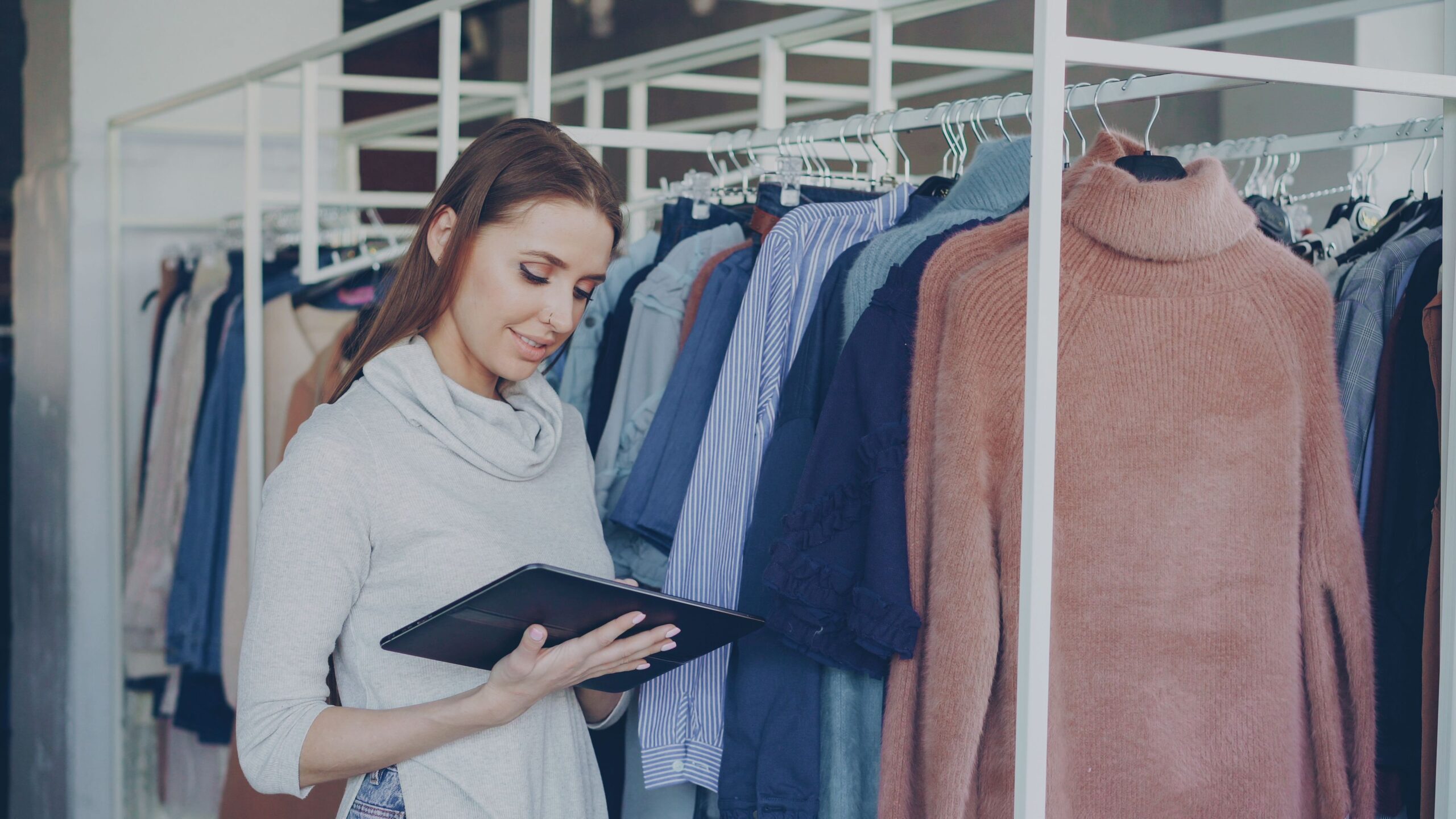
Store employees unpack deliveries, sort merchandise, fold garments, and hang them on racks, and shoppers may pick up the same items throughout the day. Clothes can also fall onto floors or become dirty during storage and transport, so a garment’s neat appearance doesn’t tell the whole story.
Related: 12 Times the KonMari Method Just Doesn’t Work
That Shirt May Have Already Been Tried On Several Times
Clothes on store racks may have been tried on by several shoppers before someone buys them. Makeup, sweat, and other marks can transfer onto garments, and items sometimes end up on fitting-room floors before employees return them to the sales floor.
Related: 14 Common Reasons Why People Don’t Value Hard Work Anymore
Some Fitting-Room Stories Are Especially Gross
Retail workers in the Reddit discussion described finding clothing marked with makeup, mud, sweat, and other stains after customers had tried it on. Some also reported unpleasant discoveries on swimwear and garments left on fitting-room floors, which can make that first wash seem like a sensible precaution.
Related: 10 Best Coffee Shops in Laureles, Medellín for Coffee, Brunch and Remote Work
Returned Clothes Can End Up Back on the Rack
A garment may look untouched even if another customer has already bought it, worn it briefly, or taken it home to try on. If the item is returned and put back out for sale, the next shopper may have no way of knowing it has already left the store.
New Clothes Can Pick Up Dirt During Storage and Shipping
Clothing travels through warehouses, distribution centers, stockrooms, and shipping boxes before it reaches the sales floor, and those places aren’t always spotless. Workers have reported encountering bugs and debris in shipments, making it sensible to check new garments before wearing them and to wash them when the care label allows.
Related: How to Spot Bed Bugs in Thrift Store Finds Before Bringing Them Home
Fabric May Still Have Finishes From Manufacturing
Some fabrics receive finishes or sizing during production to help them keep their shape or make them easier to cut and sew. Washing a garment before wearing it may remove excess dye, dust, and manufacturing residue, though how much depends on the fabric and how it was treated.
New and Thrifted Clothes Have This in Common
Most people expect secondhand clothes to have been handled or worn, so washing them before wearing is a common precaution. Brand-new garments also pass through factories, warehouses, stores, and fitting rooms, and some may have been tried on or returned before reaching another shopper.
Related: How to Clean Thrifted Clothes Before Wearing Them
Wash New Clothes Before Wearing Them
A new garment may have passed through several factories, warehouses, stockrooms, and fitting rooms before you bring it home, so its fresh appearance doesn’t guarantee that it’s clean. For washable items, a trip through the laundry before the first wear can help remove dust, excess dye, and some manufacturing residue, but check the care label first, especially for delicate fabrics or garments that need special cleaning.