Hot water can make a big difference in the laundry room, especially for items that collect sweat, body oils, food residue, and other grime. But using the hottest setting on every load isn’t always the right move. Some fabrics can shrink, fade, or lose their shape when exposed to high temperatures.
For certain household items, though, a warm or hot wash can be a good choice when the care label allows it. The goal is to remove dirt and reduce germs without damaging the fabric.
From towels and sheets to kitchen cloths and pet bedding, these are 12 items that deserve extra attention during laundry day.
Socks
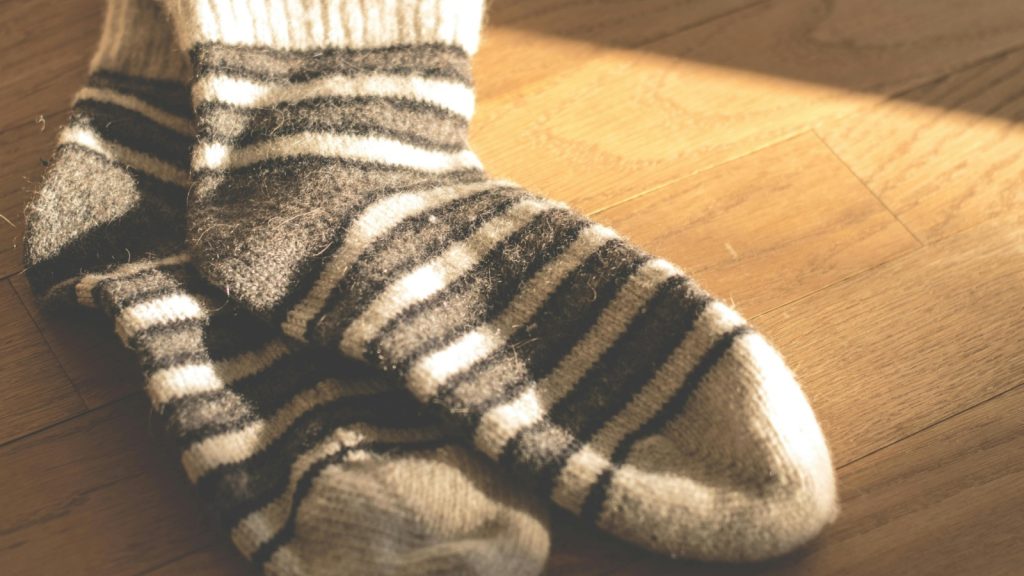
Socks spend hours against your feet, where sweat, skin oils, and bacteria can build up. That combination is a common reason socks develop stubborn odors.
Wash socks according to their care labels, using warm or hot water when the fabric allows it. A good detergent and a complete drying cycle also help keep them fresh.
If your socks are made from delicate materials such as wool, follow the manufacturer’s instructions instead of automatically choosing a hot cycle.
Cloth Diapers
Cloth diapers need thorough washing because they come into contact with urine and feces. A proper wash routine helps remove residue and odors while keeping the diapers ready for another use.
Many cloth-diaper manufacturers recommend a rinse or prewash followed by a full wash with detergent. Water temperature depends on the material and the manufacturer’s instructions, so check the care label before selecting a hot cycle.
Avoid adding products that could leave a residue or irritate a baby’s skin unless they’re recommended for cloth diapers.
Related: 17 Things in Your Apartment That Belong in the Trash
Baby Clothes
Baby clothes can pick up milk, spit-up, food, diaper leaks, and other messes throughout the day. Bibs, burp cloths, pajamas, and bedding may need frequent washing.
For washable fabrics that can tolerate it, a warm or hot cycle can help remove stubborn stains and body fluids. Use a mild detergent if your baby has sensitive skin, and rinse thoroughly.
Always check the garment’s care instructions first, since some baby clothes contain delicate fabrics or elastic that can be damaged by high temperatures.
Reusable Menstrual Products
Reusable cloth pads and period underwear come into direct contact with bodily fluids, so proper cleaning is especially important.
Many products call for rinsing with cold water first to help remove blood, followed by machine washing. Some can handle warm or hot water, while others require cooler temperatures.
Check the manufacturer’s instructions before washing. Following the recommended routine helps keep the material in good condition while giving the product a thorough clean.
Related: 17 Things You Should Never Toss When Decluttering Your Home
Curtains in Damp Areas
Curtains in bathrooms, basements, and other humid areas can collect moisture, dust, and mildew. If they’re washable, regular cleaning can help keep them from developing a musty smell.
Before washing, check the care label. Some curtains can handle warm or hot water, while others may shrink or lose their shape.
If you notice visible mold or persistent mildew, washing the curtain alone may not solve the problem. The source of the moisture also needs attention.
Athletic Wear
Workout clothes collect sweat, skin oils, and odor-causing bacteria during exercise. Tossing damp clothing into a gym bag for hours can make those smells even harder to remove.
A hot wash may work for some durable fabrics, but many modern athletic garments are made from synthetic fibers that require cooler temperatures. Follow the care label rather than assuming hotter is always better.
Wash sweaty workout clothes soon after exercising and let them dry completely before putting them away.
Related: 15 Everyday Things Covered in More Germs Than You Think
Pet Bedding
Pet beds can collect fur, dander, dirt, saliva, and other debris. If your pet spends a lot of time outdoors, the bedding may also pick up additional dirt and allergens.
Wash removable covers and washable bedding according to their care instructions. A warm or hot cycle may be appropriate for some materials.
Vacuuming or shaking off loose fur before washing can also help keep the washing machine from filling with hair.
Cleaning Rags
Cleaning cloths can pick up grease, food residue, bacteria, and cleaning chemicals. Throwing them into a regular clothing load can spread dirt and odors to other fabrics.
Wash cleaning rags separately from clothing and use the hottest temperature permitted by the fabric. A complete wash and thorough drying cycle can help remove residue.
Don’t mix heavily soiled rags with towels, underwear, or other personal laundry.
Kitchen Towels and Dishcloths
Kitchen towels and dishcloths see plenty of action. They wipe counters, dry dishes, clean spills, and may come into contact with raw meat juices.
Because they stay damp for long periods, they can develop unpleasant odors and collect bacteria. Wash them frequently, particularly after they’ve been used to clean up raw food spills.
For cotton towels that can tolerate higher temperatures, a hot wash with detergent can help remove grease and residue. Let them dry fully before using them again.
Bed Sheets and Pillowcases
Sheets and pillowcases collect sweat, body oils, dead skin cells, and dust. If you have allergies, keeping bedding clean can also help reduce exposure to dust and other irritants.
Many cotton sheets can be washed in warm or hot water, but always check the label first. Wash bedding regularly and dry it completely before putting it back on the bed.
If you have sensitive skin, a fragrance-free detergent may be a better choice than heavily scented laundry products.
Towels
Bath towels stay damp after use, creating a good environment for odors and microbial growth. Tossing a damp towel onto the floor or leaving it bunched up can make the problem worse.
Wash towels according to the manufacturer’s instructions, using warm or hot water if the material allows it. Avoid overloading the washer so water and detergent can move freely through the load.
Dry towels completely after washing. If they develop a persistent musty smell, washing them promptly and making sure they’re fully dry can help.
Related: 10 Common Things Around Your House That Need a Good Cleaning
Underwear
Underwear comes into close contact with the body throughout the day, so regular washing is a basic part of personal hygiene.
Cotton underwear can often handle warm or hot water, while synthetic or delicate fabrics may require cooler temperatures. Check the care label before choosing a cycle.
A regular wash with detergent is usually enough. There’s generally no need to soak underwear in harsh disinfectants, which can damage fabric and irritate the skin.
Hot Water Isn’t Always the Best Choice
Hot water has its place in the laundry room, but hotter doesn’t automatically mean cleaner. High temperatures can damage elastic, shrink natural fibers, fade colors, and shorten the life of some fabrics.
The care label should be your first guide. For heavily soiled household items that can handle higher temperatures, a hot wash can be useful. For delicate fabrics and technical clothing, a cooler cycle may be the better option.
Good laundry habits also matter: don’t overload the washer, use the right amount of detergent, wash heavily soiled items separately, and dry everything thoroughly before storing it.