Goodwill stores receive millions of donated clothing items every year, ranging from barely worn designer pieces to everyday basics that have been sitting in someone’s closet for years. For many thrift shoppers, finding a great deal is part of the fun, but there’s one question that often comes up once you start browsing the racks: Were these clothes actually washed before they were put out for sale?
It’s a reasonable thing to wonder. After all, donated clothing comes from countless different households, and not every item arrives freshly laundered. Yet despite what many shoppers assume, the answer may surprise you.
The reality is that Goodwill does not wash donated clothing before placing it on the sales floor. Instead, the organization relies on a sorting and inspection process designed to move large volumes of donations through its stores quickly and efficiently.
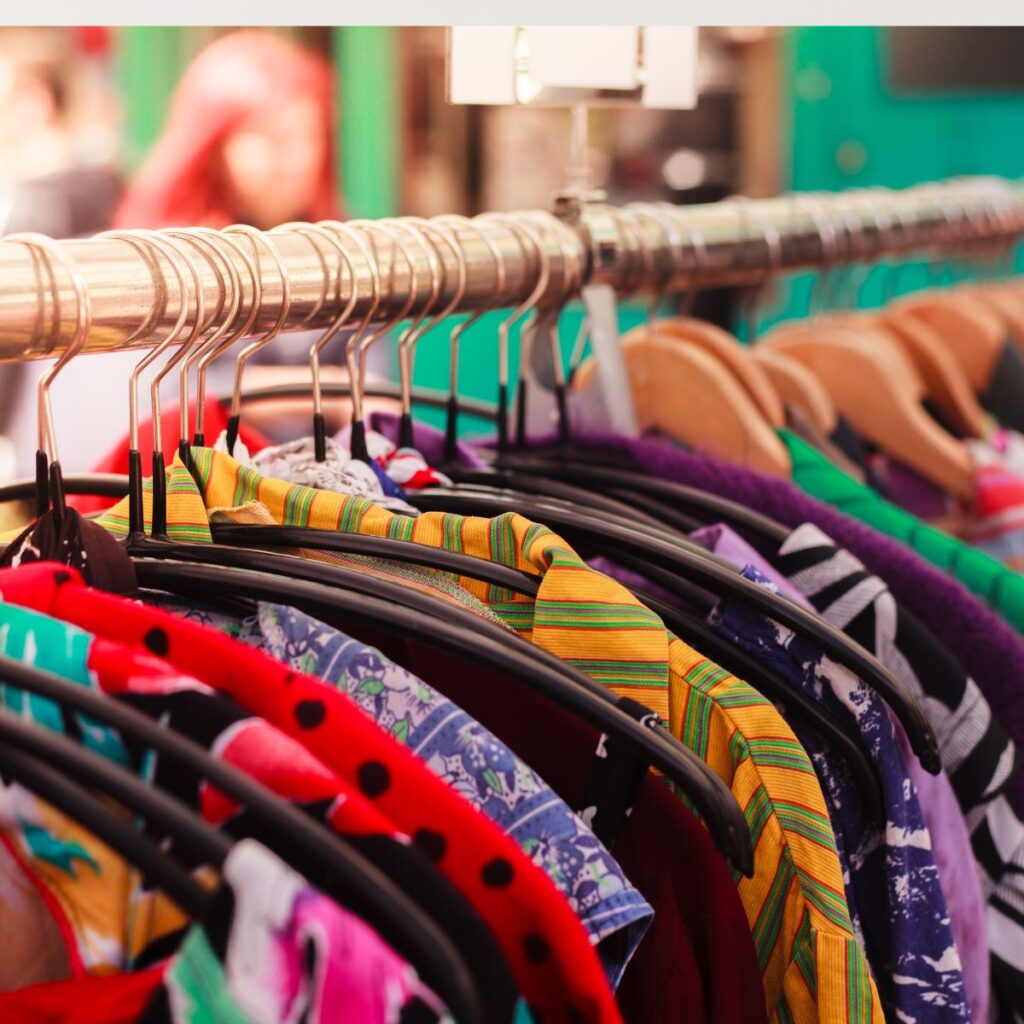
What Happens After Clothes Are Donated?
When bags or boxes of clothing arrive at a Goodwill donation center, employees begin by sorting through the items. The goal is to identify anything that can be sold, recycled, or discarded.
Workers typically inspect clothing for obvious problems such as:
- Heavy stains
- Tears or significant damage
- Strong odors
- Mold or contamination
- Excessive wear
Items that fail inspection are usually removed from the resale stream. Depending on the condition, they may be recycled as textiles or disposed of. Clothing that appears clean and sellable is then sorted, priced, tagged, and prepared for the sales floor.
What doesn’t happen during this process is laundering. There are no washing machines running behind the scenes and no dry-cleaning operation preparing garments for display.
Why Goodwill Doesn’t Wash Donations
Many Goodwill locations process thousands of donated items every week. Washing every shirt, pair of jeans, jacket, and sweater would require enormous amounts of water, detergent, equipment, labor, and storage space.
Adding a full laundry operation would dramatically increase operating costs and slow down the donation process. Instead, Goodwill focuses on inspecting items for obvious issues and moving inventory through stores as efficiently as possible.
Simply put, the volume of donations makes washing every item impractical.
Is This Unique to Goodwill?
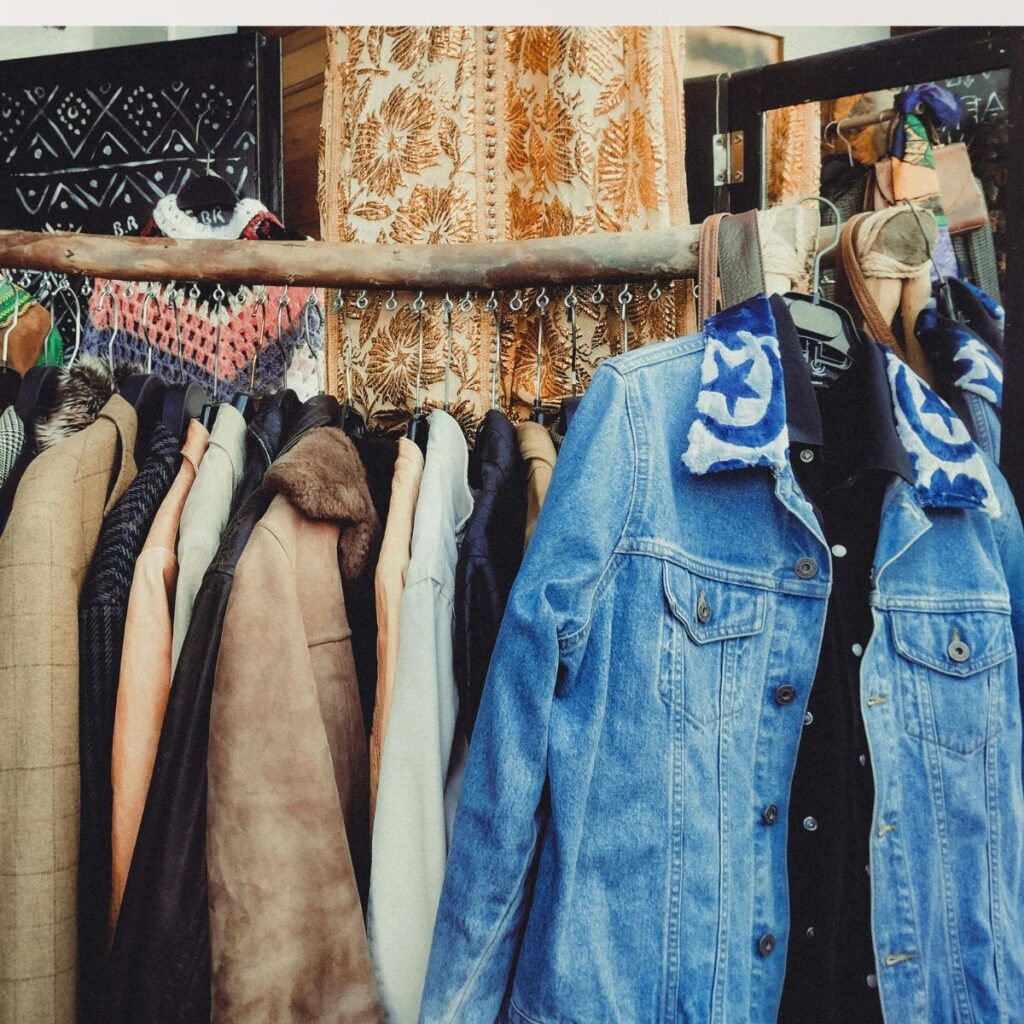
Not at all. Most large thrift chains operate in much the same way. Organizations such as The Salvation Army and stores operated by Savers generally focus on sorting, inspecting, and reselling donated goods rather than washing them.
While some specialty resale boutiques, vintage shops, and consignment stores may clean certain items before offering them for sale, that’s the exception rather than the rule in the thrift industry.
For most secondhand clothing purchases, shoppers should assume the item has not been freshly laundered.
What Thrift Shoppers Should Do Before Wearing Purchases
Because donated clothing typically goes straight from donor to sales floor, washing items before wearing them is always a good idea.
Many experienced thrift shoppers routinely:
- Wash clothing immediately after purchase
- Use stain removers on problem spots
- Steam or sanitize delicate garments
- Dry-clean items that require special care
- Clean accessories such as hats, scarves, and handbags when appropriate
Taking these extra steps helps remove dust, odors, allergens, and anything else that may have accumulated before the item reached the store.