
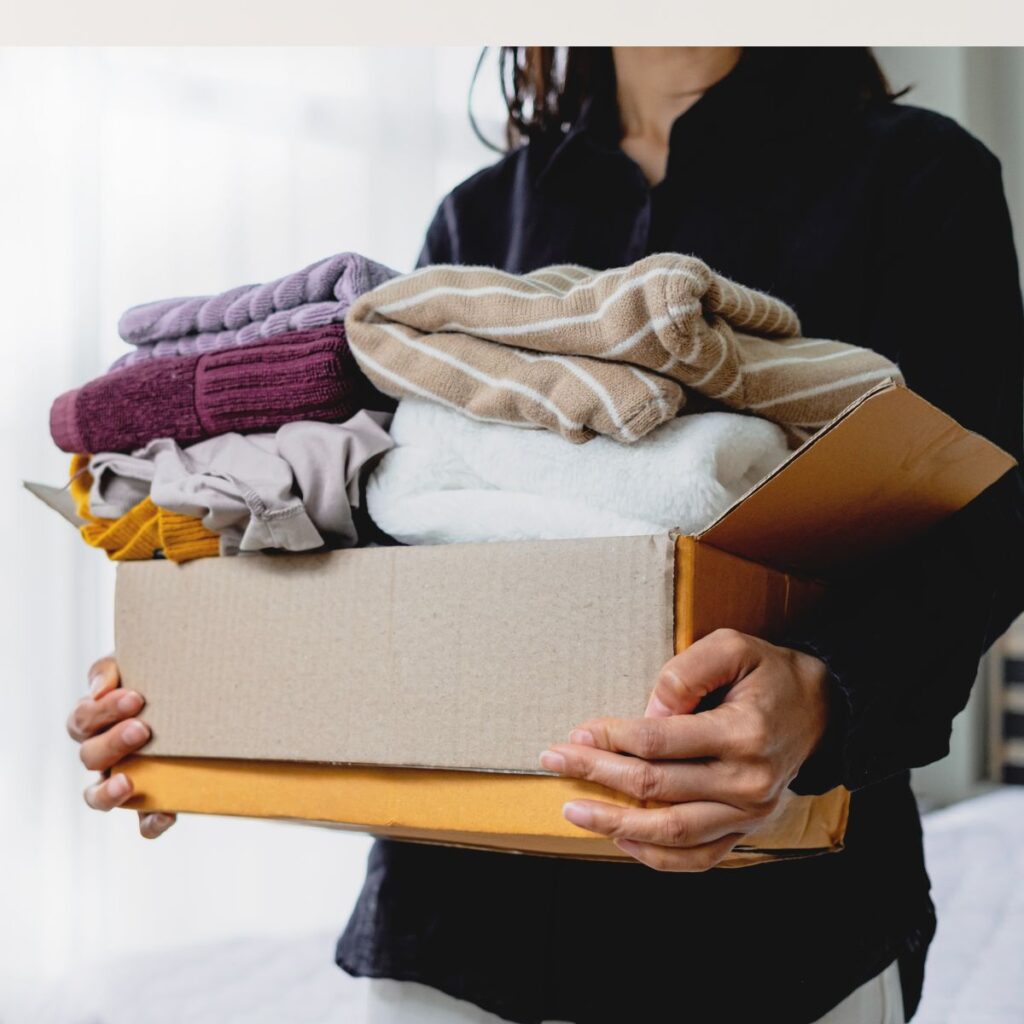
Most people mean well when they load up a donation box. The thinking is usually simple: I don’t need this anymore, so maybe someone else can use it. But thrift stores don’t automatically accept everything people drop off, and some donations actually create more problems than help.
Over the years, many thrift stores have tightened their donation rules because certain items are difficult to clean, unsafe to resell, expensive to dispose of, or nearly impossible to move off the sales floor. In some cases, stores end up paying to haul unwanted items away themselves.
If you’re decluttering, knowing what thrift stores usually don’t want can save everyone time and frustration. Here are some of the items donation workers wish people would stop bringing in.
Wet, Moldy, or Mildewed Donations
Anything damp or musty is almost guaranteed to be rejected. Mold and mildew spread quickly and can ruin nearby donations before workers even realize there’s a problem.
Even slightly damp boxes can create major issues inside donation centers.
Related: 18 Signs Your House Is Filled with Hidden Mold
Broken or Heavily Damaged Items
A surprising number of people donate things that are broken, stained, ripped, rusted, or missing pieces. While thrift stores expect normal wear, they are not repair centers or dumping grounds for unusable items.
If something is no longer functional or presentable, it’s usually better to recycle or dispose of it properly instead.
Mattresses, Pillows, and Used Bedding
Most thrift stores will not accept mattresses, mattress toppers, pillows, or heavily used bedding. Hygiene concerns, allergens, odors, stains, and the possibility of bed bugs make these items difficult and risky to resell.
Even bedding that looks clean may still be rejected because many stores simply don’t have the ability to sanitize it properly.
Old Baby Gear and Children’s Safety Items
Cribs, car seats, walkers, bassinets, and highchairs are some of the most commonly refused donations. Safety standards change constantly, and stores have no reliable way to confirm whether an item has been recalled, damaged, or expired.
Because of the liability involved, many thrift stores avoid these items entirely.
Opened Makeup and Personal Care Products
Used cosmetics, skincare products, lotions, and perfumes are typically not accepted due to hygiene concerns. Once a product has been opened, there’s no way for stores to guarantee it’s still safe to use.
Most locations only accept sealed, unused products if they take personal care items at all.
Medical Equipment
Wheelchairs, walkers, crutches, braces, and similar medical items are often declined because of liability concerns. Many of these products require inspections, adjustments, or safety checks before being reused.
Some communities have specialized donation programs for medical equipment instead.
Hazardous or Flammable Materials
Paint, propane tanks, gasoline containers, fireworks, chemicals, and similar items should never be donated. These products create serious safety risks for employees and shoppers.
Some donation centers have even been temporarily evacuated after suspicious or dangerous items were dropped off.
Firearms, Ammunition, and Weapon-Like Items
Real weapons are strictly prohibited, but even realistic replicas or novelty items can cause problems. Donation workers often cannot immediately tell whether an item is dangerous.
Anything that resembles a weapon can create unnecessary panic and safety concerns.
Large Appliances and Older Electronics
Refrigerators, stoves, washers, dryers, and older televisions are commonly refused. These items are expensive to move, difficult to test, and often subject to recycling regulations.
Older electronics also tend to sit unsold for long periods because demand is much lower than it used to be.
Food and Beverages
Even unopened food usually isn’t accepted by thrift stores. Storage requirements, expiration dates, and contamination concerns make food donations difficult to handle in resale environments.
Food banks and local pantries are usually a much better option.
Construction Materials and Remodeling Leftovers
Loose tile, carpet scraps, plumbing fixtures, blinds, rods, and leftover renovation materials are not especially useful to most thrift stores. These items are difficult to organize and often appeal to a very limited number of shoppers.
Many donation centers simply don’t have room for bulky building materials.
Encyclopedias, Magazines, and Old Print Collections
Large encyclopedia sets, outdated textbooks, and stacks of magazines are among the hardest items to sell at thrift stores today. Most shoppers simply aren’t looking for them anymore.