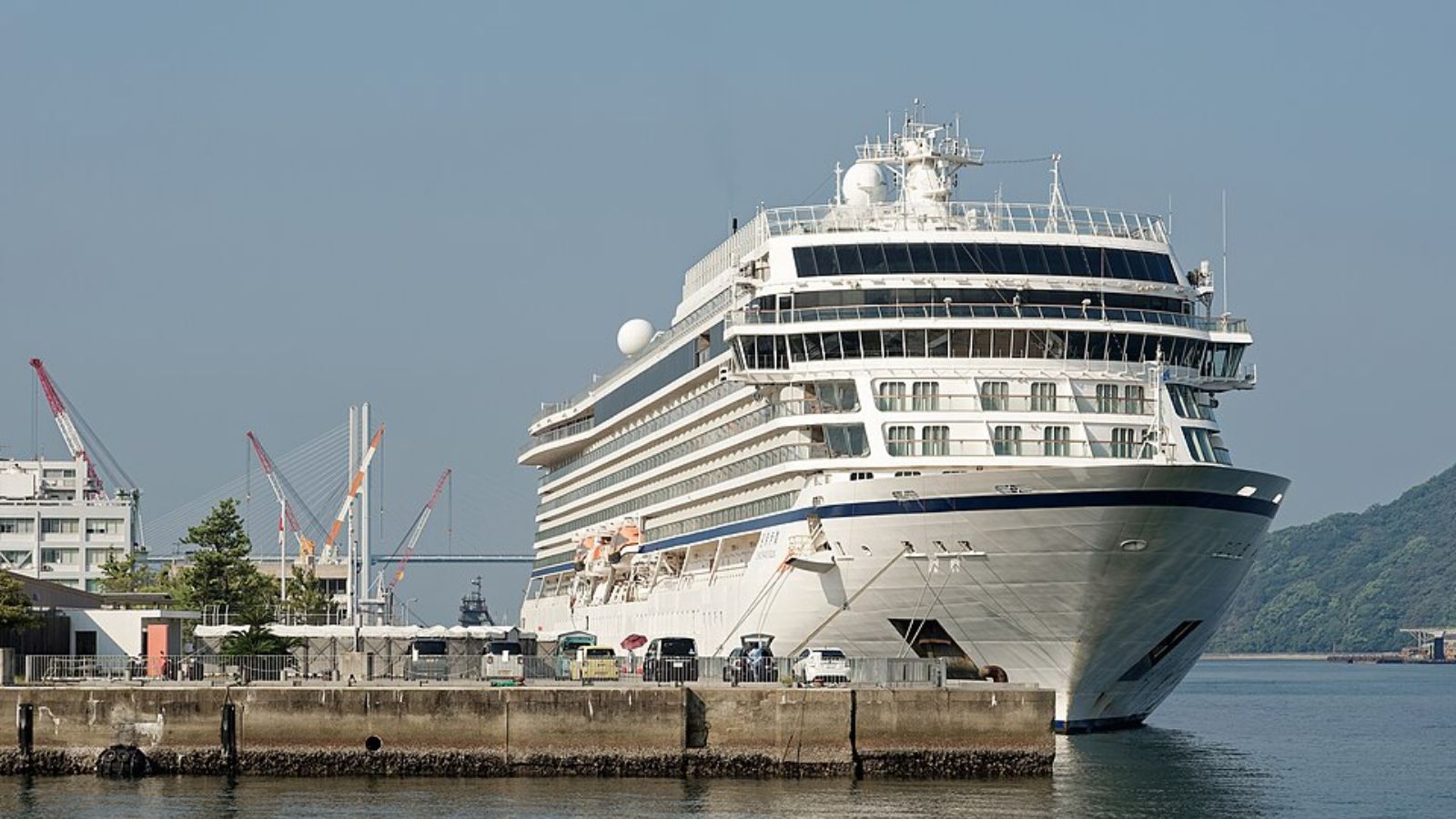
Cruising has never been more popular. In 2023, more than 31 million people set sail, breaking previous passenger records. With hundreds of ships sailing to destinations across the globe, travelers can choose from budget-friendly getaways, luxury voyages, family vacations, and adults-only escapes.
A cruise bundles transportation, accommodations, meals, entertainment, and countless activities into one vacation, which explains why so many people return year after year. Still, you’ll always hear the same complaints from people who either had one bad experience or have never stepped aboard a ship at all.
While no vacation is perfect, many of these common criticisms leave experienced cruisers rolling their eyes. Here’s a closer look at 15 cruise complaints that refuse to disappear, and a few tips for making your next sailing even better.
“The Ports Are Always Overcrowded.”
Popular destinations attract crowds, whether you’re visiting a cruise port, a famous beach, or a major city. Busy ports are often a sign that you’re visiting places people genuinely want to see.
You don’t have to spend the entire day in the busiest areas. Booking an early excursion, choosing a small-group tour, or visiting attractions farther from the main terminal can make a big difference. Many cruise apps also let you plan your day around peak boarding and dining times, helping you avoid long lines back on the ship.
“Cruises Are Too Expensive.”
At first glance, cruise fares can seem expensive. Once you compare them with a traditional vacation, the value becomes much easier to see.
Your fare usually includes your cabin, meals, entertainment, transportation between destinations, pools, fitness centers, live shows, and plenty of onboard activities. Paying separately for those expenses during a land vacation can easily cost much more.
If you’re hoping to save money, keep an eye on seasonal promotions, book well in advance, or watch for last-minute discounts. Skipping specialty dining and expensive drink packages can also help keep your budget under control without taking away from the experience.
“I Get Seasick.”
Many first-time cruisers worry about motion sickness, but modern cruise ships are much more stable than many people expect. Unless the weather becomes unusually rough, most passengers experience little or no discomfort.
If you’re concerned, choose a cabin near the middle of the ship on a lower deck, where movement is usually less noticeable. Motion sickness medication, pressure-point wristbands, drinking plenty of water, and eating light meals can also help keep nausea under control.
For many people, the fear of seasickness ends up being much worse than the reality.
“The Food Isn’t Good.”
Food is one of the highlights for many cruise passengers. While every meal won’t feel like dining at a five-star restaurant, most ships offer far more variety than many people expect.
You’ll usually find buffets, main dining rooms, casual cafés, specialty restaurants, and menus featuring dishes from around the world. Some cruise lines also host themed dinners and local cuisine inspired by the regions they’re visiting.
Instead of eating in the same restaurant every day, try different venues throughout the trip. If you have dietary restrictions or food allergies, let the staff know, they’re often happy to accommodate special requests whenever possible.
“The Wi-Fi Is Slow and Costs Too Much.”
Internet access at sea has improved over the years, but it’s still different from using your home connection. Ships rely on satellite systems, which makes fast, unlimited service more expensive than many travelers expect.
If staying connected matters, compare internet packages before your cruise and purchase one ahead of time if it offers a discount. Some cruise lines now provide much faster service than they did just a few years ago.
Many seasoned cruisers actually see limited internet access as part of the vacation. Instead of scrolling through social media, they spend more time enjoying the ship, meeting new people, or simply relaxing without constant notifications.
“There’s Nothing to Do.”
Anyone who says cruises are boring probably hasn’t looked at the daily schedule. Most ships offer activities from early morning until well past midnight, giving passengers plenty of ways to fill each day.
You might spend the morning at a cooking demonstration, join a trivia contest after lunch, watch a Broadway-style production in the evening, and finish the night with live music or comedy. Many newer ships also feature water parks, rock-climbing walls, surf simulators, escape rooms, laser tag, and other attractions.
If you prefer a quieter vacation, that’s an option too. Reading by the pool, visiting the spa, or watching the ocean from a lounge chair can be just as enjoyable.
“It Doesn’t Look Like the Pictures.”
Vacation brochures and advertisements are meant to show destinations and ships at their very best. Professional photographers carefully choose the lighting, weather, and camera angles, just as people do when posting vacation photos online.
Rather than relying only on promotional images, look for recent reviews, passenger photos, and cruise videos from travelers who have sailed on the same ship. They often provide a much more realistic idea of what to expect.
Many cruisers also discover that the best memories aren’t the ones featured in advertisements. It’s often the unexpected moments, a beautiful sunset, a friendly crew member, or an unforgettable shore excursion, that become the highlights of the trip.
“There Are Too Many Hidden Fees.”
Extra charges are one of the most common cruise complaints, but many of these costs are disclosed before you book. Gratuities, specialty dining, alcoholic beverages, shore excursions, spa treatments, and internet packages are usually optional rather than mandatory.
Reading the fare details before booking helps avoid surprises later. Many cruise lines also offer packages that bundle drinks, Wi-Fi, or gratuities into one price, making it easier to stick to a budget.
Planning ahead allows you to decide which extras are worth paying for and which ones you can happily skip.
“My Luggage Got Lost.”
Few things create vacation stress faster than missing luggage, but permanent luggage losses on cruises are uncommon. In most cases, delayed bags are located and delivered within a short time.
Packing medications, travel documents, valuables, chargers, and one change of clothes in your carry-on gives you peace of mind while your checked luggage makes its way to your cabin.
Double-check that your cruise luggage tags are attached securely before arriving at the terminal. Those tags help crew members deliver bags to the correct stateroom as quickly as possible.
“The Cabins Are Too Small.”
Cruise cabins aren’t meant to feel like hotel suites. They’re built to make the most of every square foot, giving passengers a comfortable place to sleep, shower, and relax between activities.
Most travelers spend surprisingly little time in their rooms. Between shore excursions, meals, entertainment, pools, and shows, the cabin often becomes a place to recharge rather than the center of the vacation.
A few simple packing tricks can make the space feel much larger. Packing cubes, storing suitcases under the bed, and keeping countertops clear help reduce clutter. Travelers who want extra room can also book balcony cabins or suites, which offer more living space and private outdoor seating.
“Cruises Are Bad for the Environment.”
Cruise ships have often been criticized for their environmental impact, and it’s true that the industry still has work to do. At the same time, many cruise lines have invested heavily in cleaner technologies, better wastewater treatment systems, and fuels that produce fewer emissions.
Passengers can also make choices that reduce their own impact. Bringing a reusable water bottle, avoiding single-use plastics, and booking excursions with local operators that support conservation efforts are all simple ways to travel more responsibly.
While cruising isn’t without environmental concerns, many companies are working to reduce their footprint as new technology becomes available.
“There’s No Privacy.”
Cruise ships are built around shared experiences, so you’ll naturally spend time around other passengers. Pools, restaurants, theaters, and deck parties are part of what many people enjoy about cruising.
That doesn’t mean you’re surrounded by crowds every minute of the day. Most ships have quieter spaces where you can relax with a book, enjoy the view, or simply spend time away from the busiest areas.
Many cruise lines also offer adults-only decks, private lounges, and suite-only spaces for travelers looking for a little more peace and quiet.
“Cruises Are Just for Older People.”
That stereotype hasn’t matched reality for quite some time. Today’s cruise ships welcome families with young children, couples, solo travelers, retirees, and groups of friends, often all on the same sailing.
You’ll find everything from water slides and zip lines to comedy clubs, live concerts, sports courts, and late-night entertainment. Some cruise lines even cater almost entirely to adults, offering trendy restaurants, beach clubs, and nightlife that appeal to younger travelers.
Whether you’re looking for a quiet escape or an action-packed vacation, there’s probably a cruise that fits your style.
“Cruises Aren’t Safe.”
Like flying, staying in a hotel, or taking a road trip, cruising comes with some level of risk. The good news is that major cruise lines follow strict safety regulations and regularly conduct emergency drills for both passengers and crew.
One of the first things you’ll do after boarding is complete a mandatory safety briefing, which explains emergency procedures and where to go if assistance is ever needed.
Choosing a well-established cruise line, following crew instructions, and taking a few minutes to learn the ship’s layout can help you feel much more comfortable throughout your trip.
“I Never Sleep Well on a Cruise.”
Sleeping on a moving ship isn’t the same as sleeping at home, especially if your cabin is close to busy entertainment venues or public areas. Some passengers also need a night or two to get used to the gentle movement of the ship.
Booking a cabin near the middle of the ship often reduces motion, while choosing a room away from elevators, theaters, and nightclubs can help cut down on noise.
Packing earplugs, using a white noise app, and adjusting the cabin temperature to your liking can also make a big difference. Once they settle into the rhythm of the ship, many cruisers find they sleep surprisingly well with the gentle rocking of the ocean.