Dealing with a dog that keeps peeing indoors can test even the most patient pet owner. Before getting frustrated, it helps to figure out why the accidents are happening. A puppy may still be learning, while an older dog could be dealing with a medical problem, stress, changes in routine, or another issue.
House training takes time, repetition, and plenty of praise. Punishing accidents usually creates more stress without teaching your dog where they should go. With a consistent routine and close supervision, most dogs can learn better bathroom habits.
Here are 18 practical ways to help stop your dog from peeing indoors.
Use Positive Reinforcement
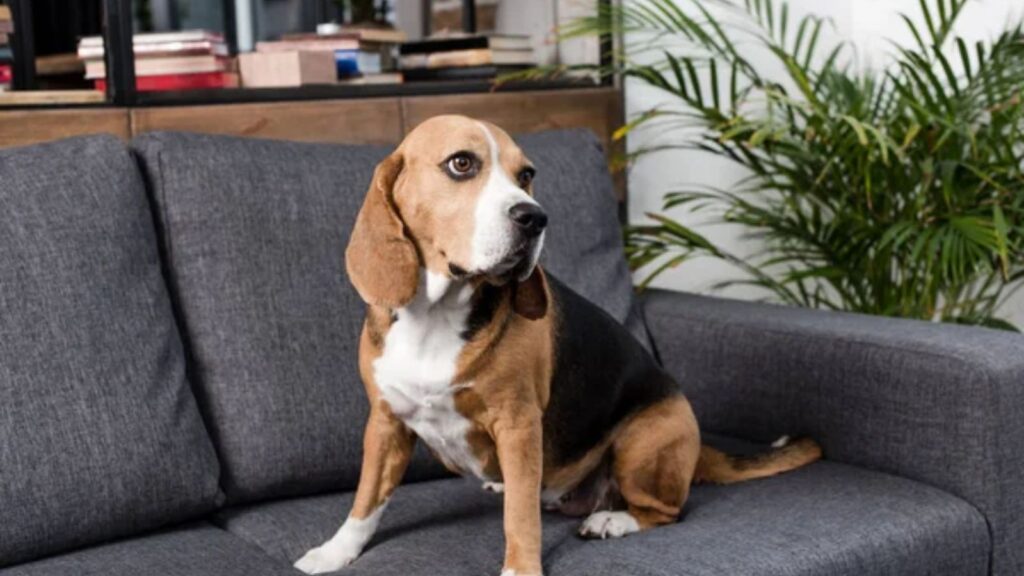
Dogs respond well to praise and rewards, especially when they are learning a new habit. Each time your dog pees outside, give them plenty of praise and a small treat right afterward.
Timing matters. Your dog should connect the reward with going outside, rather than with something that happens several minutes later. Take them out after meals, naps, playtime, and whenever you notice signs that they need to go.
Keeping the routine upbeat can make potty training much easier for both of you.
Related: The 12 Best Guard Dogs for Families
Talk to Your Vet About Spaying or Neutering
Urine marking can be linked to hormones, particularly in dogs that have not been spayed or neutered. Having your dog fixed may reduce marking in some cases, though it isn’t a guaranteed solution for every dog.
Talk with your veterinarian about whether spaying or neutering is appropriate for your dog and when the procedure should be done. Your vet can also help determine whether marking is actually the reason for the indoor urination.
Rule Out a Medical Problem
A dog that suddenly starts peeing indoors after being reliably house-trained deserves a veterinary checkup. Accidents can sometimes be connected to urinary tract infections, bladder stones, diabetes, kidney problems, or other health concerns.
Your veterinarian may recommend a physical exam along with urine or blood tests to find the cause. Treating an underlying problem can make a noticeable difference in your dog’s bathroom habits.
Establish a Routine
Dogs tend to do better when they know what to expect. Take your dog outside around the same times each day, including first thing in the morning, after meals, after naps, and before bedtime.
Younger puppies usually need much more frequent bathroom trips than adult dogs. Keep track of how long your dog can comfortably wait and build the schedule around that.
A predictable routine gives your dog more chances to get it right.
Related: The 14 Best Dogs for First-Time Owners
Supervise Your Dog
During house training, keeping your dog close can prevent many accidents. Use a leash indoors if needed, or keep your dog in the same room with you.
Watch for signs such as sniffing the floor, circling, wandering away, or suddenly becoming restless. These behaviors can mean a bathroom break is coming.
The sooner you notice the signal, the sooner you can get your dog outside.
Be Patient and Skip the Punishment
Accidents are part of the learning process, especially with puppies. Yelling, rubbing your dog’s nose in a mess, or using other forms of punishment can make your dog anxious and may cause them to hide when they need to pee.
The American Veterinary Society of Animal Behavior recommends reward-based training rather than punishment. Praise the behavior you want and calmly clean up mistakes when they happen.
Your dog needs to learn where they should go, not simply learn to fear making a mistake.
Clean Accidents Thoroughly
Cleaning up an accident involves more than removing the visible mess. Dogs have much stronger noses than people do, so a spot that smells clean to you may still smell like a bathroom to your dog.
Enzymatic cleaners are useful for breaking down the odor left behind by urine. Clean accidents as soon as you can and pay close attention to carpets, rugs, upholstery, and other absorbent surfaces.
If your dog keeps returning to the same area, leftover odor could be part of the reason.
Increase Potty Breaks
Sometimes the simplest solution is giving your dog more opportunities to go outside.
Puppies may need bathroom breaks every hour or two, while many adult dogs need several trips throughout the day. Age, size, health, diet, and activity levels all affect how often a dog needs to urinate.
If accidents are happening between scheduled breaks, add another trip to the routine and see whether the problem improves.
For more dog-related ideas, check out these tips for finding the perfect furry best friend.
Don’t Yell
Finding your dog peeing on the floor can be frustrating, but yelling won’t teach them where they should go.
If you catch your dog starting to pee, calmly interrupt them and take them outside. Once they finish in the appropriate spot, praise them and offer a treat.
The goal is to redirect the behavior rather than frighten your dog.
Look for Triggers
Indoor accidents can sometimes happen because of stress or changes at home. A new pet, visitors, moving furniture, a change in schedule, loud noises, or being left alone for longer periods can affect some dogs.
Pay attention to when accidents happen. Does your dog pee indoors only after you leave? Does it happen when visitors arrive? Does it occur after a change in the household routine?
Finding a pattern can give you a better idea of what needs to change.
Get Help From a Professional
If you’ve been consistent with house training and your dog still has frequent accidents, a qualified trainer or veterinary behavior professional may be able to help.
Start by asking your veterinarian for recommendations. A good trainer can observe your dog’s behavior, identify possible triggers, and help you build a training plan that fits your household.
Professional help can be especially useful if the problem involves anxiety, marking, fear, or other behavior issues.
Give Your Dog a Comfortable Space
Dogs often benefit from having a quiet place of their own. A comfortable bed, crate, or small resting area can give your dog somewhere to relax when the house gets busy.
If separation anxiety seems to play a role in the accidents, the Humane Society recommends making the space comforting with familiar items, such as a blanket or clothing that carries your scent.
Keep the area somewhere your dog can still feel connected to the family rather than isolated from everyone.
Keep Excitement Under Control
Some dogs, especially young puppies, pee when they become extremely excited. This is often called excitement urination and can happen during greetings, play, or other high-energy moments.
The ASPCA notes that excitement urination is common in young dogs. Try keeping greetings calm and using a quieter voice when you first come home.
Regular walks and play sessions can also give your dog a healthy outlet for excess energy.
Keep Your Dog Near You
Giving your dog free access to the entire house during potty training can make accidents harder to catch. Keeping them near you gives you a better chance of noticing the signs that they need to go.
The American Kennel Club recommends using tools such as baby gates or exercise pens to limit a dog’s access while they’re still learning.
As your dog becomes more reliable, you can gradually give them access to more rooms.
Track Your Dog’s Bathroom Habits
A simple log can reveal patterns that aren’t obvious at first.
Write down when your dog eats, drinks, sleeps, goes outside, and has accidents. You can also use a pet app tracker to log when and where your dog pees.
After several days, you may notice that accidents happen at a certain time, after a particular activity, or in a specific part of the house.
Once you spot the pattern, you can add an extra potty break before that usual accident occurs.
Teach a Potty Command
A simple verbal cue can help your dog learn what you expect during bathroom breaks. Choose a phrase such as “Go potty” or “Outside” and use the same words each time.
Say the cue as your dog begins to eliminate outdoors. Once they’re finished, give praise and a treat.
With repetition, your dog can begin to associate the phrase with the behavior. Ask everyone in the household to use the same command so the training stays consistent.
Pick a Designated Potty Area
Having one regular bathroom spot can make outdoor training easier. Pick an area that’s easy for your dog to reach and reasonably quiet.
Take your dog there during scheduled potty breaks, especially after eating, sleeping, or playing. Give them a few minutes to sniff around and do their business.
Once they finish, praise them before heading back inside. Over time, the area can become familiar as the place where your dog goes to the bathroom.
Limit Access to the House
A dog that is still learning shouldn’t have unlimited access to every room. Use baby gates, closed doors, or an exercise pen to keep your dog in an area that’s easier to supervise.
A smaller space also makes it easier to notice changes in behavior and get your dog outside before an accident happens.
As your dog’s house-training record improves, gradually open up more of the home. Giving them extra freedom little by little can help prevent old habits from returning.