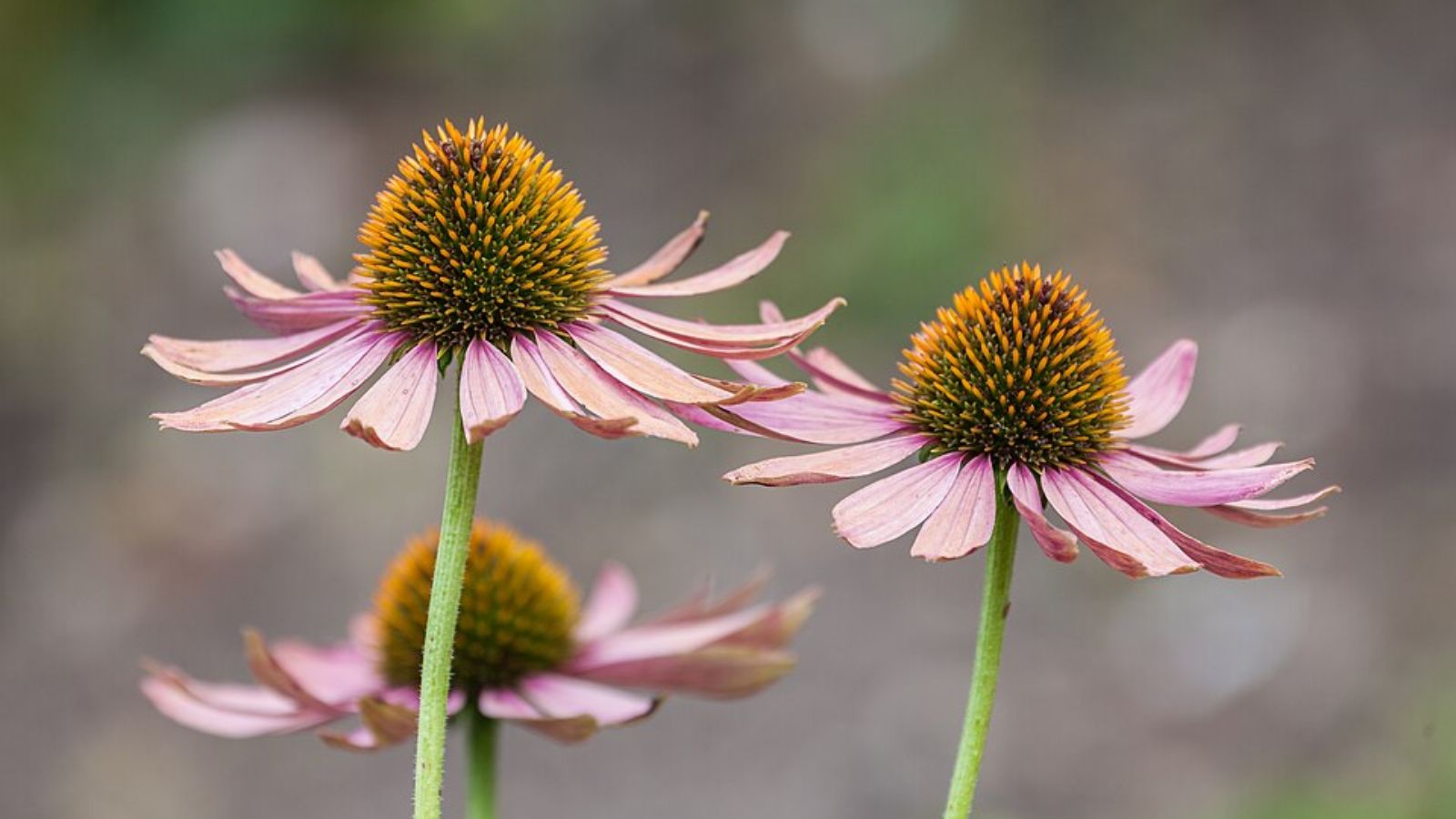

There are around 73,000 tree species globally, and these trees ensure beauty, shade, and a healthy environment in which to live. However, some trees pose significant risks to human health, property, and the environment due to their toxicity, weak structures, and invasive nature. Here is a list of the 15 most dangerous trees in the U.S. you should know.
Manchineel Tree

The Manchineel tree is one of the most dangerous trees in the world. Its sap is so toxic that even contact with the skin can cause severe blistering. Its fruit, “Manchineel apples,” can be fatal if ingested.
This tree is found mainly in Florida and the Caribbean and is a primary concern for tourists and locals alike. Even standing under the tree during the rain can cause skin irritation as the sap mixes with water.
Poison Sumac
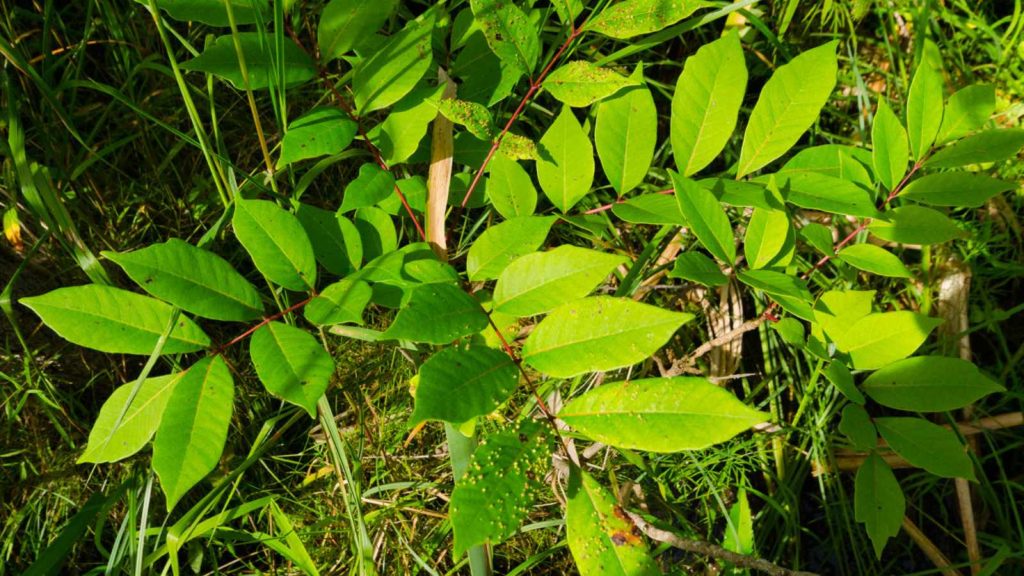
Poison Sumac thrives in the wetlands of the eastern U.S. and is notorious for causing severe allergic reactions. Its leaves contain urushiol, the same oily compound found in poison ivy.
Contact with any part of the plant can lead to painful rashes that may require medical attention. Poison Sumac is often mistaken for harmless shrubs, making it especially dangerous to those unfamiliar.
Giant Hogweed
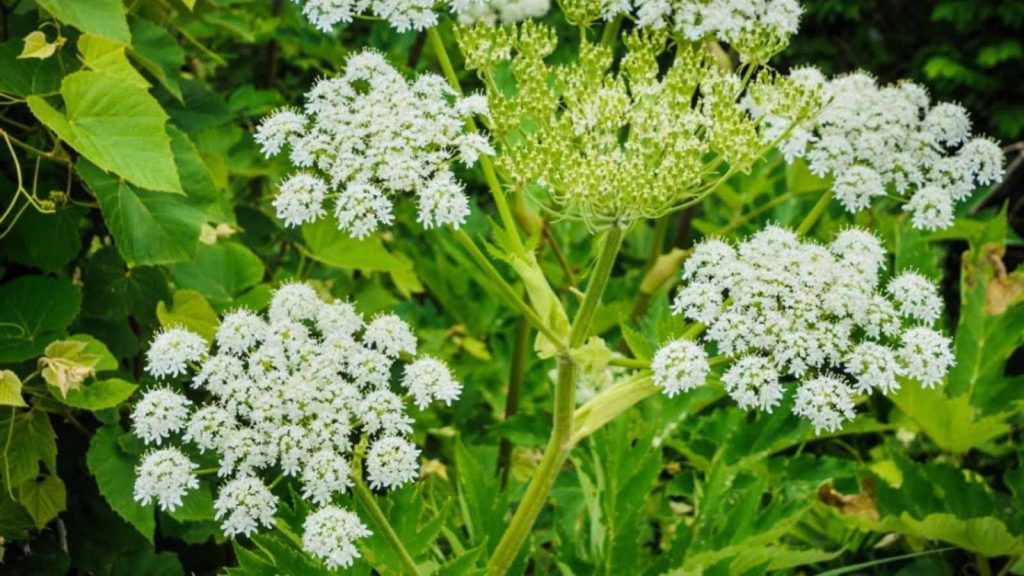
This towering plant, which can grow up to 14 feet tall, poses a severe risk due to its toxic sap. The sap causes phytophotodermatitis, where skin blisters and burns when exposed to sunlight after contact.
Found primarily in northeastern states, Giant Hogweed is considered a public health hazard. The plant’s spread has led to significant efforts to control its population, with several states issuing guidelines on safely removing it.
Black Walnut

The Black Walnut tree is valuable for its wood and nuts. However, it produces a toxic juglone in many plants and animals. Juglone inhibits the growth of nearby vegetation, making it challenging to cultivate gardens or crops near these trees. The black Walnut is not directly harmful to humans but can significantly alter local ecosystems, decreasing biodiversity.
Bradford Pear

The Bradford Pear was once a famous ornamental tree due to its beautiful spring blossoms. However, its weak wood structure makes it prone to splitting during storms.
Studies by Arnold Arboretum show that Bradford Pears can begin to break apart as early as 20 years after planting. Additionally, the tree is invasive, spreading rapidly and displacing native species.
Australian Pine

The Australian Pine has established itself in coastal areas, particularly in Florida. This invasive species can grow up to 100 feet tall, with shallow roots that make it prone to toppling in strong winds. The tree also releases allelopathic chemicals that inhibit the growth of native plants, further exacerbating its negative impact on local ecosystems.
Eastern Cottonwood

Eastern Cottonwoods are large, fast-growing trees commonly found throughout the eastern U.S. They provide shade and habitat for wildlife, but their wood is weak and brittle, making them prone to dropping large branches during storms.
Tree-of-Heaven

The Tree-of-Heaven is an invasive species that can quickly take over disturbed areas, such as vacant lots and roadsides. Its rapid growth and ability to sprout from roots make it difficult to eradicate. Moreover, its root system can cause damage to infrastructure, including sidewalks and building foundations.
Box Elder

Box Elders are commonly found across North America. Unfortunately, these trees are prone to various pests and diseases, such as Aphids, which weaken their structure and increase the likelihood of branch failure. Box elder trees are also known to attract box elder bugs, which can become a nuisance in homes.
Honey Locust

The Honey Locust is a thorny tree that can harm people and animals physically. Its large thorns can grow up to three inches long and are sharp enough to puncture tires and injure livestock. The tree is hardy and provides shade, but its thorns make it unsuitable for planting near walkways or play areas.
Silver Maple

Silver Maples are fast-growing trees often planted for their quick shade. However, their wood is soft and prone to breaking, especially during storms.
Silver maples are among the trees most likely to suffer from limb failure. Their aggressive root systems can damage sidewalks, driveways, and sewer lines.
Oleander

Oleander is a popular ornamental shrub in the southern U.S., particularly in California. However, all parts of the plant are highly toxic if ingested.
The plant contains several toxic compounds, including oleandrin, which can cause nausea, vomiting, and even death. Despite its beauty, Oleander is considered one of the most dangerous plants in homes, especially for those with children or pets.
Black Locust

The Black Locust produces durable wood. However, it is considered invasive in many parts of the U.S. Its bark, seeds, and leaves contain toxic compounds that can cause symptoms ranging from nausea to respiratory issues if ingested. The Black Locust spreads rapidly and can outcompete native vegetation, leading to ecological imbalances.
Mimosa Tree

The Mimosa Tree is a fast-growing ornamental tree with attractive pink flowers. Its weak wood structure makes it prone to breakage, particularly in windy conditions.
The Mimosa Trees are also invasive in the southeastern U.S., spreading rapidly and displacing native species.
Ponderosa Pine

The Ponderosa Pine, native to the western U.S., is a large tree that can grow up to 200 feet tall. It is generally sturdy, but the tree’s needles and bark contain toxic compounds like isocupressic acid that can harm livestock if ingested. Ponderosa Pines are also susceptible to beetle infestations, weakening the tree and increasing the risk of falling during storms.