
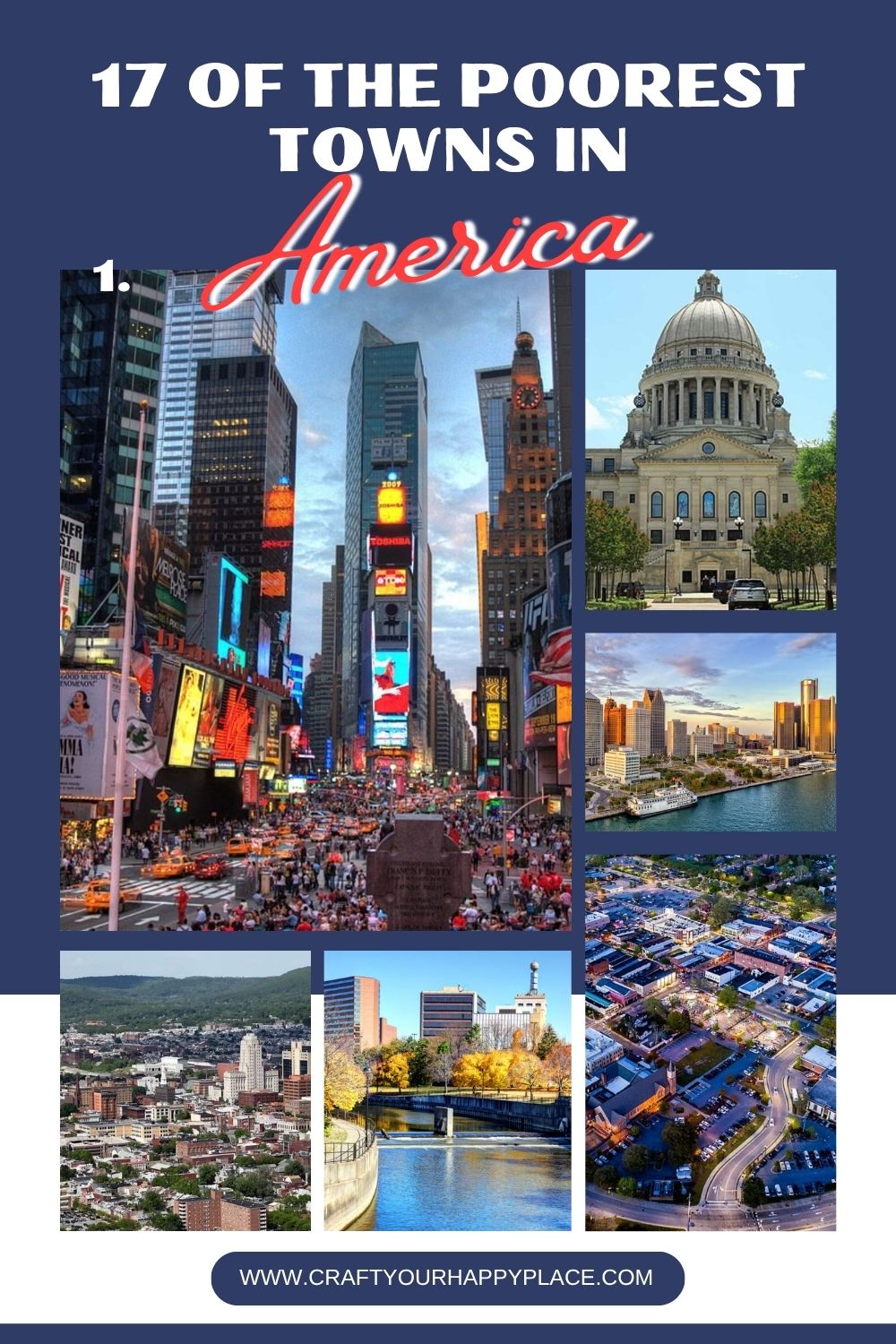

In the land of opportunity, not all towns shine brightly. The U.S. Census Bureau highlights that, as of 2022, approximately 11.5% of Americans live in poverty, but certain towns illustrate this issue more profoundly.
An alarming report by the National Community Reinvestment Coalition indicates that many rural and small-town communities struggle with median household incomes far below the national average of $74580 (in 2022). These struggling areas tell stories of resilience amidst hardship, showcasing the tenacity of their residents who strive for a better tomorrow.
Pharr, Texas

The U.S. Census Bureau’s 2021 data shows that Pharr has a median household income of approximately $42,811 (in 2021), with 29.4% of its residents earning below the poverty level in 2022. Pharr’s primary industries, notably agriculture and manufacturing, often offer limited employment with little upward mobility, keeping many families in a cycle of poverty.
Furthermore, educational attainment in the region lags behind state averages, with only 43% of residents over 25 possessing a high school diploma. The Pharr Economic Development Corporation is actively working on attracting new businesses and supporting existing local enterprises through various incentive programs.
New Mexico: Alamo

The median household income in Alamo is approximately $24,118. 69.8% of the residents had an income below the poverty level in 2022, with 56.4% of high school graduates and 54.8% of non-high school graduates living in poverty
The community’s primary industries, including agriculture and some crafts, are insufficient to provide stable employment opportunities. Organizations such as the Alamo Navajo School Board, Inc., are working to provide educational resources and community outreach programs. New Mexico Human Services Department programs seek to enhance access to healthcare and nutritional assistance.
Jackson, Mississippi

Jackson, the capital of Mississippi, has a median household income of approximately $42,193 and a 25.9% poverty rate. The city’s economic landscape has been severely impacted by declining manufacturing jobs and a shrinking tax base that hampers local public services and infrastructure development.
The National Center for Education Statistics reports that many schools in Jackson are underfunded, leading to inadequate educational outcomes. Organizations like the United Way of the Capital Area have implemented programs focused on financial literacy and job training, equipping residents with the necessary skills to compete in today’s job market.
Cleveland, Ohio

Cleveland’s median household income was approximately $36,403 in 2021. Furthermore, the poverty rate in Cleveland is a staggering 29.3% (down from 32%). The decline of the steel industry and the loss of manufacturing jobs have been central to the economic difficulties experienced in Cleveland.
The Cleveland Jobs Strategy, for instance, focuses on creating job training programs linked directly to the needs of local employers. Additionally, initiatives like the Cleveland Housing Network aim to provide affordable housing solutions to low-income families, helping to stabilize communities.
South Dakota: Porcupine

Porcupine, located on the Pine Ridge Reservation in South Dakota, has a median household income of approximately $25,000. The poverty rate in this town hovers around 48%. The primary industries in Porcupine are limited and primarily revolve around informal employment and agriculture, with few opportunities for stable, long-term jobs, further perpetuating the cycle of poverty.
A U.S. Department of Health and Human Services report shows that many families lack regular access to a healthcare provider. Organizations such as the Black Hills Institute and local community groups have implemented job training programs to equip residents with skills needed for employment in higher-paying sectors.
San Marcos, Texas

The median household income in San Marcos is approximately $47,394, with approximately 21.1% of residents earning below the poverty level in 2022. His high unemployment and poverty rate can be attributed to several factors, including a fluctuating job market largely dependent on seasonal tourism and retail jobs, which often offer low wages and limited benefits.
Texas State University provides educational opportunities, but also contributes to a transient population. The San Marcos Economic Development Corporation has started various programs to attract new businesses and support existing ones through grants, incentivizing job creation.
Detroit, Michigan

As of 2020, the city’s poverty rate stood at approximately 30%, starkly contrasting with the national average of around 10.5% (U.S. Census Bureau). The automotive industry’s downturn, particularly with the collapse of major companies like General Motors and Chrysler, led to mass job losses and a shrinking tax base.
According to a report from the Detroit Free Press, the city lost nearly 1.2 million residents between 1950 and 2010, substantially affecting local economies and services. Initiatives like the Detroit Blight Removal Task Force have focused on demolishing abandoned properties to enhance community safety and attract investment.
Birmingham, Alabama

Birmingham, Alabama, has a poverty rate of 26.6%, significantly higher than the national average. Once a flourishing industrial hub known for its steel production, the decline of these industries has left the city struggling with structural unemployment.
The median household income in Birmingham is approximately $35,000. Additionally, systemic issues such as racial segregation and unequal access to education have further exacerbated the situation. The “Birmingham Promise” program provides scholarships and job-training resources to youth pursuing higher education or vocational training.
Greenville, North Carolina

The median household income is approximately $39,942, and the poverty rate hovers around 28.4% as of the latest census data. As a regional medical and educational hub, the economy has historically depended on jobs in healthcare and education; however, these sectors face ongoing challenges that limit employment growth.
The local workforce is also affected by lower levels of educational attainment, with only around 34% of residents over 25 holding a bachelor’s degree or higher. Initiatives like Pitt Community College’s programs aim to connect residents with better job opportunities.
Flint, Michigan

As of 2021, Flint’s poverty rate was reported to be approximately 36.5%, nearly double the national average of 13.4%. At its industrial peak, Flint was known as the birthplace of General Motors. The loss of thousands of jobs since the 1980s has resulted in widespread unemployment and economic instability.
Nearly 45% of households in Flint are single-parent families, which often bear the brunt of economic challenges. Furthermore, the infamous water crisis, which began in 2014, has devastated the city’s public health and infrastructure. The Flint & Genesee Chamber of Commerce has launched initiatives to attract new businesses and create job opportunities.
Selma, Alabama

Selma, Alabama, struggles with a poverty rate of approximately 41.9%. The median household income in Selma is around $27,000, indicating widespread economic distress among its residents. Contributing factors to this dire situation include a historical reliance on cotton farming and manufacturing industries, which have seen substantial declines over the past few decades.
The unemployment rates currently hover around 10.5%. Initiatives like the Selma City Schools’ partnership with community organizations aim to enhance educational resources and provide mentoring for students.
Reading, Pennsylvania

The poverty rate in Reading, Pennsylvania, hovers around 40%. Historically a hub for the textile industry, Reading has faced substantial job losses due to deindustrialization, leading to high unemployment rates and inadequate job opportunities.
According to the Pennsylvania Budget and Policy Center, Reading’s median household income is approximately $39,000. The Reading Economic Development Authority has focused on revitalizing abandoned properties and attracting new businesses to the area, which can help stimulate local job growth.
Bloomington, Indiana

As of 2021, Bloomington’s poverty rate stands at approximately 24.5%, while the city’s median household income is reported to be around $43,000. The local economy has heavily relied on the education sector, particularly Indiana University, which, while a significant employer, creates a volatile job market susceptible to budget cuts and enrollment fluctuations.
Furthermore, the city faces challenges related to structural unemployment. Programs like the Bloomington Housing Authority provide low-income families with rental assistance and supportive services. Additionally, local non-profits, such as the Monroe County United Ministries, work toward empowering residents through job training and educational resources.
New York: New Square

As of 2020, the median income in New Square is around $30,000, while the poverty rate hovers around 35%, indicating that a substantial portion of the population lives below the federal poverty line. The town is primarily supported by a tight-knit community largely composed of Hasidic Jews, with many residents relying on limited business opportunities and religious institutions for employment.
Local organizations like the New Square Community Development Corporation aim to improve access to educational resources and job training programs.
California: Weedpatch

Weedpatch has a poverty rate of approximately 40% and a median household income of around $22,000, starkly contrasting with California’s median of over $80,000. Many of Weedpatch’s residents have struggled with unemployment, partially driven by the decline of the agricultural sector that once provided jobs for many families in the area.
Additionally, because Weedpatch lacks essential services and infrastructure, residents often face difficulties accessing better-paying jobs outside the community. Local organizations, such as the Weedpatch Community Center, are working to provide educational resources, job training programs, and food assistance to residents.
Louisiana: Oil City

The town boasts a median household income of approximately $24,984. The poverty rate in Oil City hovers around 37%, meaning that more than a third of its residents live below the federal poverty line.
Historically, Oil City relied on the oil and gas industry; however, the decline in these sectors has led to significant job losses. The town’s remoteness and lack of diverse industries further compound the issue, leaving residents with limited employment opportunities. The North Louisiana Economic Partnership has worked to attract new businesses to the region, aiming to create jobs and stimulate the local economy.
Mississippi: Rosedale

Rosedale, Mississippi’s poverty rate hovers around 40%, compared to the national average of about 11.4%. The town’s median household income is significantly lower than the national median, falling below $25,000 according to the U.S. Census Bureau data from 2021.
Statistics from the Mississippi Department of Education show that around 80% of local students qualify for free or reduced-price lunch, indicating significant economic hardship among families. The Delta Regional Authority has allocated funds to improve workforce development in the Delta region, aiming to create sustainable job opportunities for residents.