You’ve finally gotten your tool belt, ready to take on every home project under the sun. Well, not so fast! DIY home repairs might save time and money; however, it might surprise you how many of these home fixes do require professional certification, and skipping the pro might leave you in serious hot water. In truth, most homeowners have at least one repair they did that ought to be done by a licensed professional.
To make your job easier and save you the trouble, fines, and a visit from a safety inspector, here is a list of 15 standard (but illegal) DIY repairs.
Electrical Wiring and Outlets

Almost every U.S. state considers unlicensed electrical work to be illegal, but did you know that? It’s nearly 51,000 electrical repairs a year that cause fires in American homes, primarily because of unprofessional wiring.
Running or swapping an outlet or wiring a house without a license is dangerous, and it is illegal, too. Electrical wiring is a job for certified electricians only — whether you’re replacing old outlets or hooking up a new light fixture. Alternatively, change to things like lightbulbs and outlet faceplate swaps. Anything beyond that requires a licensed electrician
Plumbing Line Modifications

Messing with plumbing might sound simple, but changing a plumbing line or modifying the existing piping is a job strictly for the pros. One small mistake can lead to leaks, flooding, or worse—water damage.
Poorly done plumbing repairs cause over $1 billion in annual property damage. You can replace showerheads and clear drains yourself, but leave the big stuff, like moving pipes or altering the size of a line, to licensed plumbers.
Gas Appliance Installation

Want to install a new gas stove or heater? Not so fast! Working with gas lines without proper certification is illegal and incredibly dangerous. Gas leaks due to unlicensed repairs are responsible for over 400 accidental deaths per year in the U.S.
A licensed professional can safely install gas appliances while ensuring everything is up to code. You can hook up your gas grill (if it’s designed for easy connections), but anything involving gas piping needs an expert.
Roofing Repairs and Replacement

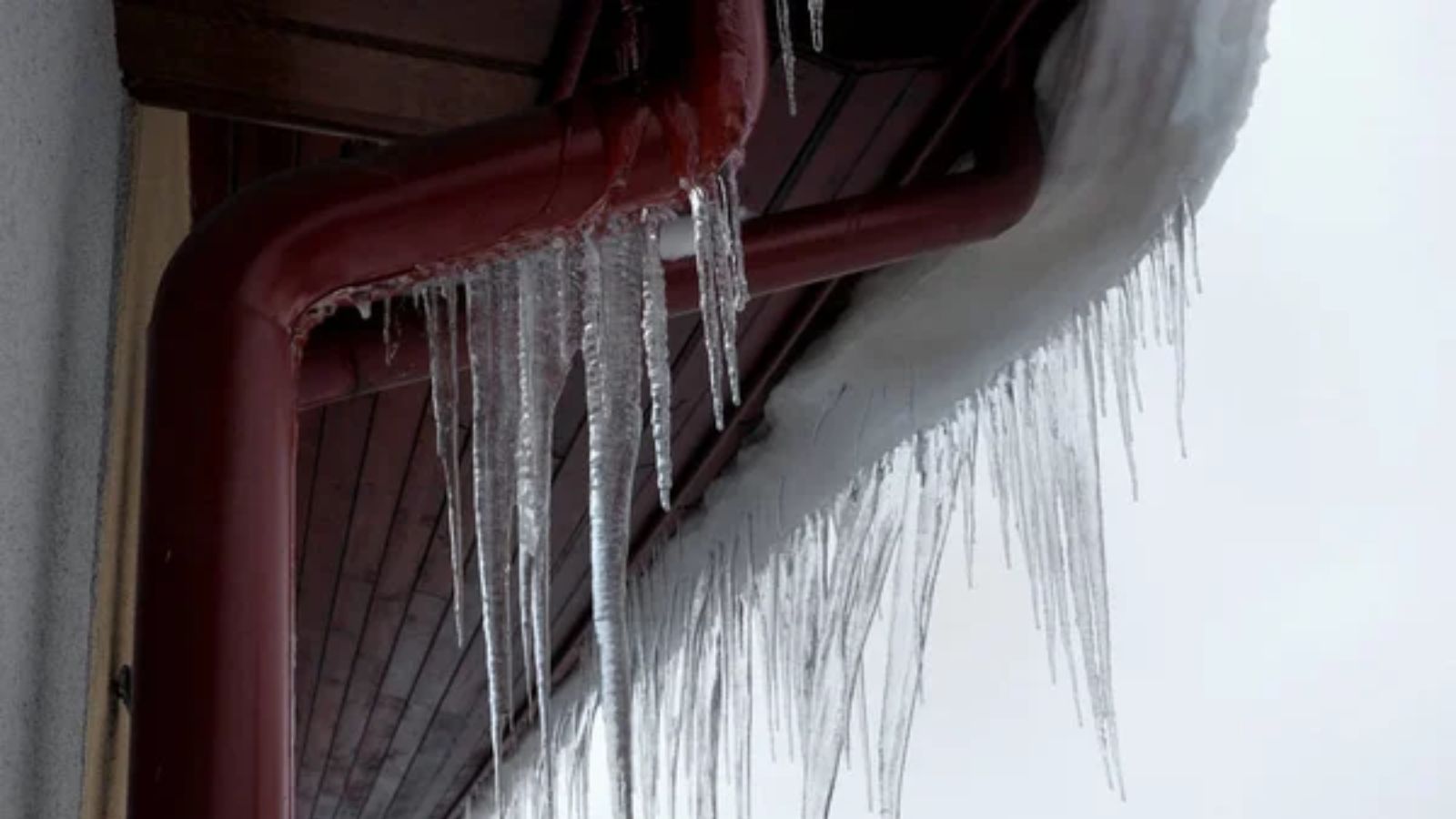
When it comes to roofing, many localities require licensed contractors to handle significant repairs and replacements. DIY roofing can void your insurance policy, leaving you liable for any damages if something goes wrong.
Not to mention, DIY roofers face injury rates three times higher than the pros. Feel free to clean your gutters or clear debris from your roof, but any serious repair calls for a roofer.
Window Installations and Replacements

Window installation may look easy, but the legal risks are high. Many areas require certified contractors to replace windows to ensure they meet insulation and structural standards.
Improperly installed windows lead to higher utility bills and drafty rooms, and they’re also a common source of mold. You can repair broken seals or caulk around windows, but major replacements need a pro.
Structural Wall Removal

Thinking about creating that “open concept” look? Removing walls is a major structural change that requires a permit—and often, an engineer’s approval. Load-bearing walls support a lot of weight, and removing one improperly can lead to a dangerous collapse.
If it’s a non-load-bearing partition wall, you may be able to take it down with proper permission. Otherwise, hire a structural engineer and contractor.
Septic System Repairs

A Septic system repair is often overlooked, and a considerable mess can be caused by trying to DIY. To repair a septic system, whether it’s from a leak or because a part failed, you’ll need a licensed technician.
If treated improperly, septic issues can also contaminate local water sources. Alternatively, you can regularly maintain your septic system by scheduling pumping every 3–5 years, but the responsibility of repairs goes to the pros.
Installing or Replacing Siding

Siding installation seems simple, but it can go wrong if done improperly, forcing mold, moisture buildup, and rot within the walls. Siding jobs that change the exterior siding of your home are required by most states to have a contractor’s license.
Typically, minor repairs such as small patch jobs on existing siding are okay, but major installations or full installations require a pro.
HVAC Installation and Repairs

HVACs are not simple, and proper ventilation, refrigerant handling, and setups are necessary.
Further, unlicensed HVAC work can cause severe damage and void warranties. Poor installation also wastes homeowners a lot of money in energy costs per year. You can replace a filter, but a repair or installation of any kind is a pro job.
Water Heater Installation

There are as many pipes and as much electricity (or gas) to learn about installing a new water heater. But you can’t install it in most areas without a permit or have it installed by a licensed electrician, or you could have a dangerous leak or electrical fire.
A lack of proper setup can lead to more than 100 reported water heater explosions per year. Leave the installation to a plumber, but adjust the water temperature regularly.
Pool Installation and Major Repairs

Pools involve complex plumbing and electrical (sometimes gas) affairs. DIY-ing a pool repair feature can be dangerous and violate local building codes. Basic pool installations have to be performed by licensed technicians to pass safety inspections.
You can safely handle keeping your pool neat and clean, such as testing pH and minor surface cleaning.
Fence Installation (Above Certain Heights)

Fences that are six feet tall or more in height usually require a building permit, and unpermitted work could get you fined or, worse yet, demolition orders.
Fences that don’t follow the proper rules also leave the risk of boundary disputes with neighbors, requiring mediation or, worse still, legal action. If your fences are shorter, you may be able to do this yourself, but first, double-check the laws regarding fence types and heights!
Building Decks or Patios

While it might be tempting to design your deck, most cities require a permit and a licensed contractor to build one.
Improper deck installation is one of the top causes of home inspection failures, and over 20,000 injuries result from collapsing decks each year. You can add furniture or accessories, but leave the deck building to a licensed contractor.
Mold Remediation
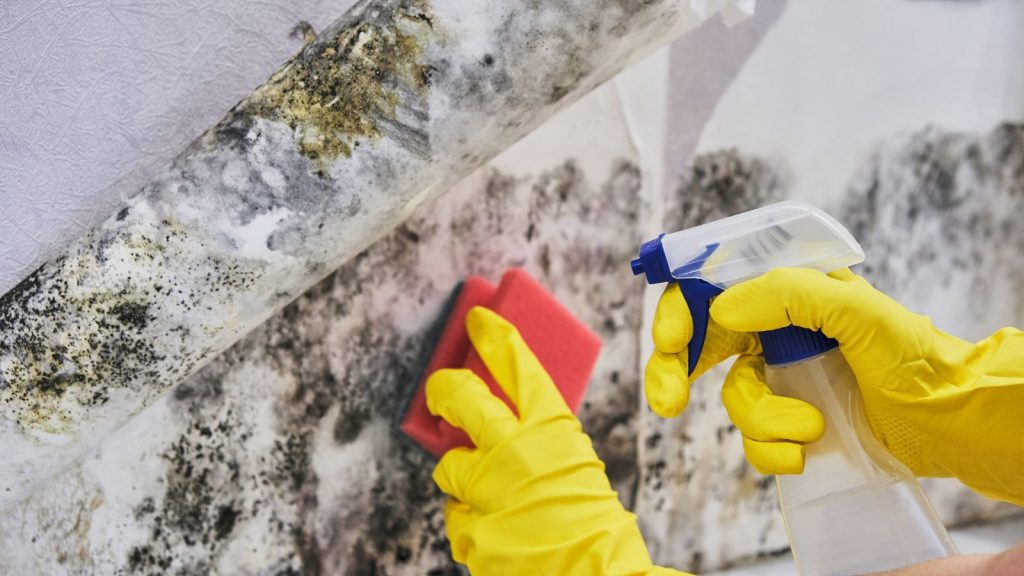
Mold can be tricky and dangerous, and there are strict health and safety codes. In fact, DIY mold removal can cause the problem to spread, blowing spores into the air.
Licensed mold remediation specialists are trained to handle these hazards. While you can clean a little mold with vinegar or detergent, deeper problems require professional help.
Pest Control with Restricted Chemicals

DIY pest control is okay until you’re dealing with toxic or restricted chemicals regulated by federal and state agencies. Misuse of these chemicals is illegal, with fines for unlicensed use and potential harm to pets, family members, and local wildlife.
For smaller infestations, use over-the-counter traps and safe sprays, and call an exterminator for more serious problems.