
Memory plays a huge role in everyday life, from remembering conversations and appointments to learning new things and making decisions. What we eat can also play a part in brain health. A diet built around highly processed foods, added sugars, excess sodium, and unhealthy fats may be less supportive of healthy brain function than one filled with vegetables, fruits, whole grains, lean proteins, and healthy fats.
That doesn’t mean a bowl of ice cream or a serving of fries is going to ruin your memory. Food choices tend to matter most as part of your overall eating habits. If processed foods make up a large part of your diet, replacing some of them with more nutrient-rich choices may be a worthwhile change.
Here are 15 everyday grocery foods that are worth looking at more closely if you’re trying to support your memory and long-term brain health.
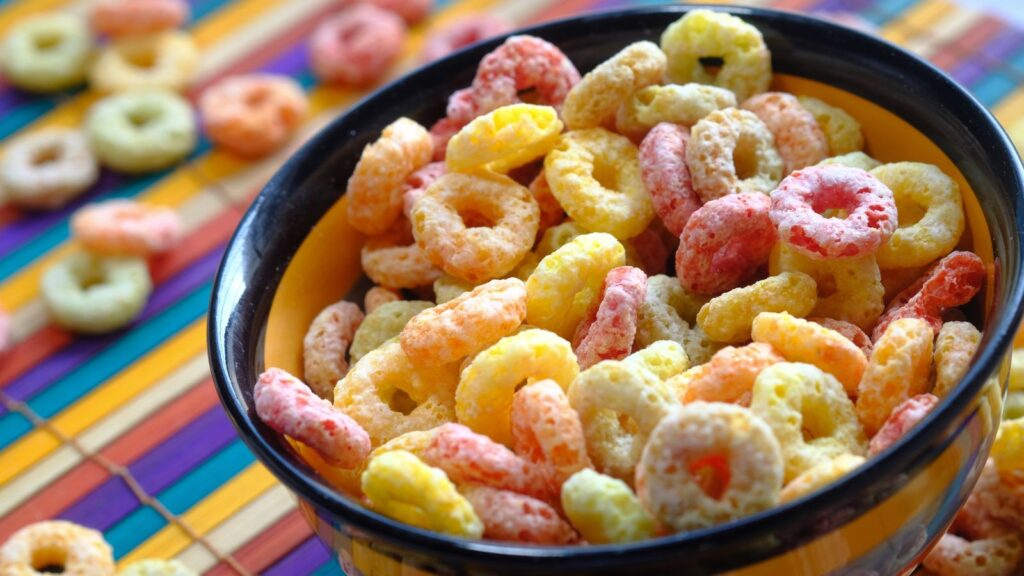
Sugary Cereals
Sweet breakfast cereals can be an easy way to start the morning, but some varieties contain a surprising amount of added sugar. Eating a lot of added sugar over time has been associated with inflammation and metabolic problems that can also affect brain health.
Some cereals marketed as better-for-you choices still contain considerable amounts of sugar per serving. Checking the nutrition label can help you find options with more whole grains and fiber and less added sugar.
Try instead: Plain oatmeal, unsweetened whole-grain cereal, or overnight oats topped with berries, nuts, or seeds.
Related: 15 Foods Surprisingly Linked to Microplastic Exposure
Processed Meats
Bacon, sausage, hot dogs, and deli meats are convenient, but they’re also among the foods worth limiting in a brain-friendly eating pattern. Many contain substantial amounts of sodium and saturated fat, while some are preserved with nitrates or nitrites.
Eating processed meat regularly has been linked with several health concerns, including cardiovascular problems. Since healthy blood flow is important for the brain, it makes sense to keep these foods as occasional choices.
Try instead: Fresh chicken, fish, eggs, beans, lentils, or less-processed cuts of meat.
Artificially Sweetened Foods and Drinks
Diet sodas, sugar-free snacks, and other low-calorie products often use sweeteners such as aspartame, sucralose, or other sugar substitutes. Research into their long-term effects is still developing, so claims that these ingredients directly cause memory loss are stronger than the evidence supports.
Still, relying heavily on sweetened drinks and packaged snacks can leave less room for foods that provide fiber, vitamins, minerals, and healthy fats.
Try instead: Water, unsweetened tea, sparkling water, or whole fruit when you want something sweet.
Related: These 17 Foods Have Become Surprisingly Expensive
Fried Foods
French fries, fried chicken, onion rings, and other deep-fried foods can be high in calories, saturated fat, and sodium. Diets high in fried and heavily processed foods have been associated with poorer cognitive health in some studies.
Eating fried food occasionally isn’t likely to cause a noticeable change in memory. The bigger concern is making it a regular part of your diet.
Try instead: Roasted potatoes, baked chicken, air-fried vegetables, or other foods prepared with less oil.
White Bread
White bread is made from refined flour, which contains less fiber than whole-grain bread. Refined carbohydrates can cause blood sugar to rise quickly, especially when eaten without protein, fiber, or healthy fats.
Over time, diets high in refined carbohydrates may be less supportive of metabolic and brain health.
Try instead: Whole-grain bread, seeded bread, whole-wheat wraps, or sourdough made with whole grains.
Soda
A cold soda can be refreshing, but drinking sugary beverages regularly can add a lot of sugar to your diet without providing much nutritional value. High sugar intake is associated with problems such as insulin resistance and obesity, both of which are linked with poorer health outcomes for the brain.
You don’t have to give up soda forever. Cutting back on how often you drink it can make a noticeable difference in your overall sugar intake.
Try instead: Water with lemon or lime, sparkling water, unsweetened iced tea, or plain water.
Related: 13 Surprisingly Common Foods People Are Embarrassed to Like
Packaged Snack Foods
Chips, crackers, cheese-flavored snacks, and similar products are easy to grab when you’re hungry. The problem is that many are high in sodium, refined carbohydrates, and added fats while offering little fiber or protein.
They can also be surprisingly easy to eat straight from the bag, making it hard to keep track of portions.
Try instead: Nuts, seeds, fresh fruit, roasted chickpeas, or air-popped popcorn.
Margarine
Margarine has changed quite a bit over the years. Some older products contained high amounts of trans fats from partially hydrogenated oils, while many newer products have had those fats removed or greatly reduced.
Trans fats have been associated with cardiovascular disease and poor health outcomes, which is why checking the nutrition label still matters. Research from Loma Linda University has examined the relationship between dietary trans fats and cognitive performance.
Try instead: Extra-virgin olive oil, avocado, nuts, seeds, or a spread with a favorable unsaturated-fat profile.
Canned Soups
Canned soup can be a lifesaver on a busy day, but some varieties contain a lot of sodium. Eating too much sodium can contribute to high blood pressure, which is a risk factor for cardiovascular disease and problems affecting brain health.
You don’t have to avoid canned soup altogether. Compare labels and look for lower-sodium versions, then add vegetables, beans, or lean protein to make the meal more filling.
Try instead: Homemade soup, reduced-sodium canned soup, or broth-based soups packed with vegetables and beans.
Ice Cream
Ice cream is a treat, and there’s nothing wrong with enjoying it from time to time. Many varieties are high in added sugar and saturated fat, though, so large portions eaten frequently can make it harder to maintain a balanced diet.
The issue isn’t one scoop after dinner. It’s the overall pattern of eating foods high in sugar and saturated fat while missing out on foods that provide fiber, vitamins, minerals, and healthy fats.
Try instead: Frozen berries, plain frozen yogurt with fruit, or homemade banana-based frozen treats.
Energy Drinks
Energy drinks can contain large amounts of caffeine and added sugar, depending on the brand. Too much caffeine may interfere with sleep, and poor sleep can make it harder to concentrate, learn, and form memories.
The University of Rochester Medical Center discusses concerns related to high caffeine and sugar intake from energy drinks.
If you rely on these beverages to get through the day, it may be worth looking at your sleep, hydration, meals, and overall caffeine intake.
Try instead: Water, unsweetened tea, coffee in moderate amounts, or a snack containing protein and complex carbohydrates.
Cheese
Cheese provides protein, calcium, and other nutrients, so it doesn’t belong on a list of foods that everyone needs to avoid. The concern is mainly with eating large amounts of full-fat or highly processed cheese as part of an otherwise heavily processed diet.
Some processed cheese products can also contain considerable amounts of sodium and saturated fat.
Try instead: Smaller portions of natural cheeses such as cheddar, mozzarella, Swiss, or feta. Pairing cheese with fruit, vegetables, or whole-grain crackers makes for a more balanced snack.
Alcohol
Alcohol can affect the brain in several ways, particularly when consumed in large amounts or over long periods. Heavy alcohol use can damage brain tissue and interfere with memory, attention, and other cognitive functions.
The Alzheimer’s Society notes that excessive alcohol consumption is linked with a higher risk of dementia. Alcohol can also interfere with sleep, which plays a major role in memory formation.
If you drink, keeping your intake low is a reasonable way to support your overall health.
Instant Noodles
Instant noodles are inexpensive, quick, and easy to keep in the pantry. They’re also often high in sodium and low in fiber, protein, and several important nutrients when eaten by themselves.
The noodles themselves aren’t the main issue. It’s what the meal lacks. A bowl of noodles with little protein or produce won’t provide the same nutritional value as a more balanced meal.
Try instead: Add eggs, chicken, tofu, mushrooms, spinach, carrots, or other vegetables to your noodles. You can also choose whole-grain noodles or make a simple homemade noodle soup.
Flavored Yogurt
Yogurt can be a nutritious source of protein and calcium, but flavored varieties may contain a substantial amount of added sugar. Some dessert-style yogurts can contain enough sugar to make them more like a sweet snack than a nutrient-dense breakfast.
That doesn’t mean you have to give up flavored yogurt. Reading the label can help you find varieties with less added sugar.
Try instead: Plain Greek yogurt topped with berries, banana, nuts, seeds, or a small amount of honey.
A Better Way to Think About Brain-Friendly Eating
There isn’t one grocery-store food that determines whether you’ll have a good memory or develop cognitive problems later in life. Your overall eating pattern matters much more than an occasional serving of fries, ice cream, or processed meat.
A diet built around vegetables, fruits, whole grains, beans, fish, nuts, seeds, and healthy fats gives your body a wider range of nutrients to work with. Cutting back on highly processed foods and sugary drinks can also make room for those foods without making your diet feel restrictive.
Small changes can add up. Swapping soda for water, choosing whole-grain bread, adding vegetables to instant noodles, or picking plain yogurt instead of a heavily sweetened variety are simple places to start.