Hippos are among Africa’s most fascinating animals. These enormous semi-aquatic mammals spend much of their day in rivers, lakes, and other waterways, earning them the nickname “river horses.” From a distance, they can look slow and peaceful as they float with just their eyes, ears, and nostrils above the surface. Up close, though, they are a very different story. Hippos are territorial, surprisingly quick on land, and can be dangerous when people get too close.
Seeing them in their natural habitat is an experience that stays with you. Rather than watching them in a zoo enclosure, you get to see them behaving as they would in the wild, whether that means lounging in the water, grazing along the riverbank, or calling to one another.
If you’re planning a safari around hippo sightings, Africa has plenty of rivers where these animals are commonly found. Some are best explored by boat, while others offer opportunities to see hippos from designated viewing areas along the banks. Here are 10 rivers and waterways worth knowing about.
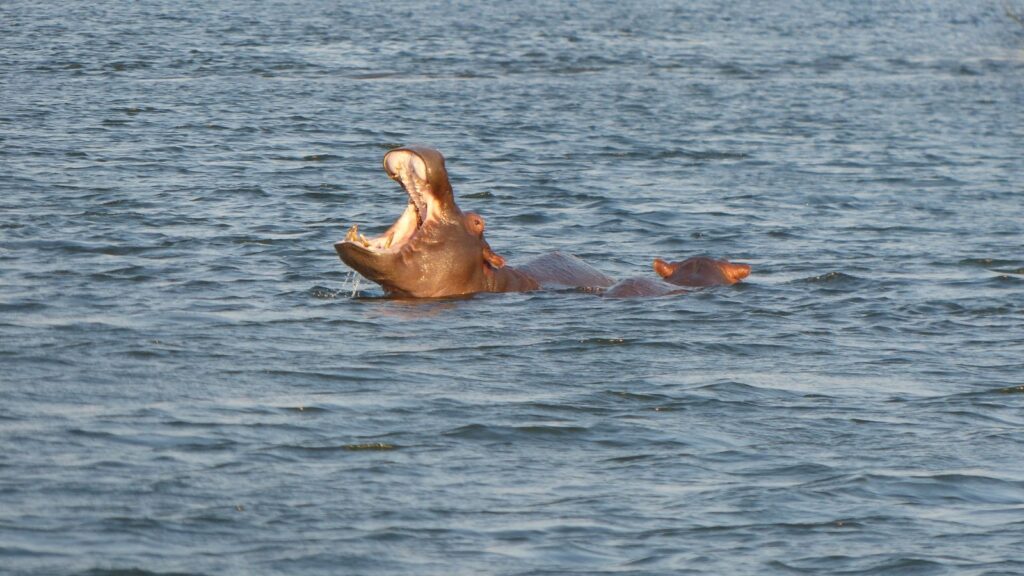
Zambezi River
The Zambezi River runs through six African countries and is one of the continent’s best-known waterways. It is famous for Victoria Falls, but the quieter stretches of the river offer some memorable wildlife sightings too.
Boat safaris can bring you close enough to watch pods of hippos surfacing, yawning, grunting, and slipping back beneath the water. They may appear relaxed, but guides take their territorial behavior seriously. Keeping a safe distance is a must, particularly near groups gathered along the river.
Mara River
The Mara River is best known for the Great Migration, when huge herds of wildebeest and zebras cross the water in Kenya and Tanzania. The river also provides habitat for large numbers of hippos.
Seeing hippos here adds another layer to an already remarkable wildlife experience. Depending on the area and season, visitors may spot them gathered in deeper pools while other animals come to the river to drink. Guided viewing is the safest way to observe them.
Nile River
The Nile is Africa’s longest river and has played a major role in the history and culture of the continent for thousands of years. It is also home to hippos in parts of Uganda, including Murchison Falls National Park.
The calmer stretches of the Nile in the park are known for wildlife viewing. According to a Murchison Falls Wildlife report, the area supports one of East Africa’s larger hippo populations.
A guided boat safari gives visitors a chance to watch hippos from the water without getting too close. You may see them packed together in shallow areas, with only their heads visible above the surface.
Luangwa River
The Luangwa River in Zambia has earned a reputation as a major hippo hotspot. It winds through the Luangwa Valley, where wildlife gathers around its pools and banks.
During the dry season, water becomes more concentrated in certain sections of the river, bringing hippos together in large groups. Depending on the safari operator and location, visitors can see them from vehicles, boats, or designated walking routes.
A 2018 Guardian report estimated that the Luangwa Valley was home to around 25,000 hippos.
Okavango River
The Okavango River feeds the famous Okavango Delta in Botswana, creating a maze of channels, lagoons, floodplains, and islands. This unusual water system provides plenty of places for hippos to spend their days.
One of the traditional ways to explore parts of the delta is by mokoro, a narrow canoe that moves quietly through the shallow waterways. Seeing a hippo from a small canoe can be thrilling, but guides know which areas are safe and how much distance to keep.
You may hear a deep grunt or splash before you spot the animal itself.
Chobe River
The Chobe River is another excellent destination for wildlife lovers. Located in northern Botswana, the river attracts hippos, elephants, crocodiles, and an impressive range of birdlife.
Boat cruises are a popular way to explore the river, especially around sunset. Hippos can often be seen gathered in the water or resting along the banks. The combination of wildlife, changing light, and wide-open views makes a boat trip here especially memorable.
Local guides also add plenty of personality to the experience, often sharing stories about the animals and the area.
Kazinga Channel
The Kazinga Channel runs through Uganda’s Queen Elizabeth National Park, connecting Lake George with Lake Edward. It is well known for its concentration of hippos and is one of the country’s popular wildlife-viewing locations.
The calm water makes it possible to see hippos gathered near the shoreline while crocodiles and numerous bird species occupy the same ecosystem. A boat trip along the channel can provide a close look at several species in a relatively small area.
For anyone hoping to see hippos without spending days searching for them, the Kazinga Channel is a particularly appealing stop.
Congo River
The Congo River is Africa’s second-longest river and one of the continent’s great waterways. It passes through areas of dense tropical forest and supports an enormous variety of wildlife.
Hippos can be found in parts of the river, including wider stretches such as the Malebo Pool. Sightings here can be very different from those on more heavily visited safari routes. The scale of the river and the surrounding forests give the experience a remote feel.
Travel along parts of the Congo can be more challenging than visiting established safari destinations, so trips require careful planning and experienced local guides.
Ruaha River
The Ruaha River runs through Tanzania’s Ruaha National Park, an area known for rugged scenery and abundant wildlife. During the dry season, the river becomes especially important because animals depend on its remaining water.
Hippos gather in and around suitable pools, making these areas good places for wildlife viewing. Elephants, crocodiles, birds, and other animals also rely on the river, so a visit can offer much more than a hippo sighting.
Ruaha is also known for its quieter safari atmosphere compared with some of Tanzania’s more heavily visited parks.
Limpopo River
The Limpopo River runs through parts of South Africa, Botswana, and Mozambique. It may not receive the same attention as the Zambezi or Mara, but it provides habitat for hippos in sections where the water is slower and deeper.
Hippos tend to spend much of the day in the water to keep cool, then come onto land to graze, often after sunset. Seeing them along the Limpopo can be a rewarding experience, especially for travelers interested in wildlife destinations away from the most famous safari routes.
As with any hippo encounter, visitors should follow local guidance and keep a safe distance from the animals. Their calm appearance can be misleading, and wild hippos deserve plenty of room.