Expiration dates on condiments can be confusing. Sometimes a bottle has been sitting in the refrigerator for months, and it still looks perfectly fine. That makes it tempting to keep using it until the taste or smell gives you a reason to throw it away.
The problem is that appearance isn’t always enough to tell you whether a food is still safe.
Some condiments have a fairly long shelf life, while others spoil much sooner after opening. Ingredients such as eggs, dairy, fresh vegetables, and other perishable foods can make certain sauces more prone to spoilage. Storage matters, too. A bottle that has been left on the counter for hours or repeatedly exposed to dirty utensils may not last as long as the label suggests.
An expiration or best-by date isn’t always a strict safety deadline, but it shouldn’t be ignored either. Once a condiment is past its recommended storage period, changes in smell, color, texture, or taste can be warning signs that it’s time to replace it.
Here are 15 condiments that deserve extra attention once they’ve been sitting in your refrigerator or pantry for a while.
1. Mayonnaise
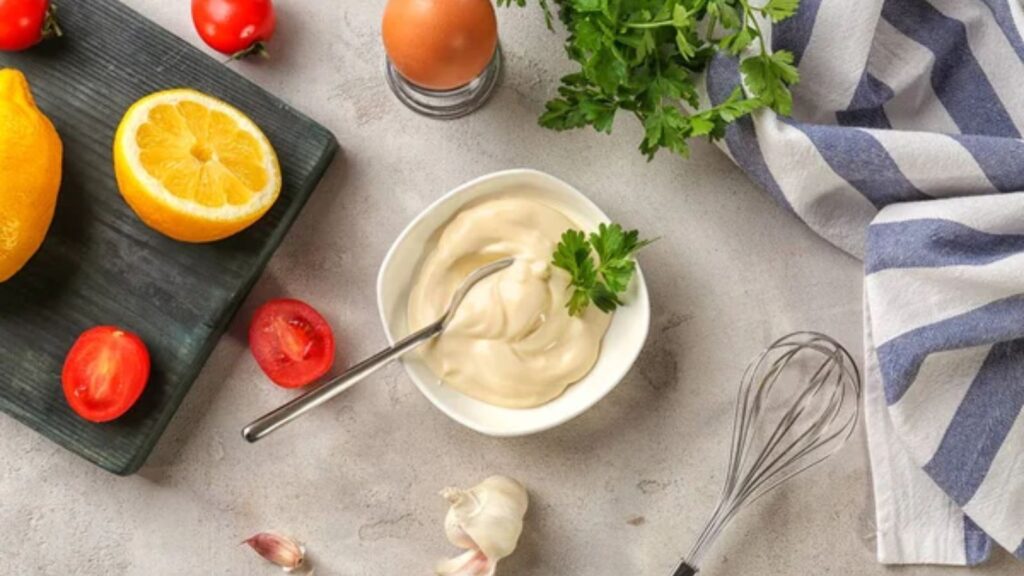
Mayonnaise is one of the condiments people tend to be most cautious about, and for good reason. Traditional mayonnaise contains eggs, and once the jar is opened, proper refrigeration becomes especially important.
An opened jar can gradually lose its quality and may become contaminated through repeated use. Bacteria such as Salmonella can cause foodborne illness, so an old jar isn’t something worth taking chances with.
Keep mayonnaise refrigerated after opening and follow the storage instructions on the label. If it has developed an unusual smell, color, or texture, toss it rather than trying to salvage it.
It’s also easy to contaminate mayonnaise by dipping used utensils back into the jar. Always use a clean utensil when serving it.
2. Ketchup
Ketchup has a reputation for lasting forever, mostly because its acidity and sugar give it a relatively long shelf life.
That doesn’t mean an opened bottle can sit in the refrigerator indefinitely.
Over time, ketchup can lose its flavor, darken, separate, or develop an unusual smell. Mold is another clear reason to throw the bottle away.
Many manufacturers recommend refrigerating ketchup after opening, and storage times vary by brand. Check the bottle rather than assuming that an old bottle is still good simply because it looks normal.
If you’ve had the same bottle sitting in the refrigerator for months and can’t remember when you opened it, replacing it may be the better choice.
3. Mustard
Mustard generally holds up well because of its acidity, but it isn’t immune to spoilage.
An older bottle may develop a duller color, weaker flavor, separation, or changes in texture. While an old bottle isn’t automatically dangerous the moment it passes its date, there comes a point where keeping it around simply isn’t worth it.
Refrigerating mustard after opening can help preserve its quality for longer.
If you notice mold, an unpleasant odor, or anything else that looks unusual, discard it.
4. Soy Sauce
Soy sauce contains a lot of salt, which helps give it a long shelf life. That’s one reason people often keep the same bottle around for years.
Still, time and exposure to air can change its flavor and aroma. Once opened, soy sauce can gradually oxidize and lose some of the qualities that make it taste fresh.
Storage recommendations vary by brand. Some bottles can be kept at room temperature, while refrigeration can help preserve quality after opening.
If the sauce develops an unusual smell, appearance, or flavor, it’s time for a replacement. Check the manufacturer’s recommendations for your particular bottle rather than relying on a one-size-fits-all timeline.
5. Salsa
Salsa is quite different from shelf-stable sauces such as ketchup or mustard. Many varieties contain tomatoes, peppers, onions, and other ingredients that can spoil more easily after the container has been opened.
Once opened, salsa should be refrigerated and used within the period recommended on the package.
Mold is an obvious reason to throw it away, but don’t rely on mold alone. A strange smell, bubbling, unusual texture, or noticeable color change can also signal that the salsa should go.
And don’t double-dip. Chips and used utensils can introduce bacteria into the container, shortening its usable life.
6. Horseradish
Horseradish loses much of its punch as it gets older, but flavor isn’t the only thing to watch.
Once opened, prepared horseradish should be kept tightly sealed and refrigerated. Depending on the product, manufacturers often recommend using it within a few months after opening.
An old jar may develop discoloration, an unpleasant smell, separation, or mold.
If your horseradish has been sitting in the refrigerator long enough that you can’t remember when you bought it, check the label and inspect it carefully before using it.
7. Relish
Sweet relish and dill relish can last for quite a while because of their acidity, vinegar, and other preserving ingredients.
Still, opening the jar introduces air and the possibility of contamination. Every time a used utensil goes back into the container, bacteria can be introduced.
Keep relish refrigerated after opening and follow the storage guidance from the manufacturer.
A sour or unusual smell, mold, significant color change, or strange texture means the jar belongs in the trash.
8. Salad Dressing
Salad dressing covers a huge range of products, so shelf life can vary quite a bit.
A vinegar-based dressing may last longer than a creamy dressing containing dairy or eggs. Ranch, Caesar, blue cheese, and other creamy varieties generally need more attention once opened.
Refrigeration is especially important for dressings that require it on the label.
Watch for changes in smell, texture, color, or consistency. Separation alone isn’t always a sign of spoilage because some dressings naturally separate and can be shaken back together. If the dressing looks or smells noticeably different from when you opened it, don’t take the risk.
9. BBQ Sauce
BBQ sauce contains ingredients that can help it last for quite a while, including vinegar, sugar, and preservatives in some commercial varieties. Still, an opened bottle doesn’t stay fresh forever.
According to guidance on whether opened BBQ sauce needs refrigeration, refrigeration can help preserve an opened bottle, and many products recommend using it within several months.
Look for mold, an unusual smell, separation that doesn’t look normal, or a major change in color or consistency.
That half-used bottle sitting in the back of the refrigerator may not be worth keeping if you can’t remember how long it’s been there.
10. Tartar Sauce
Tartar sauce is generally made with a mayonnaise-based mixture, along with ingredients such as pickles, herbs, and seasonings. That gives it a shorter storage window than many vinegar-heavy condiments.
Once opened, tartar sauce should stay refrigerated and be used according to the manufacturer’s recommendations.
Because it contains mayonnaise, it’s a good idea to be more cautious with an old jar. If it smells sour, develops mold, changes color, or has an unusual consistency, throw it away.
This is one condiment where the age of the bottle matters more than the fact that it still looks creamy.
11. Ranch Dressing
Ranch dressing is another refrigerator staple that can be easy to forget about.
Many ranch products contain dairy ingredients, eggs, or both, which means they need proper refrigeration after opening. Over time, the dressing can develop a sour smell, unusual thickness, separation, or other changes.
A little separation may be normal depending on the brand and can sometimes be fixed by shaking the bottle. A strong sour odor or visible mold is a different matter.
Check the label for storage instructions and keep track of when you opened the bottle. Ranch isn’t the kind of condiment you want sitting in the refrigerator for an unknown amount of time.
12. Hoisin Sauce
Hoisin sauce has a thick, sweet, salty flavor that works well in stir-fries, marinades, dipping sauces, and other dishes.
Because it contains sugar and other ingredients, it can last a fairly long time unopened. Once opened, though, storage recommendations become more important.
Some manufacturers recommend refrigerating hoisin sauce after opening and using it within a certain period.
Check the label on your bottle and keep an eye out for mold, an unusual smell, or major changes in texture or color.
If you’ve had an opened bottle sitting in the refrigerator for more than a year, it’s worth checking the manufacturer’s guidance before using it.
You can also learn more about what hoisin sauce is and how it is used.
13. Worcestershire Sauce
Worcestershire sauce has a long shelf life, thanks in part to its acidic and salty ingredients. That’s why it’s easy to forget how long the bottle has actually been sitting in your pantry.
But older Worcestershire sauce can lose its flavor and develop changes in smell or appearance.
Culinary expert Chef Mark Thompson also points out that even versatile sauces can change over time. His work and information on sauces covers how ingredients affect flavor and food preparation.
An old bottle isn’t automatically unsafe just because the printed date has passed, but if the sauce smells unusual, looks strange, or tastes noticeably different, replacing it is the safer option.
14. Hot Sauce
Hot sauce lovers often assume that the combination of vinegar and peppers makes their favorite bottle practically indestructible.
Vinegar does help create an environment that is less friendly to many types of bacteria, but hot sauce can still lose quality over time. Its color may darken, the flavor may change, and the heat can become less intense.
Capsaicin is the compound responsible for the heat in chili peppers, and its characteristics can change over time. You can read more about capsaicin and how it affects the body.
Follow the storage instructions on your bottle, particularly after opening. If you see mold or notice a strange smell or appearance, don’t use it.
15. Fish Sauce
Fish sauce is intensely salty and has a long shelf life, so many people keep a bottle for years without thinking much about it.
Once opened, though, exposure to air can gradually change its smell, color, and flavor. Some changes are simply a matter of quality rather than safety, but a bottle that has been stored improperly or far beyond the recommended period deserves caution.
Check the label for storage instructions and pay attention to anything that seems unusual.
Fish sauce already has a strong smell, so it can be difficult to judge spoilage based on aroma alone. When you’re unsure about a very old bottle, replacing it is usually a better choice than risking an upset stomach.
Don’t Rely on the Date Alone
An expiration or best-by date can be useful, but it’s only one part of the picture. How the condiment was stored, whether it was opened, how often it was used, and whether clean utensils were used can all affect its condition.
A bottle that’s been refrigerated and handled carefully may stay in good condition longer than one that has been repeatedly left on the counter.
At the same time, don’t assume that a condiment is safe just because it looks fine. Some foodborne bacteria can’t be detected by sight, smell, or taste.
If a product is past its recommended storage period and you’re unsure about it, replacing it is usually the easiest choice. Condiments are relatively inexpensive compared with the cost of getting sick from spoiled food.