Bologna has been a lunchbox staple for generations. The American version traces its roots to mortadella, the Italian sausage that dates back centuries. Mortadella is known for its visible pieces of pork fat, while American bologna is usually made from a finely ground meat mixture.
Italian and German immigrants helped bring bologna to the United States during the 19th century, and companies such as Oscar Mayer later helped turn it into the familiar packaged lunch meat found in grocery stores today. The USDA groups bologna with cooked sausages such as frankfurters, hot dogs, and knockwurst.
For something so familiar, bologna can be surprisingly easy to get wrong. The brand you buy, how you cook it, what you put on it, and even how you store it can make a noticeable difference. Here are 15 common bologna mistakes and a few easy ways to avoid them.
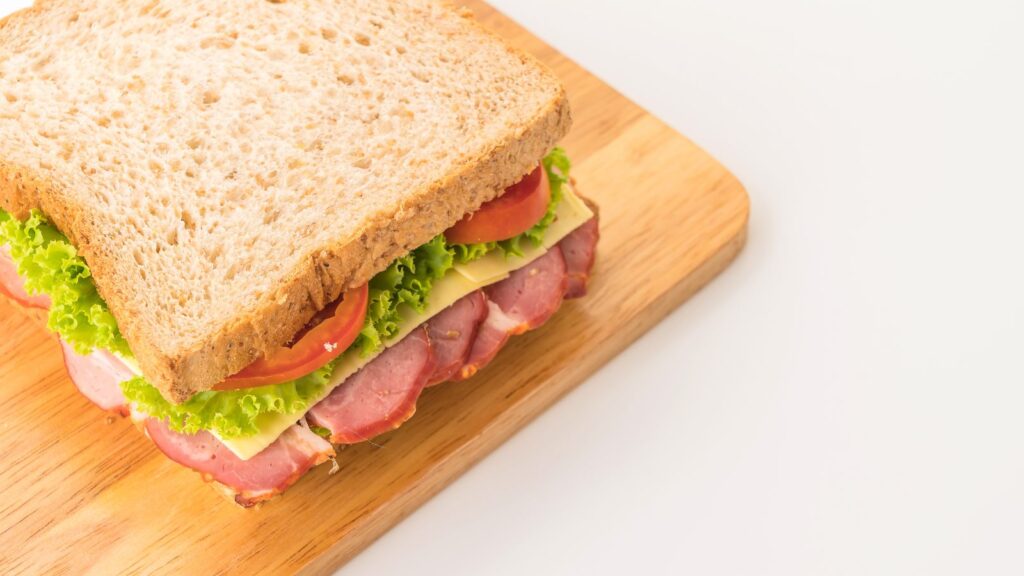
Not Checking the Ingredient Label
Bologna can vary quite a bit from one package to another. Some versions contain more sodium, added fillers, preservatives, or different types of meat than others.
Before tossing a package into your cart, take a quick look at the ingredient list and nutrition panel. If you have dietary restrictions or are watching your sodium intake, this step is especially useful.
There are also versions made with turkey, chicken, beef, and other meat combinations, so don’t assume every type of bologna tastes or cooks the same way.
Related: 10 Common Kitchen Mistakes That Make Food Go Bad Faster
Assuming All Bologna Has the Same Protein Quality
Bologna is processed meat, but the nutritional profile can vary between products. Some contain more protein and less fat than others.
Rather than judging every package the same way, check the nutrition label. Turkey or chicken bologna may have a different calorie and fat content from traditional pork or beef varieties.
Bologna can still be an occasional part of a balanced diet. Pairing a modest serving with vegetables, whole-grain bread, or other nutritious foods makes for a more complete meal.
Making the Same Plain Sandwich Every Time
There’s nothing wrong with a classic bologna sandwich. White bread, mustard, and a few slices of bologna can hit the spot.
Still, bologna works in plenty of other meals. Try frying it and serving it with eggs, adding chopped pieces to a breakfast scramble, or using it in a grilled sandwich with cheese and vegetables.
A little variety can keep this old-school lunch meat from becoming boring.
Related: 17 Food Debates That Americans Still Can’t Agree On
Cooking It Without Scoring the Edges
Anyone who has fried bologna knows what happens when you drop a full round slice into a hot pan: the middle can puff up while the edges curl.
Cutting a few small slits from the outside toward the center before cooking helps the slice stay flatter. You can also make a small hole in the middle if that’s the way you like your fried bologna.
Cook it over medium heat until the edges brown and the surface gets a little crisp. Keep an eye on it because thin slices can cook quickly.
Overcooking It
Bologna doesn’t need a long time in the pan. Leaving it over high heat for too long can make the edges tough and the center dry.
For a basic fried bologna sandwich, a couple of minutes per side is often enough, depending on the thickness of the slices and the heat of your pan.
You’re looking for browned edges and a little crispness, rather than a completely dried-out slice.
Related: 16 Food-Producing Plants That Are Perfect for Small Indoor Spaces
Forgetting About Acidic Toppings
Bologna is salty, rich, and fairly fatty, so something tart can help balance the flavor.
Pickles and yellow mustard are classics for a reason. Vinegar-based slaw, pickled onions, banana peppers, or other tangy toppings can also work well.
That little hit of acidity keeps the sandwich from tasting too heavy and adds some much-needed contrast.
Serving Huge Portions
Because bologna is usually sold in thin slices, it can be easy to keep adding another one to the sandwich.
A few slices are usually enough for a sandwich, particularly if you’re adding cheese, vegetables, condiments, and other fillings. Check the serving information on the package if you’re keeping track of sodium, calories, fat, or protein.
There’s no need to turn a simple sandwich into a stack of meat just because the slices are thin.
Related: 15 Foods Surprisingly Linked to Microplastic Exposure
Always Using White Bread
White bread is a perfectly valid choice for a nostalgic bologna sandwich, but it’s far from the only option.
Whole-grain bread can add fiber and a heartier texture. Rye, sourdough, wheat, and multigrain bread can also bring more flavor to the sandwich.
If your usual bologna sandwich feels a little boring, changing the bread may be all it takes to give it a different feel.
Leaving Out Fresh Toppings
A sandwich made from nothing but bread, bologna, and mayonnaise can taste pretty heavy.
Adding lettuce, tomato, onion, cucumber, or pickles gives the sandwich some crunch and freshness. A ripe summer tomato and mustard, for example, make a simple fried bologna sandwich feel much more complete.
Garden & Gun shared a nostalgic take on fried bologna from Andy Marshall, who recalled his father scoring the edges before cooking it and serving it with Miracle Whip and summer tomato. His own preference was mustard and pickles.
Those small personal touches are part of what makes bologna sandwiches so fun.
Storing an Open Package Incorrectly
Once you’ve opened a package of bologna, don’t leave it loosely wrapped in the refrigerator. Keep it tightly sealed in its original packaging or transfer it to an airtight container or bag.
Texas Real Food recommends keeping bologna refrigerated at about 34°F to 40°F and consuming it within five days of opening.
Check the package instructions, too. If the meat develops an unusual smell, appearance, or texture, it’s safer to throw it away than take a chance.
Ignoring Lower-Sodium Options
Traditional bologna can contain a fair amount of sodium. If you’re trying to reduce your salt intake, compare nutrition labels instead of assuming every brand contains roughly the same amount.
US Wellness Meats discusses the sodium content of bologna and some of the concerns associated with eating highly processed meats.
Lower-sodium versions can be worth trying, but still check the label. “Lower sodium” doesn’t automatically mean low sodium.
Adding Too Much Oil to the Pan
Bologna already contains fat, so you usually don’t need to pour a lot of cooking oil into the skillet.
A nonstick pan can often handle the job without added oil. If your pan needs a little help, a light coating is plenty.
Too much oil can leave the slices greasy and make an already rich sandwich feel heavier than it needs to be.
Always Buying the Thinnest Pre-Sliced Bologna
Thin packaged slices are convenient, especially for school lunches or quick sandwiches. But thicker deli-style bologna can give you a completely different eating experience.
Ask the deli counter to slice it thicker if that’s available. The extra texture makes a difference, especially if you’re frying it.
You might also find that different brands and varieties have noticeably different textures, so trying a few can help you find a favorite.
Never Trying Other Varieties
American bologna is just one version of the broader family of cooked sausages.
Italian mortadella, for example, has a coarser texture and visible pieces of fat. Food Republic explains some of the differences between mortadella and American bologna.
Trying mortadella or other regional sausages can be a fun way to see where the familiar lunch meat came from and how different preparations compare.
Leaving the Casing On
Some bologna comes with an outer casing that needs to be removed before eating. Not every casing is the same, so check the package instructions rather than assuming it’s edible.
If the casing is marked as inedible, peel it away before slicing or cooking. Leaving it on can give the meat a chewy texture that nobody wants in a sandwich.
Never Experimenting With Seasonings
Bologna already has plenty of seasoning, but that doesn’t mean you can’t add more flavor.
Paprika, black pepper, garlic powder, cayenne, hot sauce, or fresh herbs can all work depending on what you’re making. The University of Wyoming Extension discusses bologna and some of the seasonings commonly used in it.
Start with a small amount since bologna is already salty. A little mustard, a pinch of pepper, or some hot sauce can completely change the sandwich without making it complicated.
Bologna may have a reputation as a basic lunch meat, but there’s plenty of room to play around with it. A better brand, a quick sear, a few crisp toppings, or a different type of bread can make a familiar sandwich taste much better.