Fish has a reputation for being tricky to cook, and it’s easy to see why. A fillet can go from perfectly tender to dry and rubbery in just a few extra minutes. Many home cooks also aren’t sure which fish works best with a particular cooking method, how much seasoning to use, or how to tell when the fish is done.
That uncertainty shouldn’t keep anyone from making seafood at home. A little practice and a few basic techniques can make a big difference. From choosing the right fish to giving it a few minutes to rest after cooking, these common mistakes are easy to avoid.
Here are 10 habits that can get in the way of a great fish dinner, along with simple ways to fix them.
Not Understanding Fish Types
Fish vary widely in flavor, fat content, texture, and firmness, so one cooking method won’t work for every variety. A delicate white fish such as sole can fall apart on a hot grill, while a fattier fish such as salmon tends to handle higher heat much better.
Before buying fish for a recipe, check whether it’s lean, oily, firm, or delicate. If you’re shopping at a fish market, ask the fishmonger how they recommend cooking that particular variety. A quick conversation can save you from choosing a fish that doesn’t suit your recipe.
Related: 13 Outdated Cooking Tools You Need to Stop Using
Overcooking Fish
Overcooking is probably one of the most common fish-cooking mistakes. Fish doesn’t need much time over heat, and a couple of extra minutes can make the difference between moist, flaky meat and something dry and chewy.
The USDA recommends cooking fish to an internal temperature of 145°F. A food thermometer makes it much easier to check the temperature instead of guessing.
Some recipes also use the 10-minute-per-inch guideline as a rough starting point. Keep in mind that cooking time varies based on the fish, cooking method, and thickness of the fillet.
Using Too Much Seasoning
Fish has a naturally delicate flavor, so heavy seasoning can easily take over the dish. Strong spice blends may work well with certain varieties, but a mild fish can get lost beneath too many competing flavors.
Fresh herbs, lemon zest, garlic, black pepper, paprika, and a little olive oil are simple choices that work with many types of seafood. Marinades can also add flavor, but don’t leave delicate fish sitting in an acidic marinade for too long, since the texture can change.
Related: 16 Uses for Salt That Don’t Involve Cooking
Skipping Fish Preparation
A little preparation before cooking can save you from unpleasant surprises at the table. Fish may still have small bones, scales, or bits of skin that need attention before it goes into the pan.
Run your fingers gently over a fillet to find pin bones, then remove them with clean kitchen tweezers or fish pliers. If you’re cooking a whole fish, check that it has been properly scaled and cleaned.
If you’re unsure how to prepare it, ask the fishmonger to do the work for you. Many seafood counters will clean, scale, and portion fish upon request.
Using the Wrong Cooking Method
The best cooking method depends heavily on the type of fish you’re using. Lean varieties such as cod, haddock, and halibut can dry out if they’re exposed to too much direct heat for too long. Oily fish such as mackerel and salmon can handle grilling and pan-searing well.
Poaching, steaming, and baking can work well for lean fish because these methods can keep the meat moist. Firmer or fattier varieties often work nicely on the grill or in a skillet.
Think about the texture of the fish before deciding how to cook it.
Crowding the Pan
Trying to fit too many fillets into one pan can prevent them from developing a good sear. Instead of browning properly, the fish releases moisture and starts to steam.
Leave some space between each piece so heat can circulate around the fish. If your skillet isn’t large enough, cook the fillets in batches.
It may take a few extra minutes, but you’ll get a much better crust and more even cooking.
Related: 15 Common Mistakes Almost Everyone Makes When Cooking Pasta
Flipping Fish Too Often
Fish fillets can be fragile, especially when they’re thin. Flipping them repeatedly increases the chance that they’ll break apart or stick to the pan.
A thin, flexible fish spatula is one of the best tools for the job. Let the fish cook undisturbed until it has developed a crust and begins to release from the pan. Then slide the spatula underneath and turn it gently.
In many cases, one flip is all you need.
Cutting Into Fish Right Away
Fish doesn’t need a long resting period, but giving it a couple of minutes off the heat can help it finish cooking and settle.
Once the fish comes out of the oven or skillet, transfer it to a plate and let it sit for two or three minutes. There’s no need to wrap it tightly in foil, since trapped steam can soften a crisp crust.
This short pause also gives you time to finish a sauce, squeeze some lemon over the top, or get the rest of dinner onto the table.
Buying Poor-Quality Fish
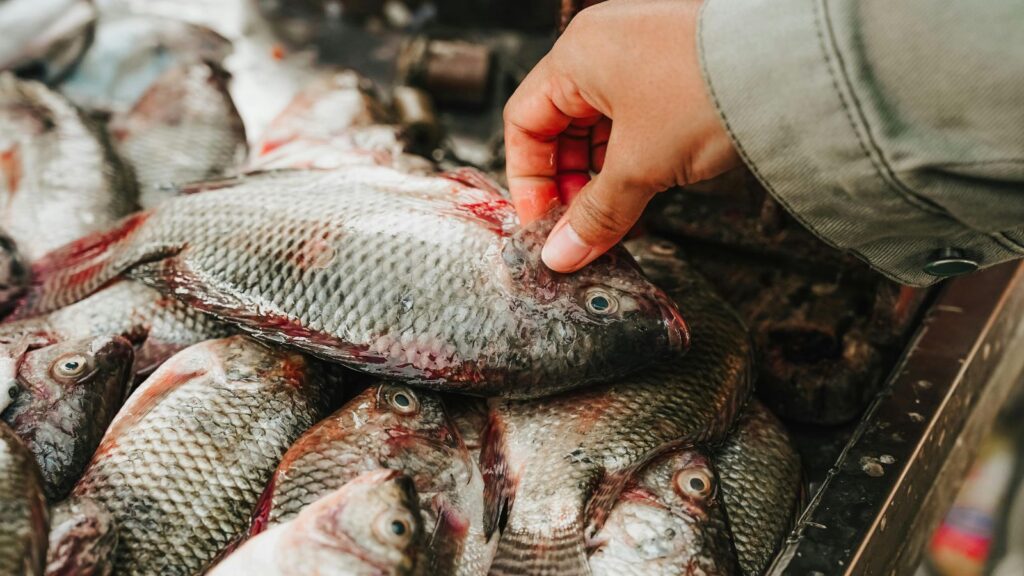
Even a great recipe can’t rescue fish that wasn’t fresh or stored properly. Pay attention to the appearance and smell of seafood before buying it.
Fresh whole fish should have clear, bright eyes, shiny skin, and a clean smell reminiscent of the sea. Fish fillets should look moist and firm rather than dry, mushy, or discolored.
Buy seafood from a store or fish market you trust, and keep it properly chilled between the store and your kitchen. If something smells strongly sour or unpleasant, it’s better to leave it behind.
Relying Entirely on Guesswork
Cooking fish becomes much less stressful once you know what to look for. Instead of guessing whether a fillet is finished, pay attention to its color, texture, and internal temperature.
A thermometer is especially useful while you’re still getting familiar with different varieties. Cookbooks, reliable recipes, cooking videos, and hands-on classes can also help build confidence with methods such as poaching, broiling, baking, and pan-searing.
The more fish you cook, the easier it becomes to recognize when it’s ready.
A Better Fish Dinner Starts With a Few Simple Habits
Cooking fish doesn’t have to feel like a high-risk dinner experiment. Choose a variety that suits your recipe, prepare it properly, keep the seasoning balanced, and watch the cooking time closely.
A thermometer can take much of the guesswork out of doneness, while a good fish spatula can make pan-cooking much easier. With a few meals under your belt, you’ll have a better feel for how different types of fish behave in the kitchen.