There are an estimated 73,000 tree species around the world, and most play an important role in keeping our landscapes healthy and beautiful. They provide shade, improve air quality, support wildlife, and make neighborhoods more enjoyable places to live. Still, a handful of trees found in the United States can create serious problems. Some contain highly toxic compounds, others have brittle wood that breaks without warning, and a few spread aggressively, crowding out native plants and damaging property.
Here are 15 trees that deserve a little extra caution.
Manchineel Tree
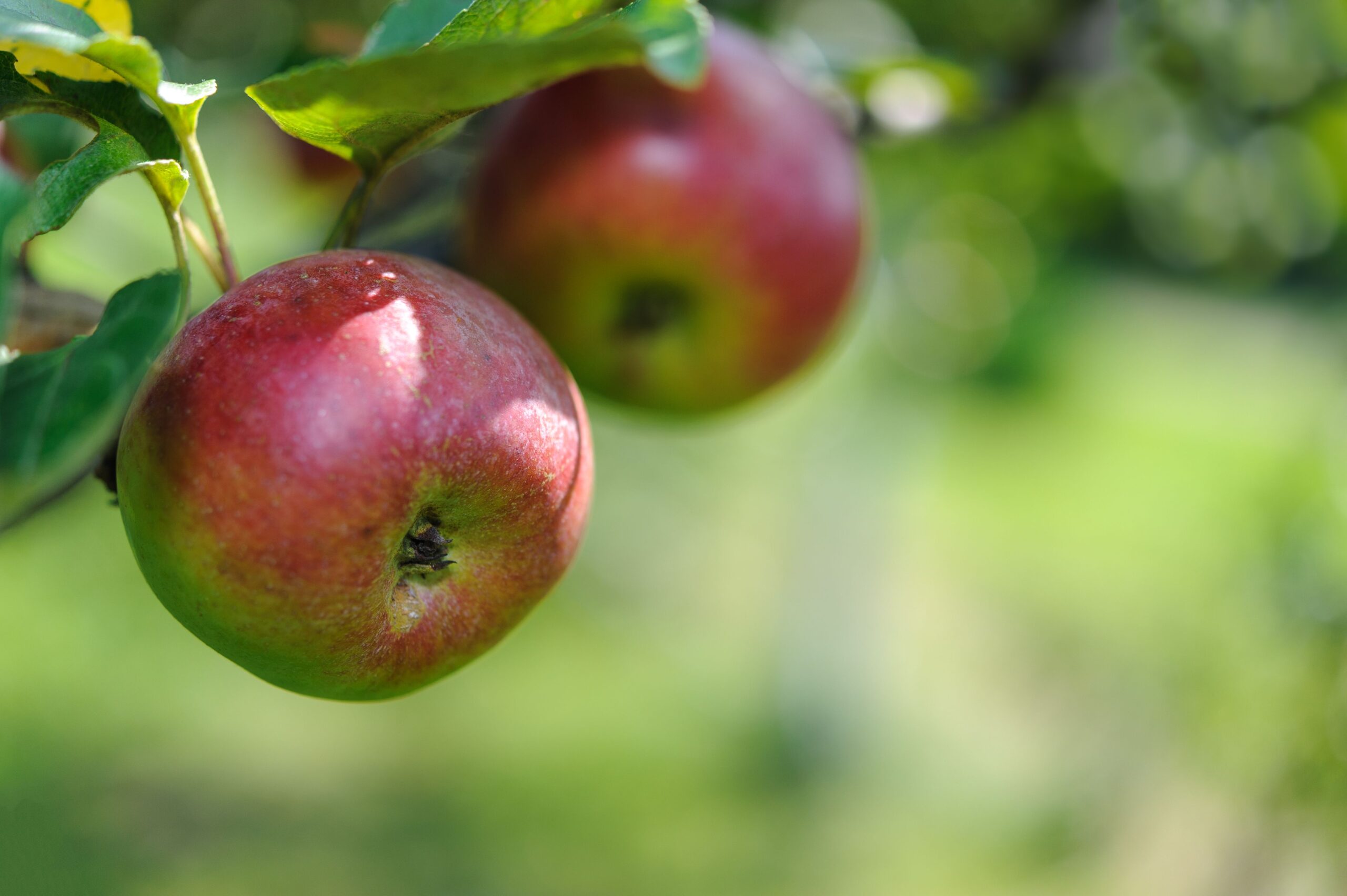
The Manchineel tree has earned a reputation as one of the most dangerous trees on Earth. Every part of the tree contains toxic compounds, including the sap, which can cause severe blistering if it comes into contact with your skin. Its small green fruit, sometimes called the “Manchineel apple,” is poisonous if eaten.
This tree grows mainly in southern Florida and throughout the Caribbean. Even standing beneath it during a rainstorm can be risky because rainwater can carry traces of the sap onto exposed skin.
Related Article: 15 Shade-Loving Plants That Thrive Under Trees
Poison Sumac
Poison Sumac grows in swamps and other wet areas across the eastern United States. Like poison ivy and poison oak, it contains urushiol, an oily substance that can trigger an intense allergic reaction.
Touching the leaves, stems, or branches may leave you with an itchy, blistering rash that can last for weeks. Since Poison Sumac is often mistaken for harmless shrubs, people sometimes brush against it without realizing the danger.
Giant Hogweed
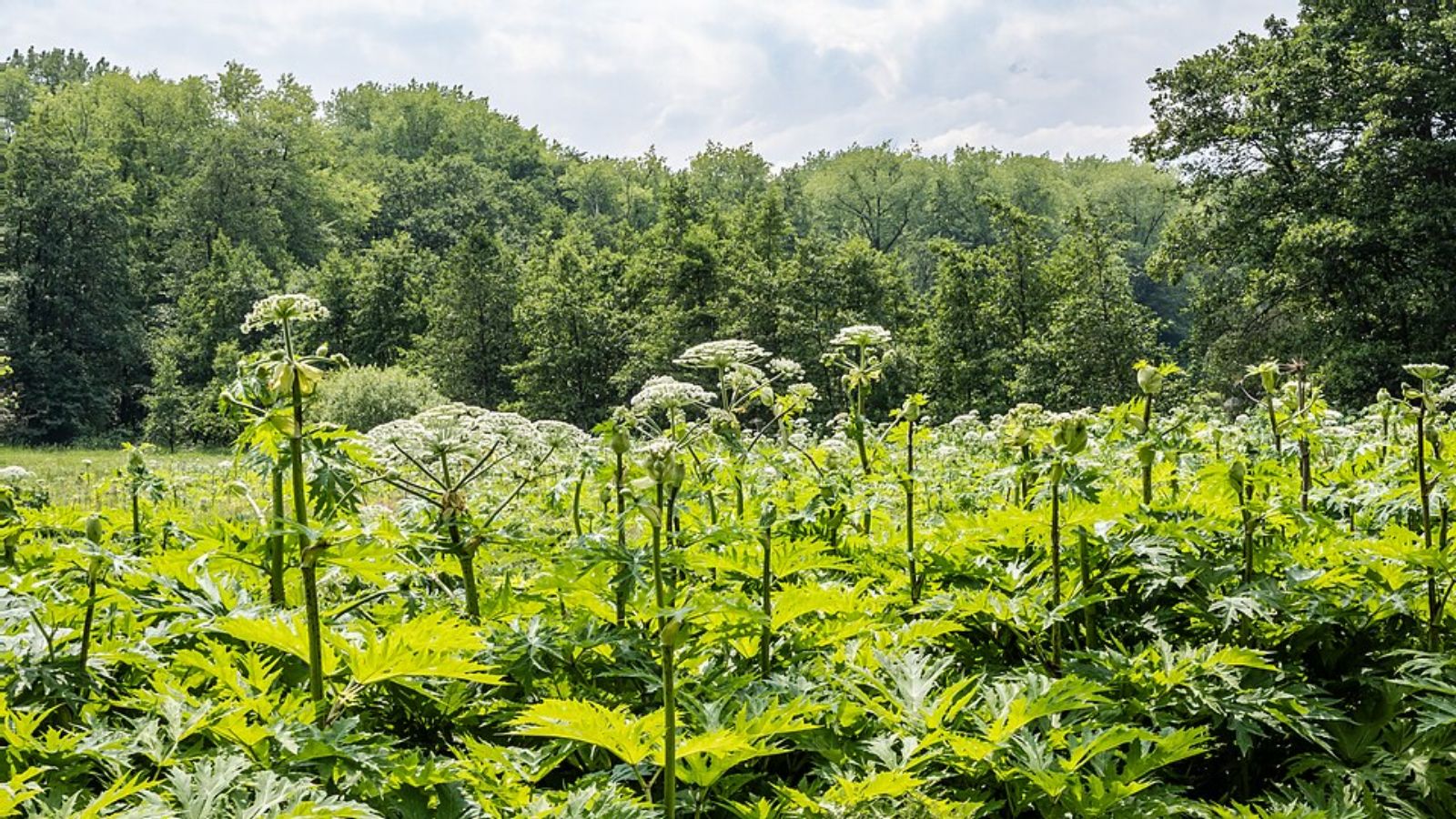
Giant Hogweed can reach heights of 14 feet or more, making it hard to miss. The real danger comes from its sap, which reacts with sunlight and can cause severe burns, painful blisters, and long-lasting skin discoloration.
The plant is found mainly in the northeastern United States, where many states actively work to remove it. Anyone attempting to handle Giant Hogweed should wear protective clothing and avoid exposing the sap to their skin.
Black Walnut
Black Walnut trees are prized for their hardwood and edible nuts, but they release a natural chemical called juglone into the soil.
Juglone prevents many nearby plants from growing properly, making it difficult to maintain gardens or landscaping around these trees. While the tree poses little danger to people, it can change the surrounding environment by reducing the variety of plants that survive nearby.
Related Article: 12 Worst Trees to Put in Your Yard
Bradford Pear
Bradford Pear trees became popular because of their fast growth and attractive spring flowers. Over time, though, many homeowners discovered their biggest flaw.
Their branches develop weak connections that split easily during strong winds, heavy rain, or snowstorms. Many trees begin falling apart after only a couple of decades. Bradford Pears also spread aggressively into natural areas, where they crowd out native plants.
Australian Pine
Despite its name, the Australian Pine is not a true pine tree. It has spread throughout coastal Florida, where it grows quickly and often reaches heights of 100 feet.
Its shallow root system makes it vulnerable during hurricanes and strong winds, increasing the chance that the tree will topple. It also releases chemicals into the soil that make it difficult for native plants to grow.
Eastern Cottonwood
Eastern Cottonwoods grow quickly and provide welcome shade along rivers and open spaces. Their size, though, comes with drawbacks.
The wood is relatively weak, and large limbs can snap without much warning during storms or periods of high wind. Older trees often require regular inspections to reduce the risk of falling branches.
Related Article: 10 Surprising Benefits of Planting Trees in Your Yard
Tree-of-Heaven
Tree-of-Heaven lives up to its reputation as one of the country’s most aggressive invasive trees.
It grows almost anywhere, spreads through underground roots, and quickly takes over vacant lots, roadsides, and disturbed land. Its extensive root system can damage sidewalks, driveways, retaining walls, and even building foundations, making it difficult and expensive to remove.
Box Elder
Box Elder trees are common across much of North America because they grow quickly and tolerate many conditions.
Unfortunately, they are vulnerable to insects and disease, which weakens their branches and increases the risk of breakage. They also attract large numbers of box elder bugs, which often gather around homes in the fall and become an ongoing nuisance.
Honey Locust
Honey Locust trees are easy to recognize by their long, sharp thorns. Some can grow three inches or longer and are strong enough to puncture tires, injure livestock, or cause painful wounds.
Although the trees provide good shade and tolerate poor soil, they are usually poor choices near sidewalks, playgrounds, or places where children and pets spend time.
Silver Maple
Silver Maples are popular because they grow fast and quickly create a shady yard.
Their soft wood is prone to cracking during storms, making broken limbs a common problem. The roots can also spread aggressively beneath sidewalks, driveways, and underground pipes, leading to costly repairs over time.
Oleander
Oleander is widely planted across the southern United States because it produces colorful flowers and tolerates heat and drought.
Despite its appearance, every part of the plant is poisonous. The leaves, flowers, stems, and sap all contain compounds that can cause nausea, vomiting, heart problems, and, in severe cases, death if swallowed. Families with children or pets should think carefully before planting it.
Black Locust
Black Locust trees produce durable, rot-resistant wood, but they come with several drawbacks.
The bark, seeds, and leaves contain toxic compounds that can make people and animals sick if consumed. In many parts of the country, Black Locust spreads aggressively, forming dense stands that crowd out native vegetation.
Mimosa Tree
Mimosa trees are admired for their fern-like leaves and fluffy pink flowers, but they have a reputation for being fragile.
Their branches break easily during windstorms, creating maintenance headaches for homeowners. In many southeastern states, Mimosa trees also spread well beyond landscapes and compete with native plants for space and sunlight.
Ponderosa Pine
Ponderosa Pines are among the tallest trees in the western United States and are generally sturdy.
Still, their needles and bark contain compounds that can be harmful to livestock if eaten, particularly cattle. These trees are also vulnerable to bark beetle infestations, which weaken them over time and increase the chance of trees or large branches falling during storms.