

Many homeowners take pride in their ability to tackle home repairs independently. With countless resources available, like online tutorials and videos, it can be tempting to do any repair without seeking professional help.
But not all repairs are safe to do yourself. Some jobs require licenses or permits to ensure safety and compliance with local laws. Engaging in these illegal repairs can lead to costly fines and complications.
Electrical Wiring Repair

Electrical wiring is one area where DIYers should be especially cautious. In most places, homeowners are not legally allowed to do any electrical work without a permit and proper training. This restriction is because working with electricity can be extremely dangerous, and mistakes can lead to electrocution or fires. If you need any electrical repair, consult a licensed electrician.
Plumbing Jobs
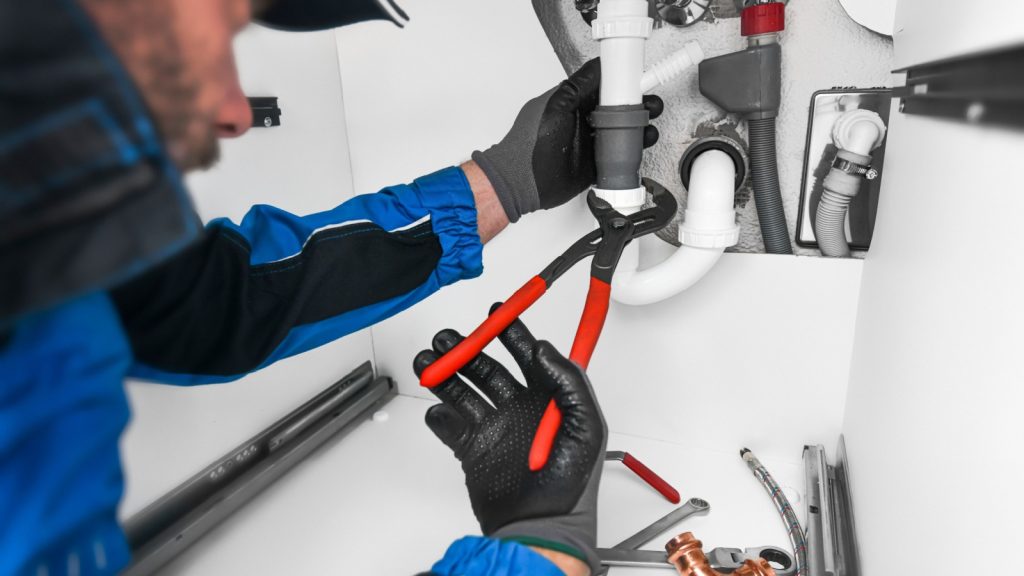
Plumbing may seem like a simple task, but it also requires specific skills and knowledge. Without proper experience, attempting plumbing repairs can result in damaged pipes, leaks, or even flooding. Also, some states require homeowners to obtain a permit before performing any plumbing work, including minor repairs like fixing a leaky faucet.
HVAC Systems

Heating, ventilation, and air conditioning (HVAC) systems are complex and require specialized training to repair or install properly. Not only is it illegal for homeowners to handle these systems on their own, but it can also be dangerous. Incorrect installation or repairs can lead to carbon monoxide leaks or fire hazards.
Roof Repairs

Roofing projects may seem straightforward, but they can pose significant risks. Working on a roof requires proper safety equipment and knowledge of navigating steep angles safely. Without these precautions, there is a high risk of falls or injuries. Also, improperly repaired roofs can lead to leaks and damage to the structure of your home.
Gas Appliance Repairs

Gas appliance repairs are highly regulated due to their potential hazards. Gas lines and connections must be handled with extreme care to prevent gas leaks that can lead to fires or explosions. It is always best to leave any gas appliance repairs or installations to trained professionals who can handle them safely.
Structural Repair

Structural repairs involve anything that affects a building’s stability, such as load-bearing walls or foundations. These repairs require specific knowledge and expertise to ensure safety and compliance with building codes. Attempting these repairs without proper training can lead to severe structural damage, putting your home and its occupants at risk.
Water Heater Repair
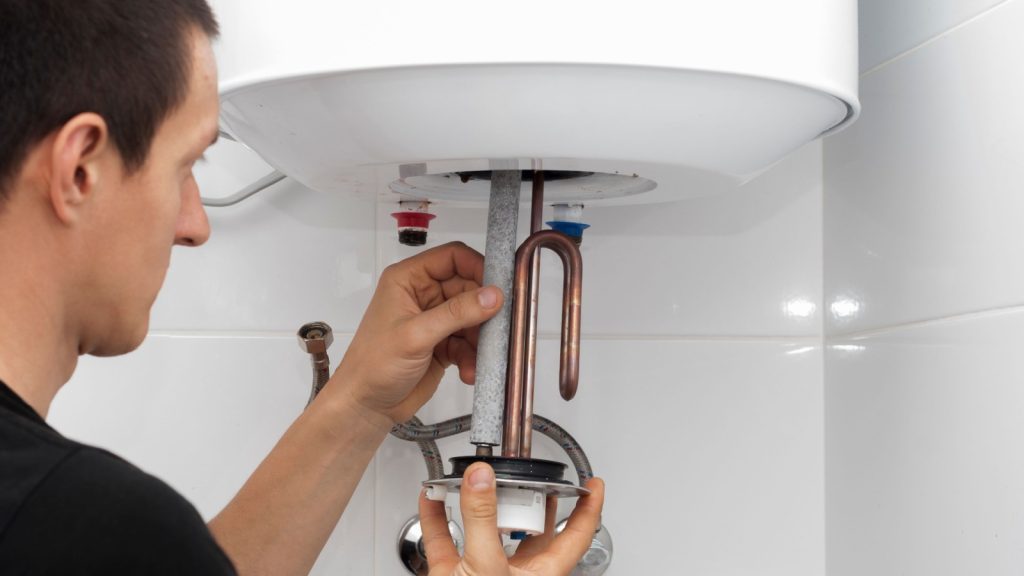
Water heaters are essential household appliances that require occasional maintenance and repairs. However, in most states, homeowners cannot perform electrical or plumbing work on water heaters themselves. A licensed professional should handle all aspects of water heater repair to ensure the safety of your home and family.
Garage Door Repair

Garage doors may seem simple enough to fix, but they are complex systems that require specialized knowledge and tools. Attempting to repair a garage door without the proper training can lead to severe injuries or damage to your car or property. Additionally, tampering with a garage door’s safety features can render them ineffective, putting you and your family at risk.
Pool Repair

Maintaining a pool can be a fun and rewarding experience, but some repairs are not meant for DIYers. Pool pumps and filters require electrical work, which is typically illegal for homeowners to handle without proper permits and training. Also, any structural repairs or upgrades must comply with local building codes to ensure the safety of those using the pool.
Fence Repairs
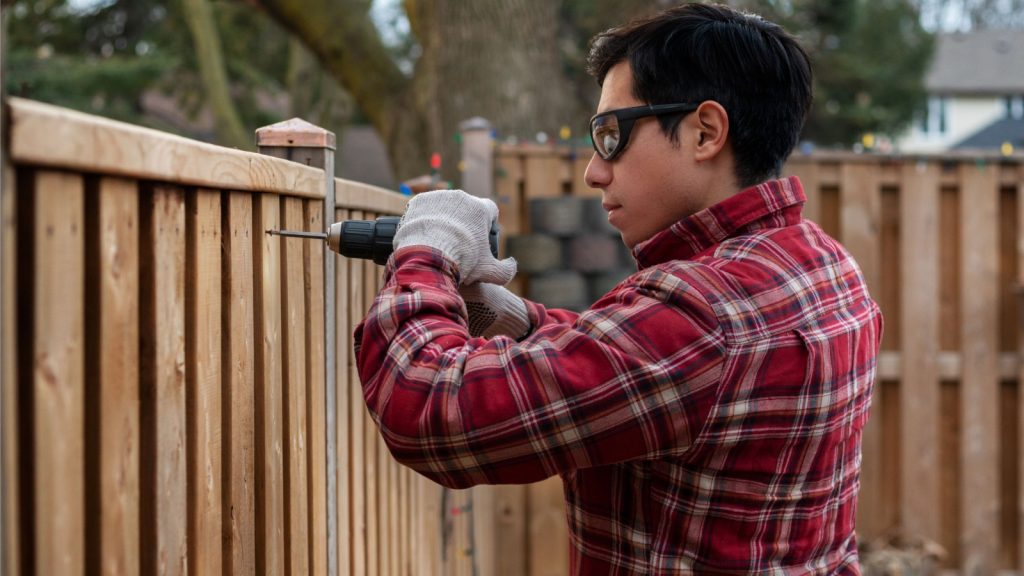
Fences are essential to a home’s security and privacy, but they can also pose safety risks if not repaired correctly. In many states, homeowners must obtain a permit before repairing or installing a fence. If they attempt to do it themselves without proper licenses or knowledge, they risk fines and having to redo the work.
Window Replacement

Replacing windows may seem simple, but it is more complicated. Improper installation can lead to energy inefficiency and water leaks, damaging your home. Additionally, some states have window replacement regulations requiring specific certifications or permits.
Asbestos Removal

Asbestos is a hazardous material commonly found in older homes. Attempting to remove asbestos without proper training and equipment can release harmful fibers into the air, putting you at risk for lung disease or cancer. Also, you could face hefty fines and legal consequences for violating laws and regulations surrounding asbestos removal.
Lead Paint Removal

Lead paint is hazardous when disturbed. Homeowners should never attempt to remove it and should seek a licensed professional who can handle and dispose of it safely. Not doing so can result in health risks, legal consequences, and damage to their homes.