


Why would anyone want to kill something? Well, maybe not directly “kill,” but millennials are changing the landscape of various industries and causing some traditional businesses to falter. From the rise of technology and social media to shifting attitudes towards consumerism, millennials are often the driving force behind these changes.
In this article, we will explore 17 common things millennials are supposedly killing and why they may be doing so.
Diamonds

Millennials have been blamed for “killing” the diamond industry because they prefer ethically sourced gemstones and non-traditional engagement rings. This preference has led to a shift in the diamond market and increased demand for alternative stones, such as moissanite or lab-grown diamonds.
Traditional Weddings
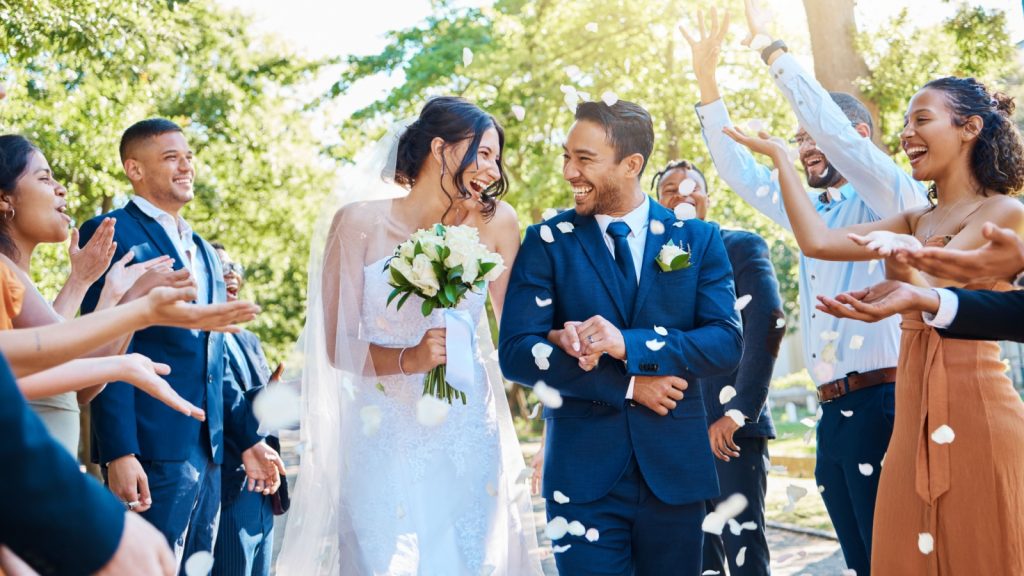
Millennials are also changing the wedding industry by opting for smaller, more intimate weddings and unconventional venues. They often prioritize personalization and experiences over expensive traditional weddings.
Homeownership

Rising housing costs and student loan debt make homeownership less attainable for many millennials. This economic situation has made them shift towards
Traditional Television

Streaming services like Netflix and Hulu have become more popular among millennials, leading to a decline in traditional television viewership. This shift has also influenced the advertising industry, with companies now focusing on digital marketing and influencer partnerships.
Fast Fashion

Millennials are becoming more conscious of their environmental impact and turning away from fast-fashion brands contributing to pollution and labor exploitation. As a result, there has been an increase sustainably and ethically options.
Traditional Advertising

With millennials spending most of their time online, traditional forms of advertising like TV commercials and print ads have become less effective. Companies are investing more in social media influencers and targeted online advertisements to reach this generation.
Traditional Banking

The convenience of online banking and alternative financial services like Venmo has led to a decline in traditional banking among millennials. Millennials prioritize technology-driven solutions for their financial needs, leading to the closure of many brick-and-mortar bank branches.
Bar Soap

Millennials are shifting away from bar soap and favor liquid body washes and other skincare products. Convenience, hygiene concerns, and a growing interest in natural and eco-friendly products drive this preference.
Traditional Beer

The rise of craft beer and millennials’ health-consciousness has led to a decline in traditional mass-produced beers. This generation is willing to spend more on high-quality, locally sourced craft brews that align with their values.
Home Cooking

With busy lifestyles and an emphasis on convenience, home cooking has become less common among millennials. Instead, they are turning towards meal delivery services or dining out for their meals.
Breakfast Cereal

Cereal sales have declined among millennials who prefer quick, on-the-go breakfast options like smoothies or energy bars. Health concerns and a desire for more diverse and nutritious breakfast choices also contribute to this shift.
Department Stores

Millennials’ preference for online shopping has led to the decline of department stores. This generation values convenience and a personalized shopping experience, which they can find through online retailers and subscription services.
Traditional Gyms

The rise of boutique fitness studios and home workout options has led to a decline in traditional gym memberships among millennials. These alternatives offer more variety and flexibility, which appeals to this generation’s active and busy lifestyle.
Relationship Norms

Millennials challenge traditional relationship norms and opt for non-traditional partnerships, such as open relationships or cohabitation without marriage. This shift reflects their values of independence and choice in their personal lives.
Strong Handshakes

Millennials are often criticized for their weak handshakes, but this practice could be due to a cultural shift towards less formal greetings. This generation values authenticity and may prefer alternative greetings or showing respect.
Traditional Office Culture

With the rise of remote work and flexible schedules, millennials are changing traditional office culture. They prioritize work-life balance and value workplace diversity and inclusivity, leading to company policies and culture changes.
Formal Attire

Millennials are often associated with the “athleisure” trend, where comfortable and casual clothing is favored over formal attire. This association has led to a decline in sales of traditional dress pants as more millennials prioritize comfort and self-expression in their fashion choices.