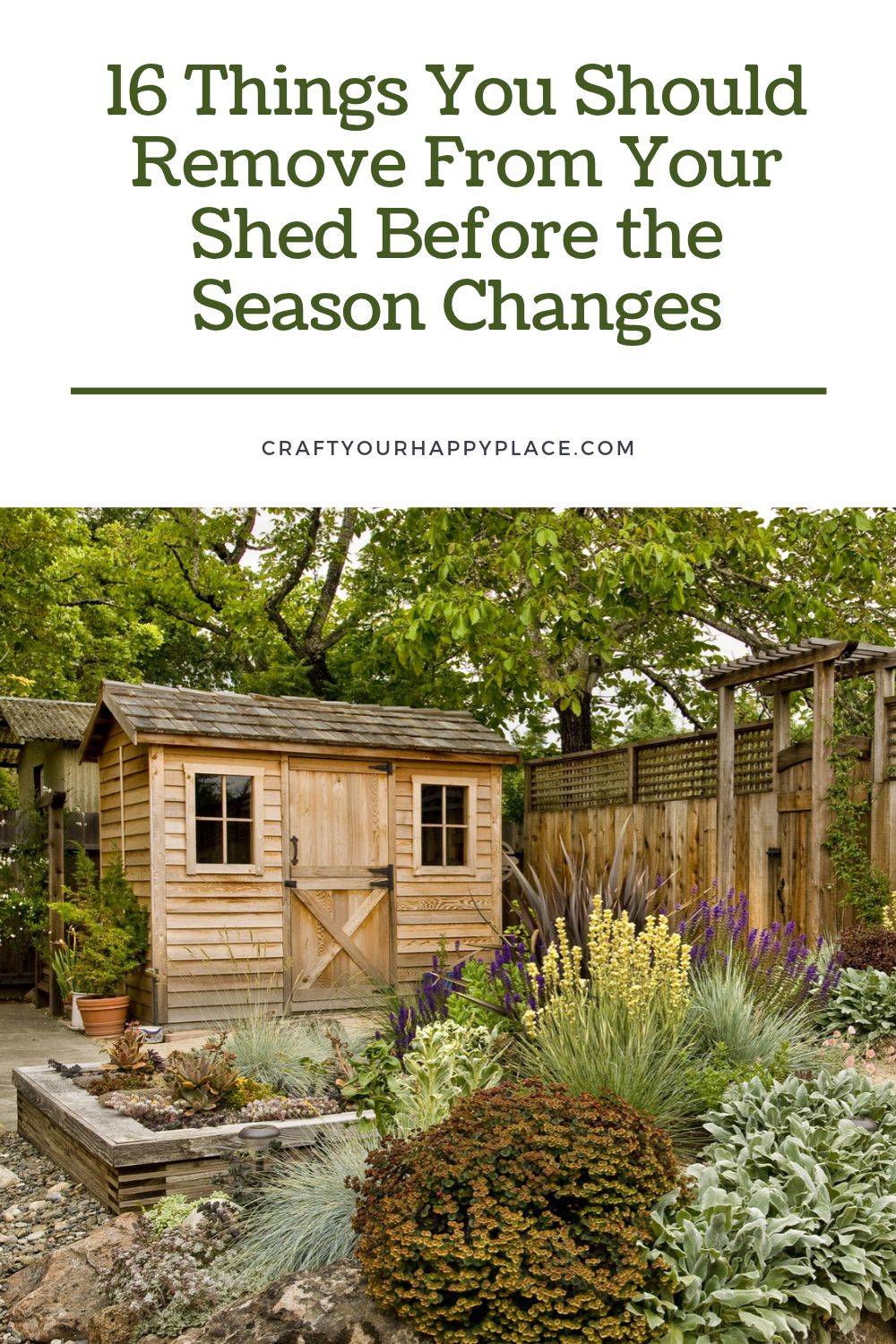
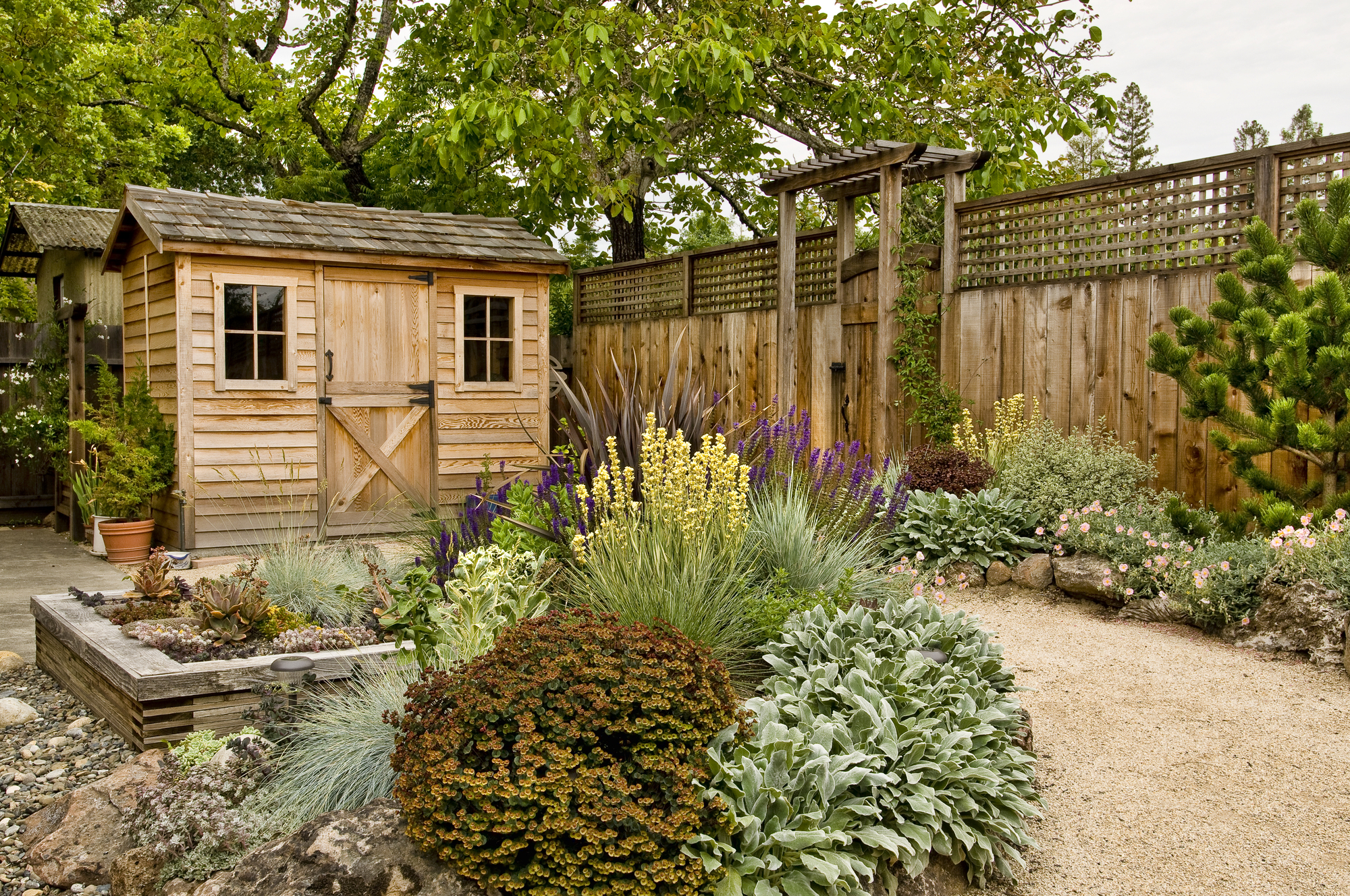
A garden shed can be a handy place to keep lawn equipment, gardening tools, and outdoor supplies. But it’s easy for it to become the place where everything ends up when there’s no room left inside the house.
The trouble is that most sheds aren’t built to protect belongings from changing temperatures and moisture. They can get hot and stuffy in the summer, freeze in the winter, or become damp after several days of rain. Those conditions can cause rust, mold, warping, and other damage that may go unnoticed until you need something again.
Some items can handle being stored in a shed, but plenty of household belongings are better off indoors. Before you move another box out there, take a look at these 16 things that shouldn’t be left in your shed for an entire season.
Artwork
Paintings, framed prints, photographs, and other artwork can suffer when exposed to changing temperatures and humidity. Moisture can cause mold, damage frames, and warp paper or canvas, so keep your artwork wrapped and stored in a dry, temperature-controlled room inside your home.
Food
Leaving food in a shed is an easy way to attract mice, rats, insects, and other pests looking for something to eat. Even canned goods aren’t a safe bet because extreme temperatures can affect food quality, while moisture can cause cans and metal lids to rust.
Paint
Leftover paint might seem like something you can tuck away in the shed until your next home project, but temperature changes can ruin it. Freezing can cause paint to separate or become lumpy, while excessive heat can affect its consistency, so follow the label’s storage instructions and keep it in a suitable indoor location.
Cleaning Supplies
Cleaning products can lose their effectiveness if they’re exposed to extreme heat or freezing temperatures for long periods. Some containers may also leak, swell, or become damaged, so store household cleaners according to their labels in a secure place away from children and pets.
Important Documents
Birth certificates, passports, insurance papers, legal records, and family photographs should never be left in a shed. Humidity can damage paper, mold can spread across photographs, and rodents may chew through boxes, so keep these belongings in a dry, secure spot indoors.
Valuable Electronics
Computers, televisions, speakers, cameras, and other electronics can suffer from prolonged exposure to heat and humidity. Moisture can collect inside the devices and damage their components, so it’s much safer to keep expensive electronics in a room with stable indoor temperatures.
Prescription Medications
Most prescription medications have specific storage requirements, and leaving them in a shed can expose them to temperatures outside their recommended range. Heat, cold, and moisture can affect their quality, so keep medications in their original packaging and follow the storage instructions from your pharmacist or on the label.
Books
That overflowing bookshelf might tempt you to move a few boxes of books into the shed, but the conditions out there can ruin them. Damp air can cause pages to wrinkle, covers to warp, and mold to develop, so store books on dry shelves inside your home instead.
Alcohol
Beer, wine, and other alcoholic drinks can suffer when stored somewhere with large temperature swings. Heat can affect their flavor and quality, while freezing temperatures may cause bottles to crack or their contents to expand, so keep them in a cool, dark indoor location suited to the type of drink.
Propane Tanks
Never store propane tanks inside an enclosed shed because a leak could allow flammable gas to collect. Keep them upright outdoors in a well-ventilated area, away from ignition sources, following the manufacturer’s instructions and local fire safety rules.
Insecticides and Pesticides
Pesticides and insecticides can become less effective or break down when exposed to unsuitable temperatures. Some products may also create safety risks if their containers are damaged, so follow the label’s storage directions and keep them in their original containers, secured away from children, pets, and food.
Firewood
A shed may seem like a convenient place to stack firewood, but damp conditions can encourage mold and attract insects. Store firewood outdoors on a raised rack with good airflow, away from your home’s walls, doors, and windows, and keep it covered on top while leaving the sides open.
Unused Furniture
Extra chairs, old dressers, and spare tables can take up a lot of room in a shed, but moisture can cause lasting damage. Wooden furniture may swell or warp, metal parts can rust, and upholstered pieces can develop mold and musty odors, so consider an indoor or climate-controlled storage space instead.
Rugs and Carpets
Rolling up an extra rug and leaving it in the shed can lead to problems you might not notice until you unroll it again. Moisture can cause mildew and unpleasant odors, while insects and rodents may damage the fibers, so clean and dry rugs thoroughly before storing them indoors in a protected area.
Clothing
Old coats, seasonal clothes, blankets, and spare bedding shouldn’t be left in an outdoor shed for months. Fabric can absorb moisture and develop musty smells, while moths, mice, and other pests may damage the material, so use clean storage containers or garment bags and keep them inside the house.
Fertilizers
Fertilizers need proper storage because moisture can make some products clump, while unsuitable temperatures may affect certain formulations. Keep them in their original, tightly closed containers and follow the manufacturer’s instructions, choosing a dry, secure storage area away from food, children, and pets.