It’s tempting to flush something down the toilet just because it’s small enough to disappear. But toilets aren’t made to handle everything, and items that don’t break down like toilet paper can get stuck in your pipes or cause problems farther down the sewer line.
A clogged toilet is frustrating enough, but serious plumbing problems can also lead to expensive repairs and messy backups. To avoid trouble, here are 16 things that should always go in the trash or be disposed of another way instead of being flushed.
Chewing Gum
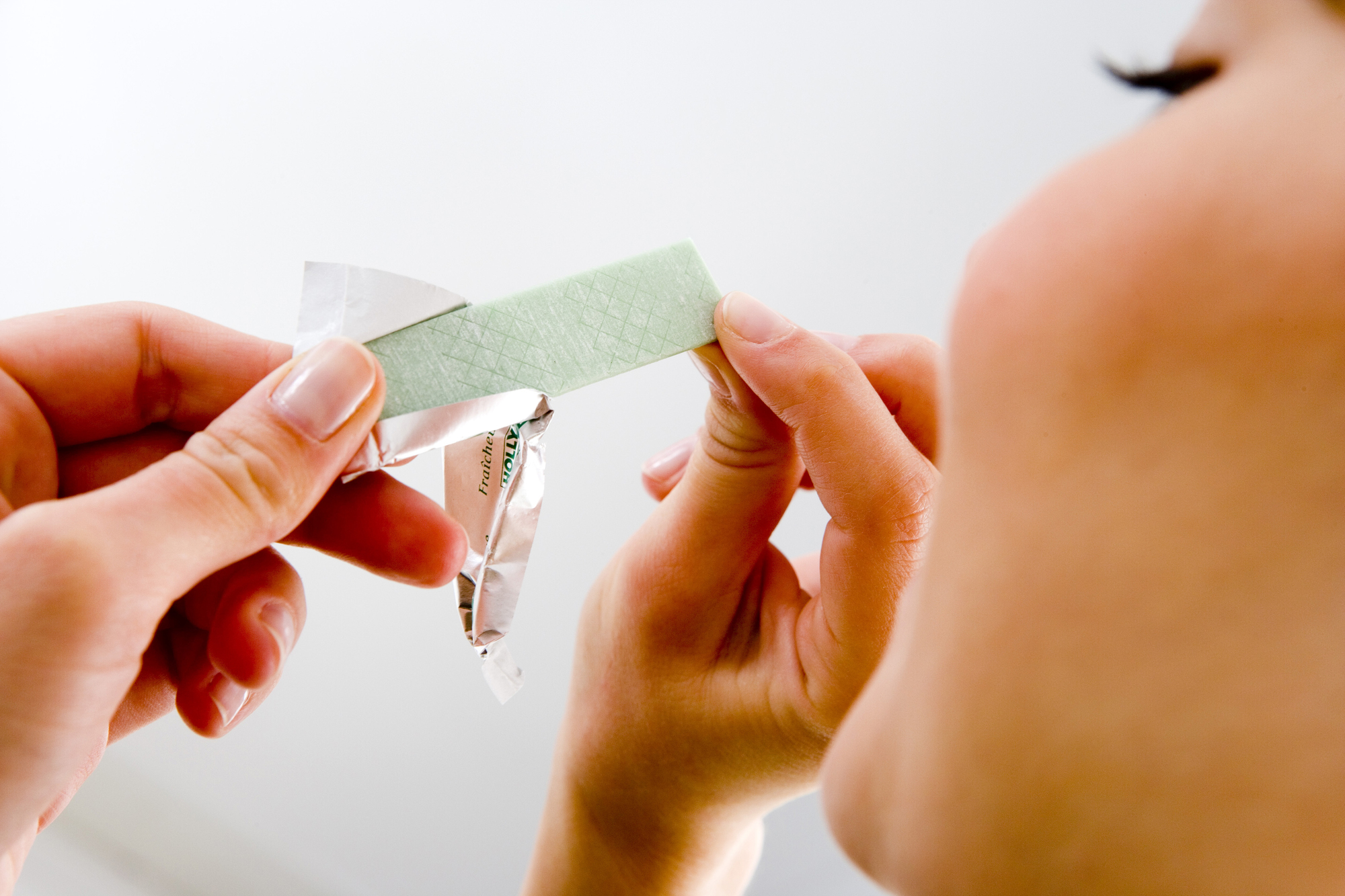
Chewing gum doesn’t dissolve in water, so flushing it can leave sticky material inside your plumbing. It may also catch other debris as it moves through the pipes, making an existing blockage worse.
Cotton Balls or Swabs
Cotton balls, cotton pads, and cotton swabs may seem harmless, but they don’t break apart in water like toilet paper. They can collect inside pipes and get tangled with other waste, eventually contributing to stubborn clogs.
First Aid Bandages
Used bandages belong in the trash, not the toilet, because their adhesive strips and plastic materials don’t break down easily. They can get caught in pipes and add to blockages in the sewer system.
Paper Towels
Paper towels are made to stay intact when wet, which is why they’re useful for cleaning up spills. That same quality makes them a poor choice for flushing, since they can bunch together and clog your plumbing.
Ashtray Remnants
Cigarette butts, cigar ends, and leftover ash shouldn’t be dumped into the toilet because they can carry chemicals and other pollutants into wastewater. Cigarette filters also take a long time to break down, so put ashtray waste in the trash instead.
Feminine Products
Tampons, sanitary pads, and panty liners are made to absorb moisture, so they don’t fall apart after being flushed. They can swell, get caught in pipes, and cause serious blockages, so these products should always be wrapped and thrown away.
Diapers
Disposable diapers are built to absorb large amounts of liquid and expand as they get wet. Flushing one can clog your toilet almost immediately, so always put used diapers in a properly lined trash bin.
Paint
Never pour leftover paint into the toilet because it can introduce chemicals into the wastewater system. Check your local waste disposal guidelines or find a household hazardous waste collection site that accepts leftover paint.
Medication
Flushing unused or expired medication can introduce pharmaceutical chemicals into waterways, where wastewater treatment may not remove them completely. Check for a nearby medication take-back program or ask your pharmacist about safe disposal options.
Grease and Cooking Oil
Pouring bacon grease, vegetable oil, or leftover cooking oil down the toilet can create plumbing problems as the material cools and collects inside pipes. Instead, let grease cool, place it in a disposable container, and throw it away according to your local waste disposal guidelines.
Hair
A few loose strands might not seem like a problem, but hair can collect inside plumbing and form tangled clumps. These clumps can catch other debris and contribute to blockages, so clean hair out of brushes and drains and throw it in the trash.
Baby Wipes or Wet Wipes
Baby wipes and cleaning wipes don’t break down as quickly as toilet paper, even if the packaging says they’re flushable. They can get caught in sewer pipes and combine with grease and other debris, so it’s safer to put all wipes in the garbage.
Too Much Toilet Paper
Toilet paper is made to break apart in water, but using too much at once can still overwhelm your toilet and cause a blockage. If you need a large amount, flush smaller portions rather than sending everything down at once.
Kitty Litter
Cat litter, especially clumping varieties, absorbs moisture and can form hard masses when it comes into contact with water. It can settle inside pipes and create stubborn blockages, so scoop it into a trash bag instead of flushing it.
Food
Leftover food, vegetable scraps, and other kitchen waste belong in the garbage or compost bin, not the toilet. Food can collect in pipes, attract pests, and contribute to blockages, even if some types eventually break down.
Bleach
Small amounts of household bleach used according to toilet-cleaner label directions are generally different from pouring large quantities of concentrated bleach down the toilet. Never use the toilet to dispose of leftover chemicals or cleaning products, and follow the product label and local disposal instructions to avoid harmful chemical exposure.