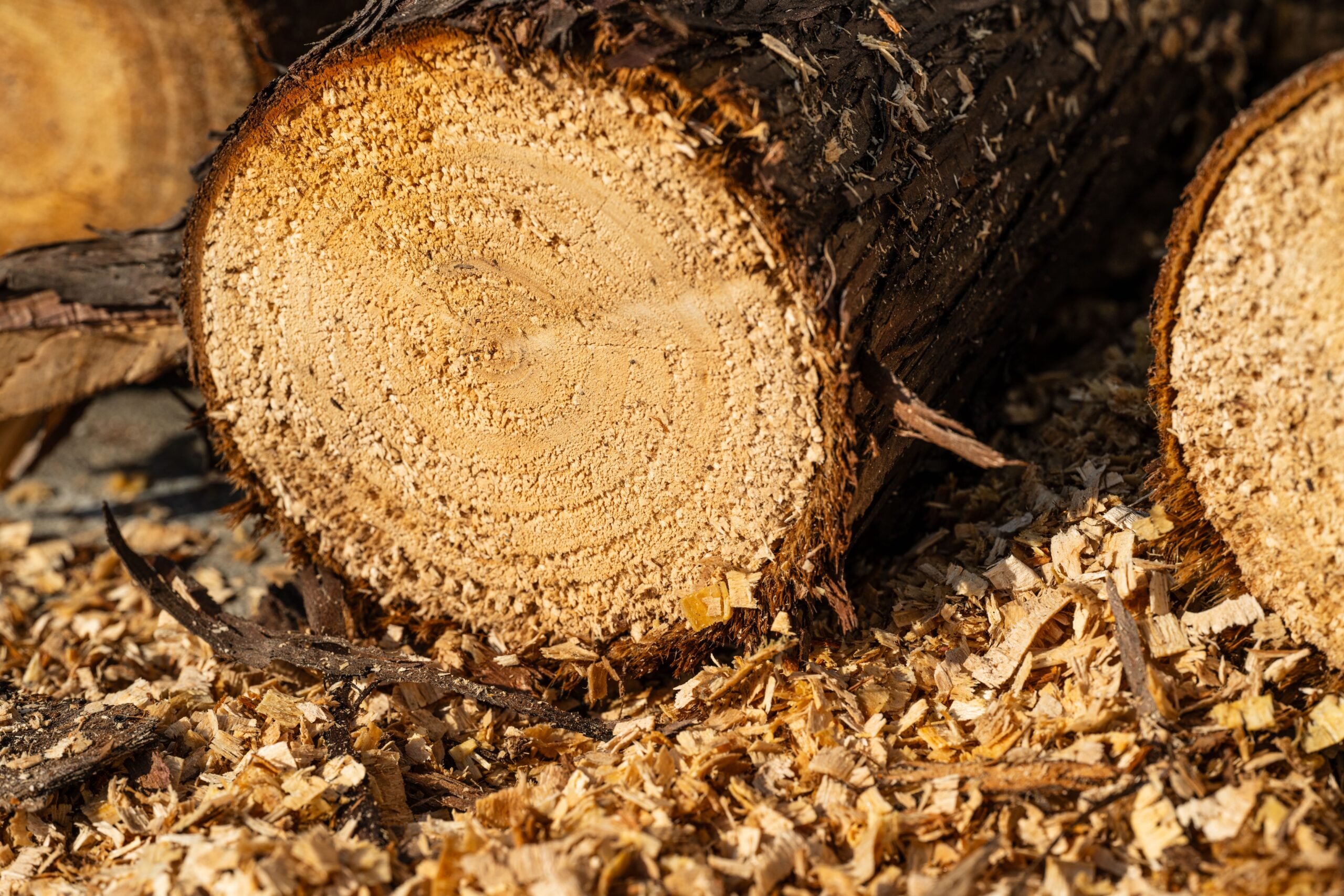
After a woodworking project, sawdust usually gets swept up and thrown away. But depending on the wood, those leftover shavings and fine particles can still be useful around the house, garden, and workshop.
From soaking up spills to adding carbon to a compost pile, sawdust has several practical uses. Before putting yours to work, make sure it’s from clean, untreated wood, since sawdust from painted, stained, pressure-treated, or chemically treated wood can contain substances you don’t want around plants, pets, or food.
Fire Starter
Dry sawdust catches fire easily, making it useful for homemade fire starters. Mix a small amount with melted wax in a suitable fire-safe mold, let it cool completely, and use it according to fireplace or fire pit safety guidelines.
Compost Booster
Sawdust from untreated wood can add carbon to a compost pile, making it a useful brown material alongside nitrogen-rich kitchen scraps and fresh yard waste. Add it in small amounts, mix it with other materials, and avoid letting it form thick, compacted layers that restrict airflow.
Garden Soil Amendment
Sawdust can eventually add organic matter to garden soil, but fresh sawdust shouldn’t be mixed heavily into planting beds. As it breaks down, soil microbes use nitrogen, which can leave less available for growing plants, so compost it first before adding it to the garden.
Absorbent for Spills
A pile of clean, dry sawdust can soak up small oil or grease spills on workshop and garage floors. Spread it over the spill, let it absorb the liquid, then sweep it up and dispose of the material according to local rules, especially if it contains motor oil or other chemicals.
Traction for Snow or Mud
Sawdust can provide a little extra grip on slippery ground or help tires gain traction when a vehicle is stuck in snow or mud. Keep a small bag in your vehicle during winter, but don’t rely on it alone to free a stuck car or replace proper winter tires and recovery equipment.
Root Vegetable Storage
Dry, clean sawdust can help separate root vegetables during storage and reduce direct contact between them. Store potatoes, carrots, or beets in a cool, dark area with dry sawdust between layers, and check regularly for moisture, rot, or spoilage.
Pet Bedding
Untreated wood shavings made for animal bedding can suit some small pets, depending on the species and the type of wood. Avoid fine, dusty workshop sawdust, cedar, and aromatic wood shavings, which can irritate an animal’s breathing, and ask a veterinarian about safe bedding for your pet.
Homemade Wood Filler
If you have a small hole or gap to fill in a woodworking project, mixing fine sawdust with wood glue can make a simple filler. Use dust from the same wood species if possible, apply it to small imperfections, and let it dry before sanding; the finished color may still differ from the surrounding wood.
Anti-Slip Surface
A light scattering of sawdust can add traction to icy steps, walkways, and other slippery outdoor surfaces. It won’t melt the ice, though, and it can become slippery when wet, so use a suitable ice melt or traction product for areas where people regularly walk.
Mulch for Garden Paths
Sawdust can be spread over garden paths to cover bare soil and help limit weed growth. Keep it on the paths rather than piling it around plant stems, and refresh the layer as it breaks down or washes away.
Natural Weed Suppressant
A thick layer of sawdust can block sunlight and make it harder for weeds to sprout in areas where you don’t plan to grow anything. Keep it away from vegetable beds and other planting areas unless it’s been composted, since fresh sawdust can tie up nitrogen as it decomposes.
Odor Absorber for Pet Areas
Dry, untreated sawdust can soak up moisture in outdoor pet areas, helping keep damp spots from becoming muddy. Use it sparingly, keep animals from breathing in loose dust, and remove soiled material regularly instead of letting it build up.