

Deep cleaning the whole house can feel like a huge job, especially if you try to tackle every room in one day. Having a plan, gathering your supplies ahead of time, and getting the family involved can make the work much easier to manage.
Regular cleaning handles everyday messes, but a deep clean targets the spots that often get overlooked. Here are 12 ways to work through your home and clean those harder-to-reach areas.
Declutter Before Cleaning
Before you start wiping surfaces, put away anything that doesn’t belong in the room. Move fragile decorations, picture frames, and breakable items somewhere safe so they don’t get knocked over while you’re cleaning.
In the kitchen, wash dirty dishes, clear the counters, and remove leftover food and crumbs. Clear surfaces give you more room to work and keep you from cleaning around piles of belongings.
Gather Your Supplies
Collect your cleaning products and tools in one basket or caddy so you aren’t constantly walking back and forth to find what you need. Your supplies will depend on the rooms you’re cleaning, but these are good items to have on hand:
- Rubber gloves: Wear gloves to protect your hands from cleaning products, hot water, and grime. Choose gloves that suit the products you’re using.
- Cleaning rags: Keep several microfiber cloths and washable rags nearby for counters, furniture, appliances, and glass. Use separate cloths for kitchens and bathrooms to avoid spreading dirt and germs.
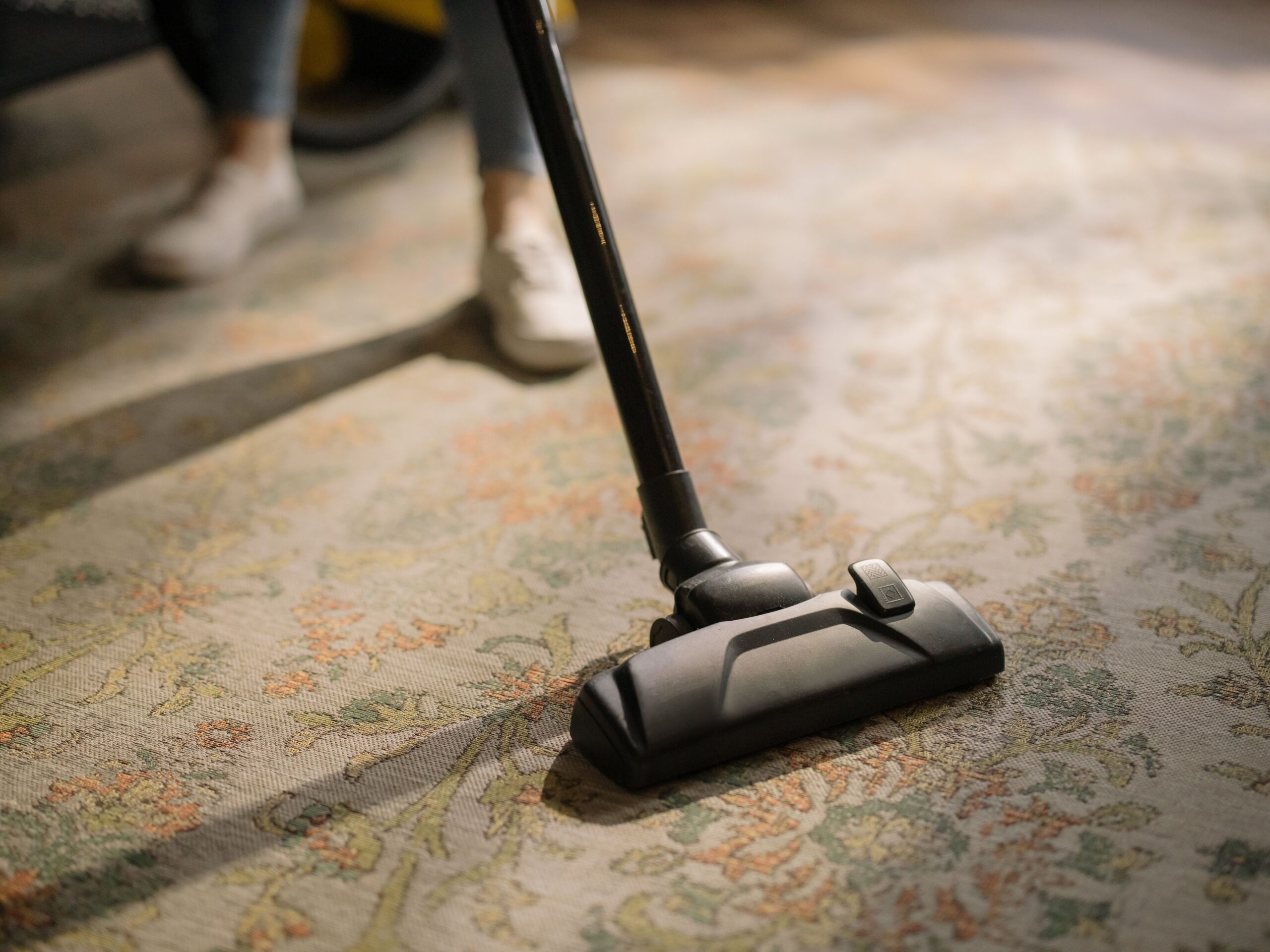
- Vacuum, broom, duster, and dustpan: These help pick up dust, hair, crumbs, and debris from floors and other surfaces. A vacuum with attachments is especially useful for corners, upholstery, and furniture.
- Mop: Use a mop that suits your flooring, whether you have tile, vinyl, laminate, or sealed hardwood. Avoid soaking floors that can be damaged by excess water.
- Scrub brushes: A soft-bristled brush, old toothbrush, and non-scratch scrubber can help remove dirt from grout, corners, and other tight spots. Avoid steel wool on surfaces that scratch easily.
- Cleaning products: Keep an all-purpose cleaner, glass cleaner, and floor cleaner suited to your home’s materials. Read the labels before using them, since some products aren’t safe for every surface.
You can also make a simple vinegar-and-water solution for certain cleaning jobs, such as wiping some glass or hard surfaces. Mix one part distilled white vinegar with three parts water, but don’t use it on natural stone, waxed surfaces, or materials that can be damaged by acidic cleaners.
Clean From Top to Bottom, Left to Right
Start with ceilings, ceiling fans, light fixtures, and the tops of cabinets before moving down to furniture and floors. Dust and debris will fall as you work, so cleaning higher surfaces first saves you from having to repeat the same job.
Move around the room in one direction, wiping shelves, counters, tables, and other surfaces as you go. Pay attention to baseboards, corners, and the areas behind furniture that rarely get cleaned during a regular weekly tidy-up.
Remove Dust From Forgotten Spots
Dust settles on more than tables and shelves, especially in rooms with lots of decorations and furniture. Wipe hard surfaces with a microfiber cloth, and use a suitable furniture cleaner when the material calls for one.
A clean cotton sock worn over your hand can help you reach blinds, narrow ledges, and awkward corners. A lint roller also works well for picking up dust and pet hair from lampshades and fabric surfaces, while a vacuum attachment can clean underneath furniture.
Scrub Your Grout
Tile floors and shower walls can look dirty even after the tiles themselves have been cleaned because grime collects in the grout lines. Start with a cleaner labeled safe for your grout type and use a soft-bristled brush to work away the dirt.
Baking soda mixed with a little water can make a paste for some grout-cleaning jobs, though it may not remove heavy stains. Avoid mixing bleach and vinegar, and never mix bleach with other household cleaners; follow the product label, rinse as directed, and let the area dry.
Clean Kitchen Appliances
Kitchen appliances collect grease, crumbs, food residue, and fingerprints through everyday use. Wipe the outside of your microwave, blender, toaster, mixer, and other small appliances, unplugging them first when appropriate.
For your dishwasher, remove and clean the filter according to the manufacturer’s instructions, then wipe the door edges, gasket, and detergent compartment. Run a cleaning cycle with a dishwasher cleaner if needed, rather than using an empty high-heat cycle as a substitute for proper cleaning.
Choose Storage That Fits Your Space
Deep cleaning is a good time to sort items shoved into drawers, cabinets, and closets. Group similar belongings together, and use baskets, bins, or drawer organizers that fit your space.
For example, keep everyday items like keys, spare change, and sunglasses in a small tray near the entryway. Store household chemicals, aerosols, candles, and other potentially hazardous products according to their labels, away from heat and ignition sources, and out of reach of children and pets.
Wash Windows Thoroughly
Window glass can look cloudy from fingerprints, dust, and water spots, while the tracks and sills often collect dirt and dead insects. Start by vacuuming the tracks and wiping the frames and sills with a damp cloth.
Spray the glass with a suitable window cleaner and wipe it with a microfiber cloth or squeegee. If you’re cleaning exterior windows, use safe equipment and avoid leaning out of open windows or climbing onto unstable surfaces.
Deep Clean Your Floors
Move smaller furniture and rugs out of the way so you can reach the areas that usually stay covered. Get help with heavy pieces like beds and sofas, and use proper lifting techniques to avoid injury or floor damage.
Vacuum or sweep thoroughly before mopping with a cleaner that’s safe for your flooring. Hardwood floors may need a product made for their finish, but skip wax or polish unless the floor manufacturer recommends it.
Keep a Trash Bag Nearby
A large trash bag makes it easier to collect packaging, dust, empty containers, and other waste as you move from room to room. Take it with you while cleaning so rubbish doesn’t end up scattered across the house.
Keep food scraps and other household waste separate when required by your local disposal or recycling rules. Once you’re finished with each room, take out the trash instead of leaving another bag sitting around.
Disinfect Kitchen and Bathroom Sinks
Sinks collect food particles, soap residue, toothpaste, and grime throughout the day. Scrub the basin, faucet, handles, and drain area with a cleaner that’s safe for the sink’s material, then rinse and dry with a clean cloth.
For disinfection, use a product labeled for the surface and follow its directions for contact time and rinsing. Never pour a large mixture of laundry bleach and water into a sink without checking the product label and sink manufacturer’s instructions.
Squeegee the Shower
Soap residue and hard-water spots can build up on shower glass, while damp corners and grout may develop mildew. Clean the walls, floor, fixtures, and glass thoroughly with products suited to each surface, using a small brush for corners and around fixtures.
After showering, use a squeegee to remove water from the glass and leave the door or curtain open when possible so the area can dry. Good ventilation and regular drying help keep moisture from lingering in the bathroom.