Hydrogen peroxide is one of those inexpensive household products that seems useful for almost everything. People reach for it to remove stains, clean grout, disinfect certain surfaces, and handle everyday messes around the house.
Still, it isn’t suitable for every cleaning job. Hydrogen peroxide can fade fabrics, damage delicate finishes, and react dangerously with certain household products, so it’s worth knowing what not to use it on.
Use It on Colored Fabrics
Hydrogen peroxide can bleach fabrics, so it’s risky for colored clothing, curtains, upholstery, and decorative pillows. It might remove a stain, but it can also leave behind faded spots or uneven patches that won’t come out in the wash.
Clean Wood Furniture or Cabinets
Wood furniture and cabinets often have protective coatings that help prevent scratches, stains, and moisture damage. Hydrogen peroxide can affect those finishes and may leave the wood looking dull, discolored, or worn with repeated use.
Spray It on Leather
Leather needs its natural oils to stay soft and flexible, and hydrogen peroxide can dry it out. Using it on leather shoes, handbags, jackets, or furniture may cause fading, stiffness, and cracking.
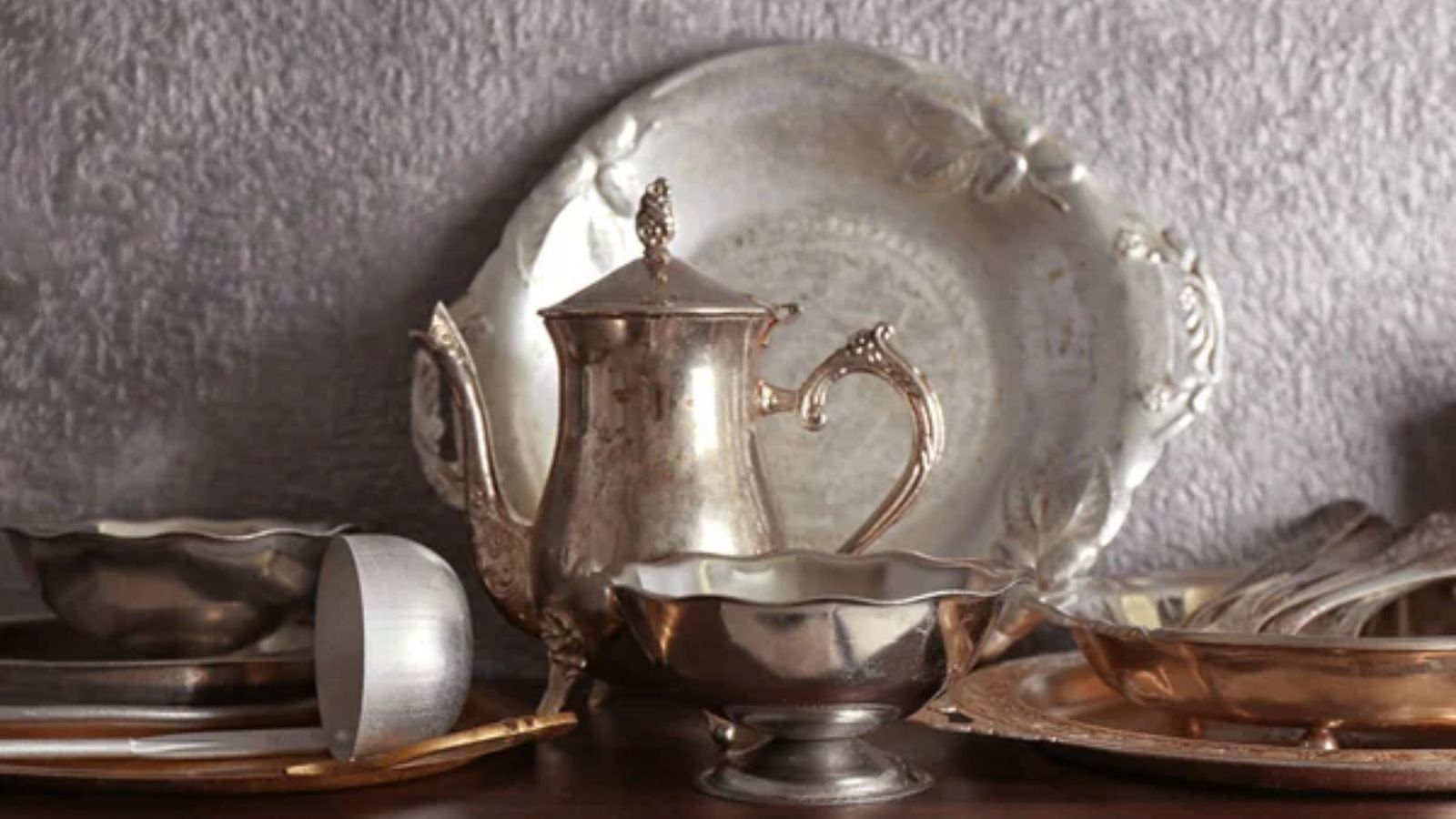
Use It on Stainless Steel or Brass
Hydrogen peroxide can affect certain metal finishes, especially with repeated or prolonged contact. It may leave stainless steel discolored or cause brass to tarnish, so stick with a cleaner recommended for that metal.
Clean Granite, Marble, or Other Natural Stone
Natural stone countertops can be sensitive to cleaning products that affect their finish or protective coating. Hydrogen peroxide may cause discoloration or damage some sealers, so check the stone manufacturer’s cleaning recommendations before using it.
Wipe Down Electronics
Phones, tablets, laptops, televisions, and computer monitors often have delicate coatings that protect the screen and reduce glare. Hydrogen peroxide can damage these coatings, and liquid that gets into openings may harm the internal components.
Related: 14 Practical Uses for Windex
Mix It With Vinegar
Never combine hydrogen peroxide and vinegar in the same bottle or apply them together to a surface. The mixture can form peracetic acid, which can irritate or burn the eyes, skin, and respiratory system.
Mix It With Bleach
Mixing hydrogen peroxide with chlorine bleach can trigger a chemical reaction that releases oxygen gas. This can build pressure inside a closed container, increasing the risk of leaks, splashes, or the container bursting.
Store It in a Clear Container
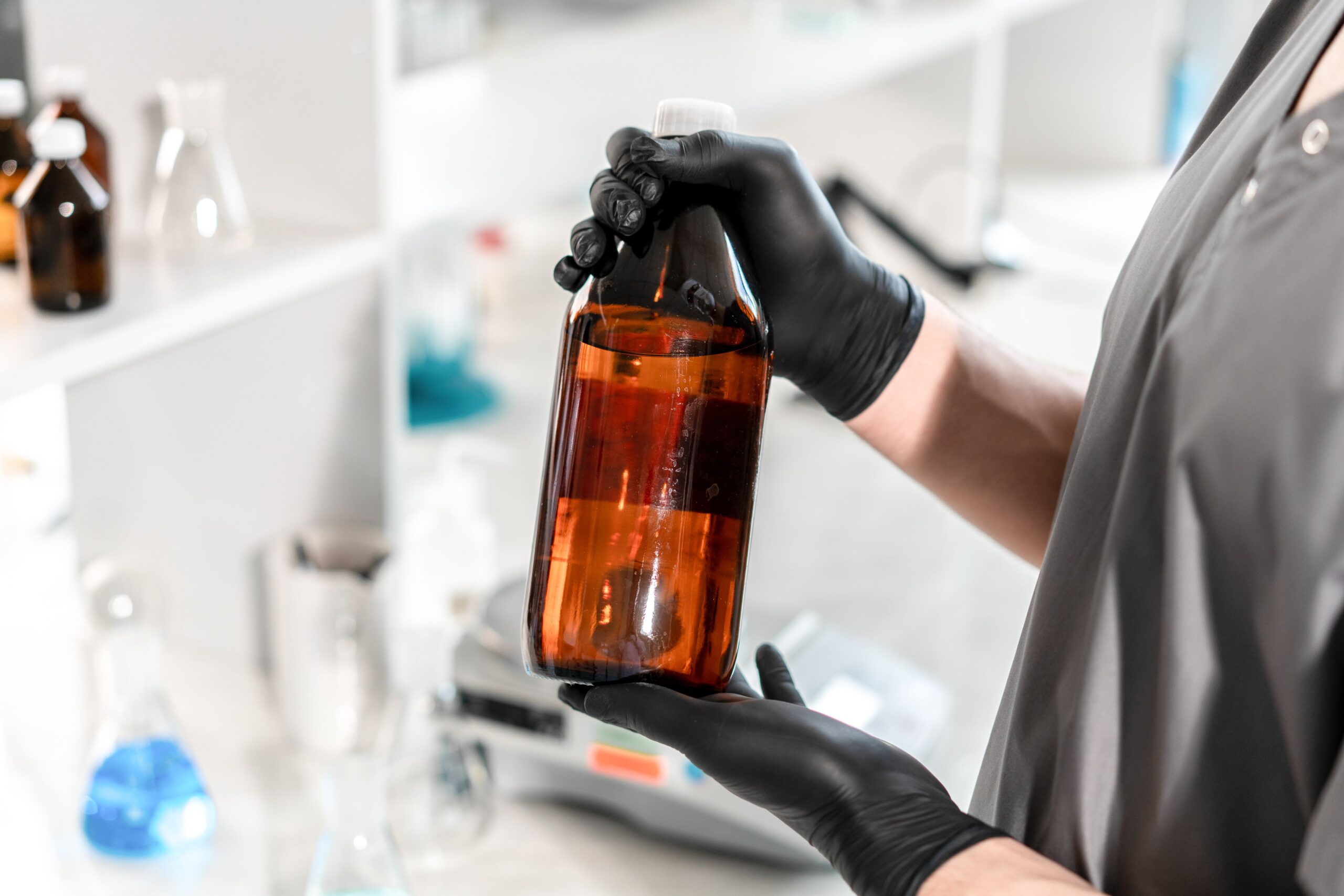
Hydrogen peroxide breaks down when exposed to light, which is why it is sold in dark brown bottles. Transferring it to a clear bottle for storage can cause it to lose strength, leaving you with a product that may no longer work as intended.