
Bleach is one of those cleaning products many households keep within easy reach. It works well for disinfecting certain hard surfaces, whitening laundry, and killing many germs, but using it on the wrong materials or mixing it with other cleaners can cause serious problems.
A little care goes a long way when handling bleach. Before using it around the house, watch out for these common mistakes.
Mix It With Other Household Cleaners
Never mix bleach with vinegar, ammonia, rubbing alcohol, drain cleaners, or many toilet bowl cleaners. These combinations can release toxic gases that may cause coughing, breathing difficulties, eye irritation, and other serious health problems.
Use It on Wood Furniture or Hardwood Floors
Bleach can strip protective coatings and change wood’s natural color. Using it on hardwood floors, cabinets, or furniture may leave behind faded patches, dry-looking areas, or damage that is difficult to repair.
Clean Granite, Marble, or Other Natural Stone
Harsh cleaning products can damage granite, marble, and other natural stone surfaces. Bleach may wear down protective sealers, dull the finish, or cause discoloration that can be costly to fix.
Apply It to Stainless Steel or Other Metals
Bleach can corrode metals such as stainless steel, aluminum, copper, and cast iron, especially with prolonged contact. It may leave rust spots, pitting, or discoloration instead of a clean finish.
Bleach Colored Fabrics
Regular chlorine bleach can strip color from clothing, towels, upholstery, and rugs, leaving behind faded areas or permanent spots. Check the care label before using bleach, and choose a color-safe laundry product for fabrics that aren’t approved for chlorine bleach.
Clean Leather
Leather needs its natural oils to stay soft and flexible, and bleach can strip those oils away. Using it on handbags, shoes, jackets, or leather furniture may leave the material dry, cracked, and discolored.
Use It on Painted Surfaces
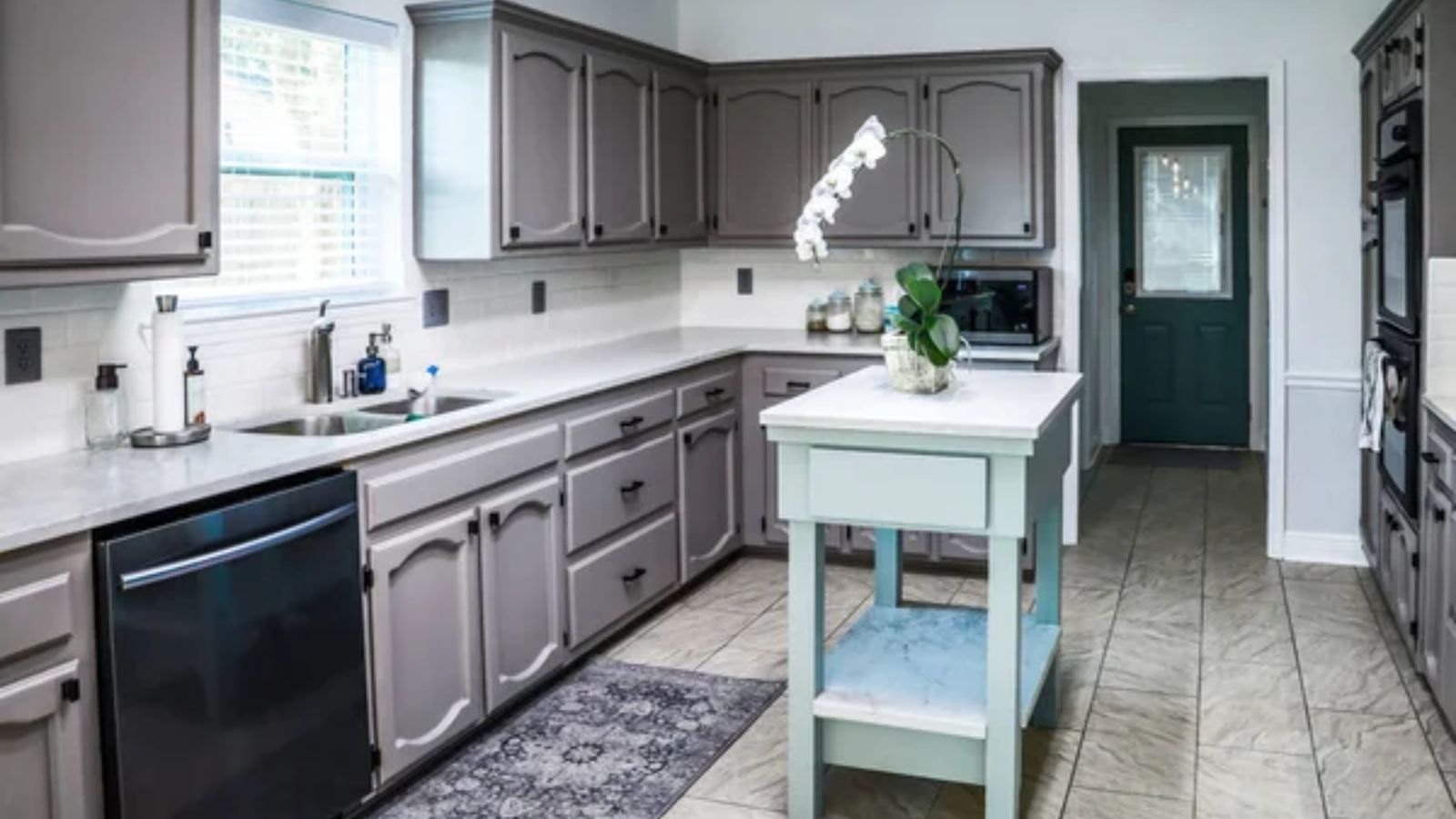
Bleach can affect the finish and color of painted walls, cabinets, and furniture. Rather than removing a stain cleanly, it may leave uneven patches, peeling paint, or faded spots that require a fresh coat.
Pour It Down Clogged Drains
Bleach won’t clear a clogged drain because it doesn’t remove the hair, grease, or food scraps causing the blockage. It can also react with cleaning products already in the pipes, release harmful fumes, and damage plumbing materials.
Use It on Mold Without Fixing the Moisture Problem
Bleach may remove some mold from hard, non-porous surfaces, but it won’t fix the leak, condensation, or excess moisture causing the growth. If the water problem remains, mold can return even after you clean the affected area.
Related: I Stopped Using Dryer Sheets in the Dryer—Here’s Where I Use Them Instead
Use It Without Proper Ventilation or Protection
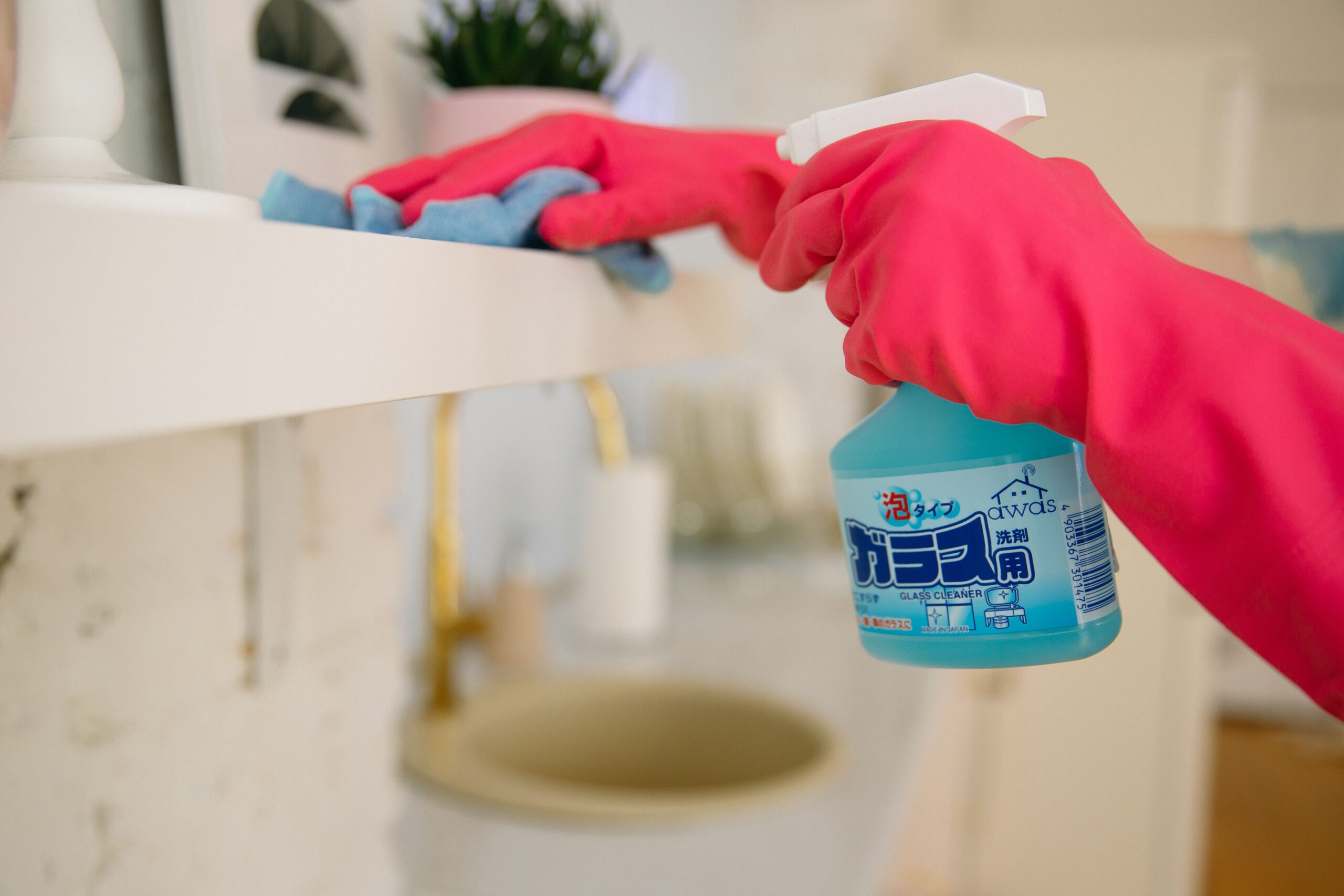
Bleach fumes can irritate your eyes, skin, and lungs, especially in a small room with little airflow. Wear gloves, open windows or run an exhaust fan, and follow the product label for dilution and safe use.