Moving to a new city is exciting, but a place that looks perfect online doesn’t always live up to expectations once you’re actually living there. Some cities offer great careers, famous attractions, or beautiful scenery, yet they also come with trade-offs that many newcomers don’t fully consider until after they’ve unpacked.
That doesn’t mean these places are bad. Plenty of people love living in them. Still, rising housing costs, heavy traffic, crowded neighborhoods, and other everyday challenges can make some of America’s most talked-about cities harder to enjoy than their reputations suggest.
New York City, New York
New York City has something for just about everyone—world-class restaurants, museums, entertainment, and career opportunities. The catch is that all of those perks come with a steep price tag.
Rent is among the highest in the country, and even a modest apartment can cost well over $4,000 a month in many neighborhoods. The city is also busy around the clock. Crowded sidewalks, packed subway cars, constant noise, and fierce competition for jobs can wear people down, especially if they’re used to a slower pace of life.
Los Angeles, California
Los Angeles attracts people hoping to break into entertainment, enjoy year-round sunshine, or simply experience Southern California living. Many quickly discover that getting around the city can be frustrating.
Traffic is part of daily life, and long commutes are common. Housing prices remain high, and many neighborhoods have become increasingly expensive. Air quality can also be an issue during certain times of the year, making life a little less glamorous than postcards suggest.
San Francisco, California
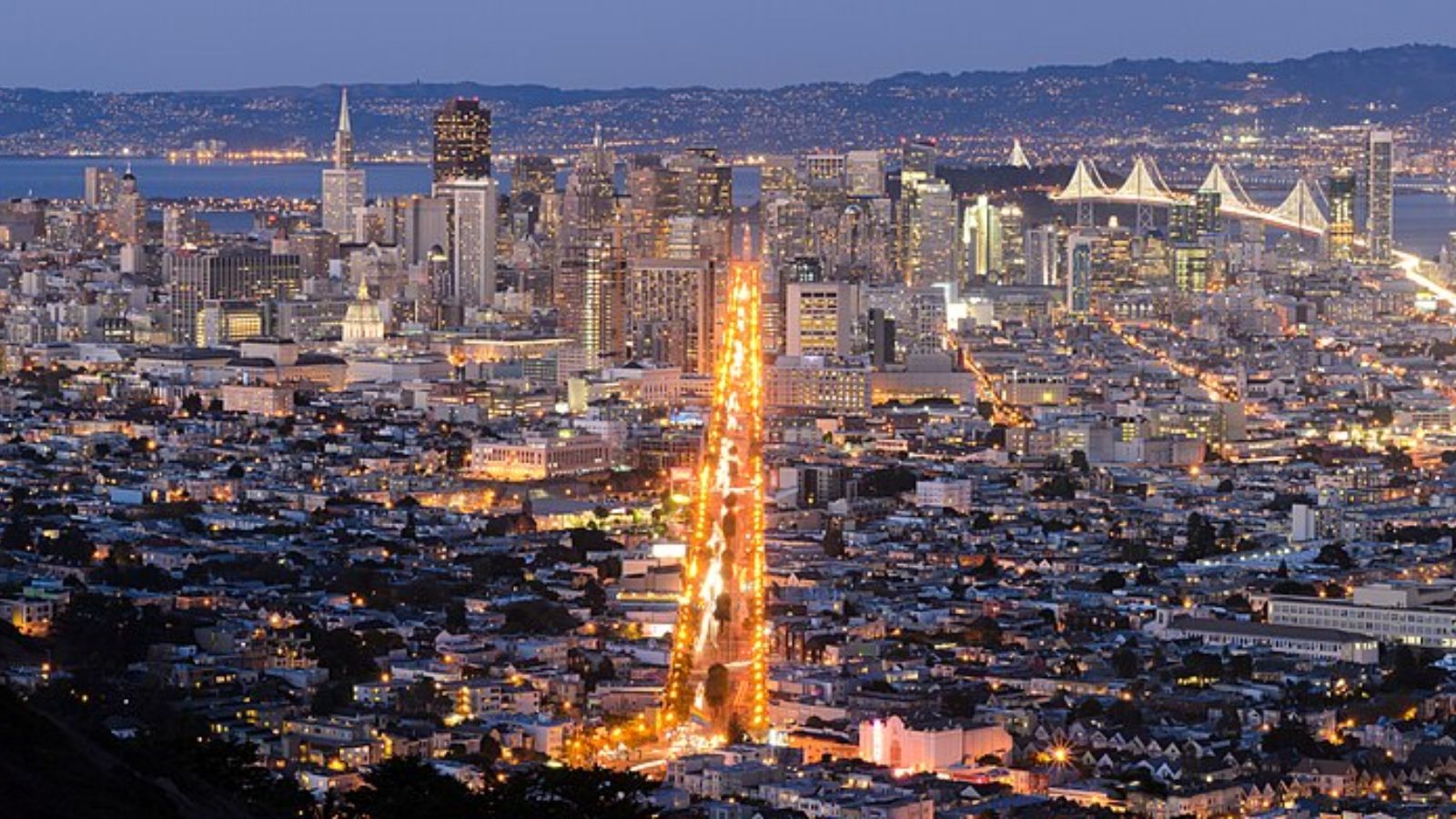
San Francisco offers stunning views, iconic landmarks, and one of the country’s biggest technology hubs. It also has one of the highest housing costs in America.
Buying a home is out of reach for many people, while rent can consume a large share of a monthly paycheck. The city has also struggled with homelessness and rising living expenses, creating challenges that many newcomers aren’t prepared for.
Miami, Florida
Miami’s beaches, nightlife, and multicultural atmosphere attract thousands of new residents every year. Living there full-time can feel very different from visiting on vacation.
Homeowners face expensive insurance because of hurricane risks, and certain neighborhoods deal with higher crime rates than others. While tourism creates plenty of jobs, professionals in other industries may find fewer opportunities than expected.
Seattle, Washington
Seattle has become one of the country’s biggest technology centers, drawing workers from around the world. That popularity has pushed housing prices higher over the past decade.
Buying a home or even renting an apartment can be expensive, and the cost of everyday living continues to rise. The long stretches of cloudy, rainy weather also take some adjustment for people moving from sunnier parts of the country.
Washington, D.C.
Washington, D.C., offers history, culture, and plenty of career opportunities, especially in government and related fields. Living there, though, comes with a hefty price tag.
Housing remains expensive, and traffic can make even short trips feel much longer. Public transportation is helpful in many areas, but delays and crowded trains can still test your patience. People who don’t work in politics or government may also find the city’s pace less appealing than expected.
Nashville, Tennessee
Nashville has grown far beyond its country music roots, attracting newcomers with its lively downtown and growing economy. As more people move in, housing costs have climbed along with the city’s popularity.
While music lovers will always find something to do, people looking for a wider mix of entertainment or cultural attractions may find their choices more limited than in larger metro areas. For some residents, the excitement fades after the novelty wears off.
Las Vegas, Nevada
Las Vegas is famous for its casinos, shows, and nightlife, but everyday life looks very different from a weekend vacation on the Strip.
Summer temperatures regularly climb well above 100 degrees, making outdoor activities difficult for much of the season. Tourism drives much of the local economy, so people working outside hospitality or entertainment may have fewer career options. The city has also become more expensive over the years, reducing some of the affordability that once attracted new residents.
Boston, Massachusetts
Boston is packed with history, top universities, and excellent hospitals, making it an attractive place to live for students and professionals alike. The downside is the cost.
Housing is expensive, everyday expenses add up quickly, and many residents need a sizable income just to live comfortably. Winters can also be long and snowy, while the city’s narrow streets and heavy traffic make getting around more frustrating than many newcomers expect.
Chicago, Illinois
Chicago offers incredible food, beautiful architecture, professional sports, and a lively arts scene. For many people, it’s one of the country’s most exciting cities.
Still, some neighborhoods experience higher crime rates than others, which can influence where people choose to live. Harsh winters, rising housing costs in desirable areas, and daily traffic are other factors that lead some residents to reconsider staying long term.
Austin, Texas
Austin built its reputation as a creative city with a booming tech industry and live music around every corner. Its popularity has fueled tremendous growth, bringing a new set of challenges.
Home prices have climbed sharply over the past several years, making affordability a concern for many buyers. Rent has also increased in many neighborhoods, and traffic has become noticeably worse as the population continues to grow.
Portland, Oregon
Portland is known for its independent spirit, local food scene, and easy access to nature. While those qualities still attract newcomers, the city has become much more expensive than it once was.
Housing costs continue to rise, and frequent rain isn’t for everyone. Portland has also faced ongoing concerns about homelessness, which has affected parts of the city and changed how some residents view its overall quality of life.
Denver, Colorado
Denver appeals to people who love the outdoors. With the Rocky Mountains nearby, hiking, skiing, and camping are always within reach.
The city’s popularity has also driven up housing costs and everyday expenses. Traffic has become heavier as the population has grown, and long-term concerns about water availability remain part of the conversation as the region continues to expand.
Honolulu, Hawaii
Honolulu offers beautiful beaches, warm weather, and scenery that’s hard to match anywhere else in the United States. Living in paradise comes with a steep price.
Everything from groceries to housing tends to cost more because many goods must be shipped to the islands. Job opportunities can also be more limited than on the mainland, and traveling to visit family or friends often involves expensive flights.
Orlando, Florida
Orlando attracts millions of visitors every year thanks to its famous theme parks and year-round sunshine. Living there full time is a different experience than visiting for vacation.
Tourism dominates much of the local economy, which can limit opportunities in some industries. Heavy traffic is common, especially during peak travel seasons, and the cost of housing has risen enough that many families now need a much higher income to keep up with everyday expenses.
These cities continue to attract new residents every year, and each has plenty to offer. Still, popularity doesn’t always tell the whole story. Before making a move, it’s worth looking beyond the highlights and thinking about everyday costs, career opportunities, traffic, climate, and overall quality of life. A city that’s perfect for one person may not be the right fit for someone else.