Grocery shopping has gotten more expensive, and many people are paying closer attention to shelf prices. For some, that means reaching for store-brand cereal, coffee, bread, and pantry staples instead of automatically choosing the familiar name on the package.
What began as a way to save money has turned into a lasting habit for many shoppers. Recent research suggests taste and product quality also play a bigger role in why people keep buying store brands.
Store Brands Are in Nearly Every Household
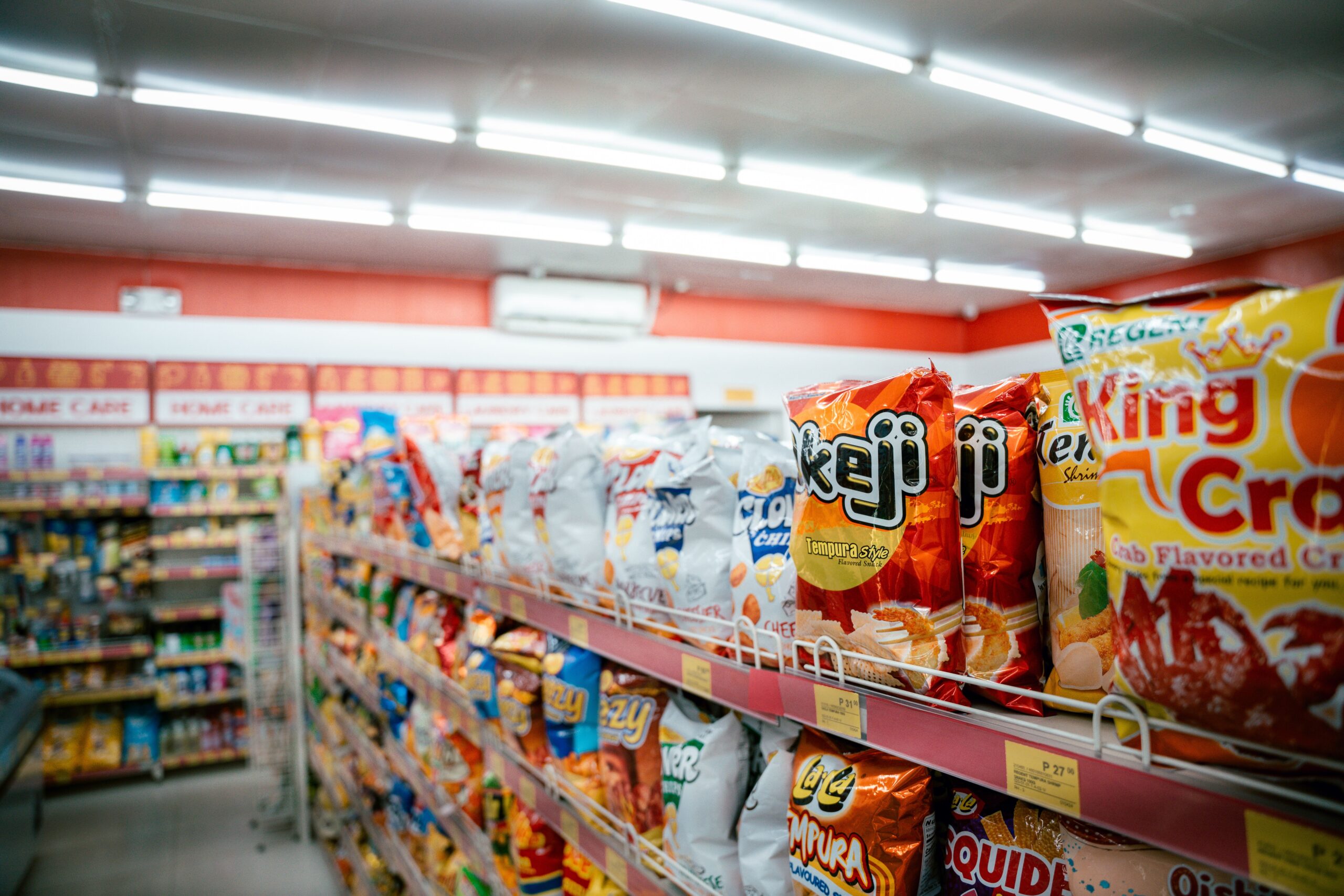
According to the Food Industry Association’s 2026 Power of Private Brands research, 92% of U.S. grocery shoppers surveyed said they had store-brand products at home, up from 89% the year before. Nearly half said they had bought more store brands over the previous year, compared with 31% who reported buying more national brands.
The survey included 1,495 U.S. grocery shoppers aged 18 and older and was conducted in March 2026. The findings suggest store-brand products have become a regular part of many households’ shopping.
Related: 12 Container Store Products Pro Organizers Recommend Again and Again
Price May Get People to Try Them, but Taste Keeps Them Coming Back
Saving money is still a major reason to try store brands, especially when grocery bills take up more of the household budget. Once shoppers find products they enjoy, though, the lower price may no longer be the only reason they reach for them.
The FMI research found that 39% of shoppers buying more private-brand products cited quality, up from 30% in 2023. Taste also played a bigger role, with 37% naming it as a reason for buying more store brands, up from 26% in 2023.
Related: 10 Familiar Grocery Store Items You May Never See Again
Many Shoppers Plan to Keep Buying Store Brands
One striking finding: 94% of shoppers said they would keep buying store brands even if grocery prices fell. That suggests many people have found products they like enough to keep buying, even as the gap between store-brand and name-brand prices narrows.
Someone who likes a store-brand pasta, cereal, or frozen vegetable may see little reason to pay extra for a familiar label. Once a product becomes a household favorite, shoppers may be reluctant to switch back.
Related: 15 Thrift Store Bargains That Could Be Worth More Than Your Monthly Rent
Store Brands Offer More Choices Than Before
Store-brand products now cover much more than basic, low-cost groceries. Shoppers can find premium foods, organic products, specialty items, and options for different dietary needs under supermarket labels.
That wider selection gives people more reasons to check the store-brand shelf before reaching for the same name-brand product they’ve bought for years. Some shoppers may find an option that better suits their preferences without paying more for a familiar logo.
Related: 17 Grocery Store Items That Contain More Chemicals Than You Think
Younger Shoppers Are Making the Switch
The survey found that 59% of Gen Z shoppers increased their store-brand purchases over the previous year, and 52% of Millennials did as well. Across all shoppers surveyed, the figure was 49%.
Younger consumers may be more willing to try different products instead of sticking with brands their families have always bought. If a store label delivers the taste and quality they want at a price they like, the name on the package may matter less.
Shoppers Are Rethinking What Makes a Good Deal
For years, the main reason to buy store brands seemed obvious: they usually cost less. Now, taste, product quality, and the range of choices available seem to play a bigger role in shoppers’ decisions.
That doesn’t mean every store-brand product will be better than its name-brand competitor. Taste is personal, and some people will still prefer certain branded products enough to pay extra.
The Label May Matter Less Than It Once Did
Higher grocery bills may have encouraged shoppers to experiment with store brands, but many seem to have found reasons to keep buying them. When people like what they get, a lower price becomes an added benefit rather than the only reason to buy.
With 94% of surveyed shoppers saying they would keep buying store brands even if prices dropped, name brands may need to offer more than familiarity to win those customers back. For shoppers, the choice increasingly comes down to what tastes good, meets their needs, and feels worth the money.