Thrift stores, garage sales, and estate sales are great places to find bargains, but some used items deserve extra caution. A low price may seem tempting, but some purchases can come with hygiene concerns, hidden damage, or safety issues, making new a better choice.
That doesn’t mean every secondhand item is a bad buy. For these 12 categories, it’s worth checking the condition, history, and potential risks before bringing something home.
Mattress
A used mattress can hide bedbugs, mold, odors, stains, or internal damage that’s hard to spot in a quick inspection. Since mattresses are difficult to clean thoroughly, buying new is often the easier choice unless you can verify their history and condition.
Related: The Best Mattress for Airbnb Guests under $500
Cribs
A secondhand crib can be risky if you can’t confirm that it’s free of recalls and meets current safety standards. Skip older drop-side models, cribs with missing hardware, and any crib with damaged parts or an unknown manufacturer.
Car Seats
A used car seat may have been in a crash, expired, or missing parts needed for proper installation. Buy one secondhand only if you trust the previous owner and can verify its history, age, model, and recall status.
Upholstered Furniture
Used sofas, armchairs, and fabric headboards can hide bedbugs, pet odors, stains, or damage beneath the cushions and upholstery. Check the seams, underside, and padding carefully, and think twice if you spot signs of pests or cannot clean the piece properly.
Related: How to Clean Thrifted Wood Furniture
Rugs
A secondhand rug may have lingering odors, stains, mold, or pest damage that isn’t obvious while it’s rolled up. When possible, unroll it and check both sides, the backing, and the edges before deciding whether it’s worth buying.
Pillows
Used pillows can collect sweat, oils, dust mites, and allergens, and they may be difficult to clean thoroughly. Buying new pillows for sleeping is often the simpler option, while decorative pillows with removable, washable covers may be easier to assess.
Used Tires
Secondhand tires can have internal damage, age-related deterioration, or past repairs that aren’t obvious from looking at the tread. Unless a qualified tire professional can inspect them and you can verify their age and history, buying new is the safer choice.
Swimwear and Underwear
Avoid used underwear because it sits close to sensitive skin and may be difficult to clean to your comfort level. Secondhand swimwear is a personal choice, but check the lining, elastic, fabric condition, and cleanliness carefully before wearing it.
Non-Stick Cookware
A used non-stick pan may already have a scratched, peeling, or worn coating that is hard to assess under store lighting. Skip pans with visible coating damage or warping, and check the manufacturer’s care guidance before using an older pan.
Stuffed Animals
Secondhand plush toys can hold dust, allergens, odors, or pests, and older toys may have loose eyes or other small parts. Choose only toys that can be cleaned according to their care labels and have no damaged seams or loose pieces, especially for young children.
Puzzles
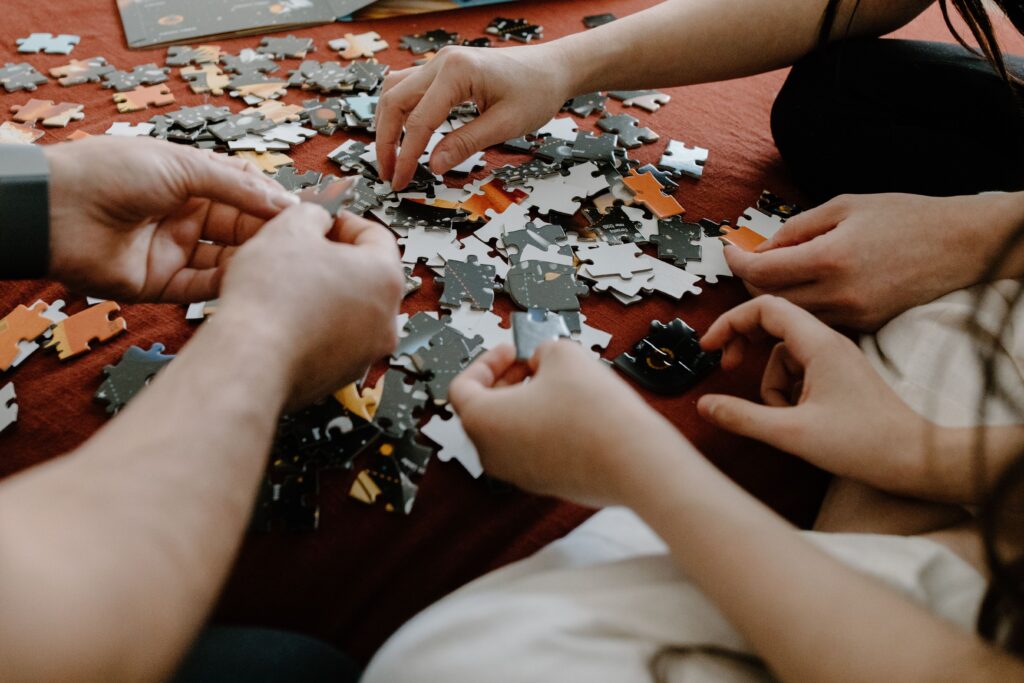
A used jigsaw puzzle may look like a bargain until you discover that several pieces are missing halfway through putting it together. Look for sealed boxes or ask whether the seller has confirmed the piece count, and skip puzzles with an unknown history if completeness matters to you.
Untested Appliances
Used appliances can be good buys if they’re in working order, but buying one without testing it means you may end up paying for something that doesn’t work. When shopping at thrift stores, ask whether you can test the appliance, inspect its cord and housing for damage, and check the store’s return policy before paying.