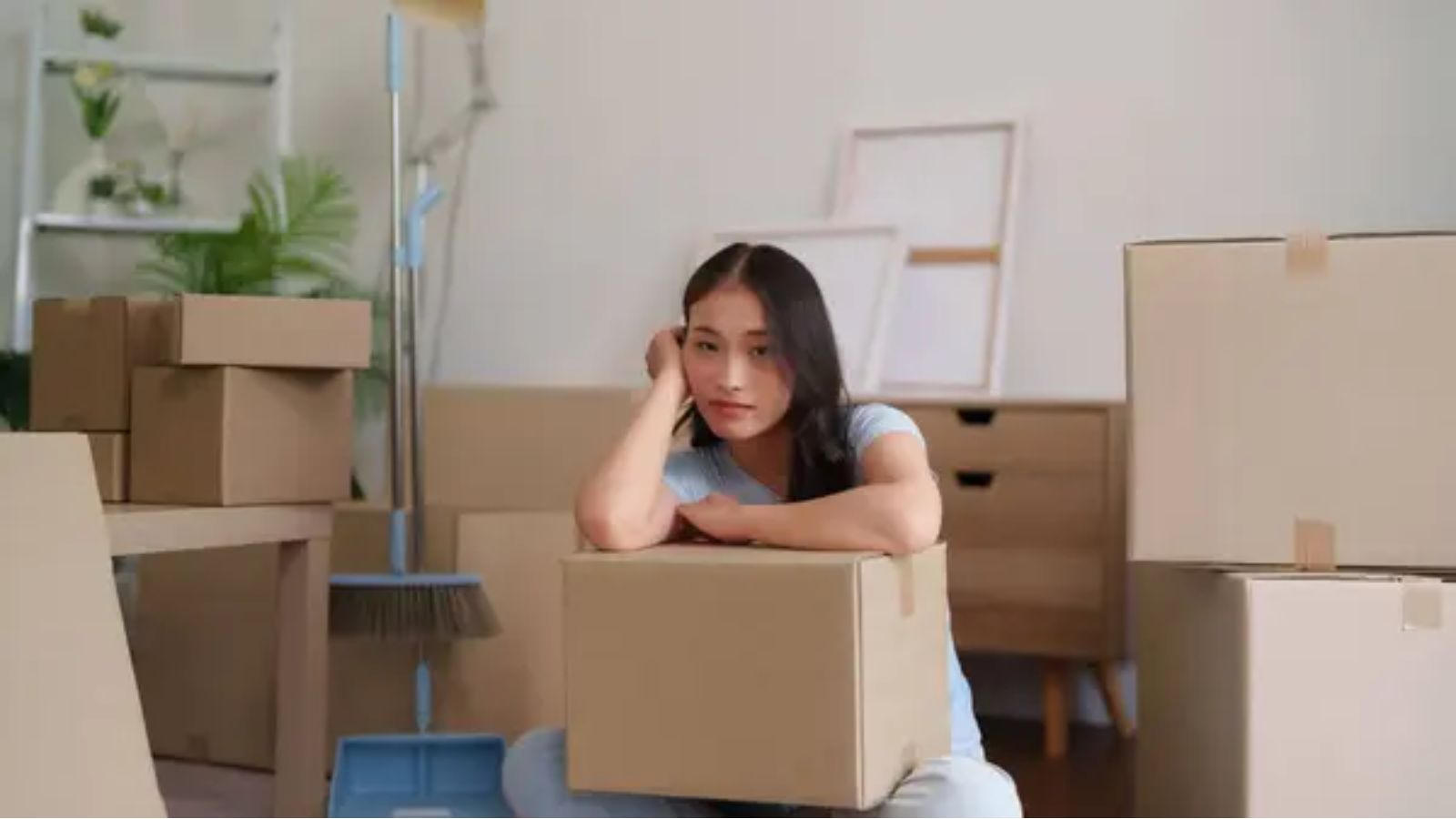
Living in a small home quickly teaches you what works and what gets in the way. A bulky piece of furniture can eat up valuable floor space, while a few hooks or a lighting change can make daily life much easier.
In a recent Reddit discussion, people shared little changes that made their homes more comfortable without major renovations or expensive purchases. Many of their ideas came from noticing everyday frustrations and finding practical ways to fix them.

Decluttering Before Trying to Organize Everything
Buying more baskets and storage bins won’t solve the problem if you simply have too many belongings for your available space. Start by sorting through clothes, kitchenware, and household items you rarely use before deciding what storage you really need.
Related: 13 Home Features From the Past You Rarely See Anymore
Adding Hooks Where Things Naturally Get Dropped
Put hooks near the door where jackets, purses, backpacks, and keys tend to land after someone comes home. Giving these items a convenient spot can keep chairs, counters, and floors from turning into cluttered drop zones.
Using the Space Under Furniture
The area beneath beds and sofas can hold plenty of items that might otherwise need a closet or cabinet. Under-bed storage boxes or furniture with built-in drawers make use of that space without adding another piece to the room.
Adding Another Shelf to Closets
Check the empty space above your existing closet shelf to see whether another shelf would fit. The extra level can hold seasonal clothing, spare linens, and other belongings you don’t need to access daily.
Related: 15 Home Decor Mistakes That Could Be Making Your Space Look Chaotic
Choosing Furniture That Doesn’t Have to Stay Out
A full-size dining table can take over a small kitchen or living area, especially if you only use it for occasional meals or gatherings. A drop-leaf or gateleg table gives you a place to eat or work when needed and folds down when you want more floor space.
Using More Closed Storage
Open shelving keeps belongings within easy reach, but a mix of books, containers, and miscellaneous items on display can make a small room look crowded. Cabinets, drawers, and lidded boxes hide everyday clutter while keeping your belongings close at hand.
Taking Storage Up the Walls
When floor space is limited, walls can provide extra room for storage without making the area harder to walk through. Tall bookcases, floating shelves, and wall hooks can hold books, accessories, and everyday items, as long as they’re securely installed.
Related: 13 Things You Have at Home That Could Become Dangerous Fire Hazards
Putting a Mirror Across From a Window
A mirror placed opposite or beside a window can reflect daylight into parts of a room that might otherwise feel dim. It won’t make the room physically larger, but the extra reflected light can make the space feel brighter and more open.
Replacing Harsh Overhead Lighting
A single bright ceiling fixture may illuminate the whole room, but it can leave corners feeling stark or uncomfortable. Add lamps or adjustable lighting near your reading chair, desk, or kitchen work area so you can light the places you use most.
Making Cabinets and Drawers Work Harder
Deep cabinets and large drawers can waste space if everything is piled together or pushed toward the back. Drawer dividers, pull-out shelves, and small bins make it easier to reach what you need without moving half the contents first.
Rethinking Rooms That Aren’t Being Used
A room doesn’t have to keep its original purpose if your household needs something different. A dining room that’s rarely used for meals could become a home office, reading corner, hobby area, or playroom.
Organizing Around Real Habits
Storage works better when it fits the way your household already moves through the day. If shoes always end up by one door or mail collects on the same counter, put a shoe rack or mail tray there instead of forcing a routine that never sticks.