Some home features disappear because they are no longer useful, while others fade away as decorating tastes change. Looking at older houses can still be a fun reminder of how differently people once used the spaces they lived in.
Homeowners today often want rooms that serve multiple purposes, which has changed how houses are planned and decorated. A 2022 U.S. Houzz and Home Study found that median home improvement spending rose from $15,000 in 2020 to $18,000 in 2021, indicating how much homeowners were investing in their homes as their needs changed.
Here are 13 home features that were once common but have become much harder to find.
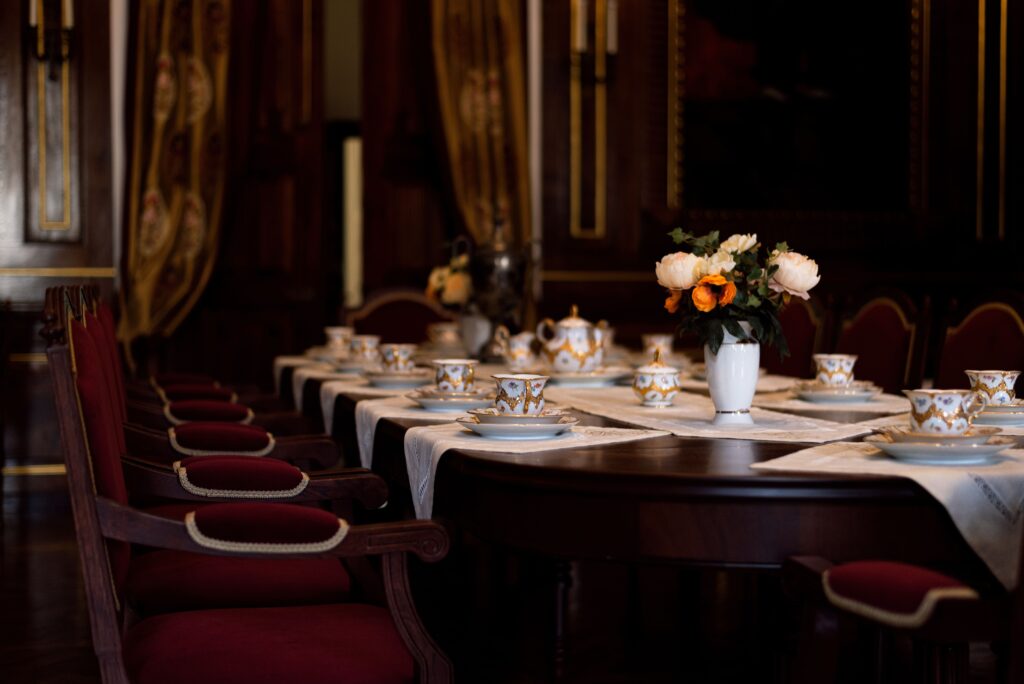
Formal Dining Rooms
Formal dining rooms were once a standard feature in many homes, providing families with a dedicated space for holiday meals, dinner parties, and special occasions. Today, many homeowners prefer a dining area connected to the kitchen, and National Association of Home Builders surveys from 2015 and 2016 found that 86 percent of households wanted a combined kitchen and dining space.
Related: 12 Surprising Home Insurance Details Every Homeowner Should Know
Dutch Doors
Dutch doors were split horizontally, allowing the top half to open while the bottom remained closed. They provided ventilation and a way to talk with someone outside while still offering a measure of security, but modern air conditioning and home security systems have made them less common.
Sunken Living Rooms
Sunken living rooms became popular in the 1960s and 1970s, with the lower floor creating a separate spot for conversation and entertaining. Design historian Alessandra Wood described these conversation pits as spaces designed to bring people together, but concerns about falls and accessibility helped push the style out of favor.
Related: 12 Martha Stewart Home Decor Tips That Can Make Your Home Look Better
Mudrooms
Older homes often had small entry areas where people could remove muddy shoes, hang coats, and leave outdoor gear before heading into the rest of the house. Modern mudrooms have turned that basic idea into organized storage spaces, and a 2020 Houzz survey found that 57 percent of homeowners considered a mudroom a necessity.
Wallpaper
Wallpaper once covered countless walls with patterns, colors, and textures that gave each room a distinct look. Paint became the easier choice for many homeowners because it is usually simpler to apply, touch up, and change when tastes change.
Popcorn Ceilings
Popcorn ceilings became popular from the 1950s through the 1980s because the textured surface could hide imperfections and was also valued for its sound-dampening qualities. Older popcorn ceilings can also raise concerns about asbestos, since asbestos-containing materials were used in some ceiling products before restrictions took effect.
Formal Entryways
Large formal entryways once served as the first major room guests saw upon entering a house. Open floor plans have made smaller, more connected entrances more common, with homeowners often preferring an entry that flows directly into the living area.
Related: 13 Nate Berkus Home Design Choices That Make Designers Cringe
Clawfoot Tubs
Clawfoot tubs were once a standout feature in bathrooms, particularly in homes influenced by Victorian design. Today’s bathrooms tend to favor built-in tubs, showers, and fixtures that take up less floor space, although vintage tubs still have plenty of fans.
Chandeliers
Large chandeliers were once used to make dining rooms, entryways, and other spaces feel more formal and impressive. Many homeowners now lean toward simpler light fixtures that take up less visual space and fit more casual interior styles.
Hidden Rooms and Home Libraries
Secret rooms and dedicated home libraries once gave houses a distinctive feature for reading, collecting books, or simply getting away from the rest of the household. Libraries still appeal to serious readers, but smaller homes and the rise of digital books have made entire rooms devoted to books less common.
The Parlor
The parlor was once the main place for sitting with guests, having conversations, and enjoying music or other forms of entertainment. According to Teaching With Themes, parlors with organs or pianos could also signal that a family had the money, leisure, and cultural background to own and play these instruments.
Related: 10 Home Improvement Hacks That Can Save You Time and Money
Built-In Furniture
Built-in bookcases, cabinets, benches, and other furniture were popular because they provided storage while becoming part of the home’s structure. Custom furniture remains popular today, with Straits Research reporting that the global customized furniture market was valued at $31.50 billion in 2023, yet many homeowners still prefer movable pieces that can be rearranged.
Phone Nooks
Phone nooks were small built-in spaces created specifically for the household landline, often with a shelf or seat nearby for taking calls. Smartphones have made dedicated phone spaces unnecessary, and a Pew Research Center study found that 97 percent of Americans own a cellphone, while modern homes are more likely to include charging areas for several devices.