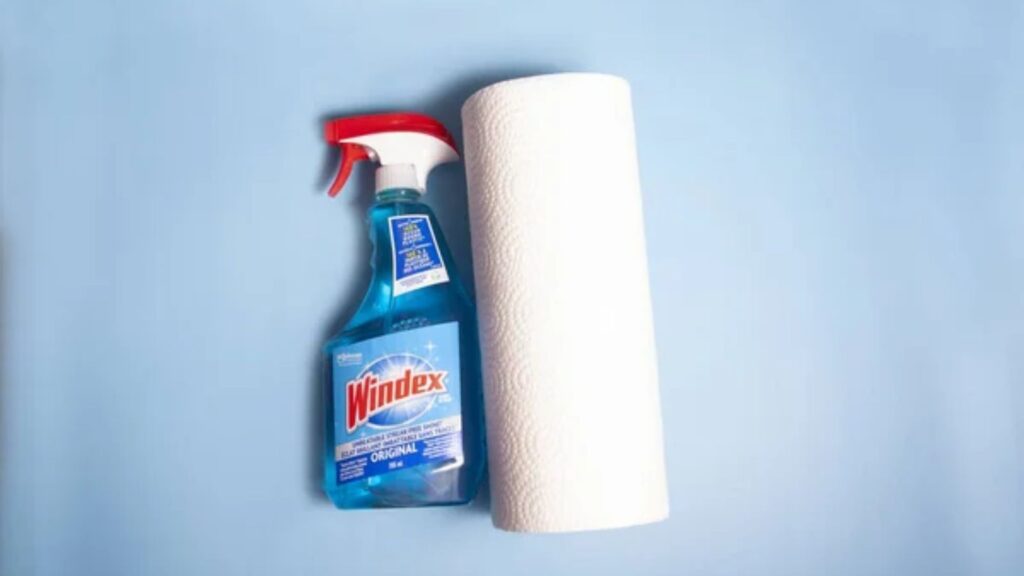
Windex is a familiar cleaning staple, but windows and mirrors aren’t the only places people reach for it. Depending on the formula and the surface, it may help with fingerprints, light grime, and a few stubborn household messes.
Before trying it somewhere new, check the product label and the surface manufacturer’s care instructions. Test an inconspicuous spot first, and use a different cleaner if the material could be damaged by the formula.
Remove Crayon Marks From Painted Walls
If your little artist has left crayon marks on a washable wall, a small amount of Windex on a soft cloth may help lift some of the marks. Test a hidden area first, wipe gently, and use a damp cloth afterward to remove any residue.
Related: 14 Surprising Uses for Banana Peels
Clean Compatible Kitchen Surfaces
Laminate surfaces and some cool stovetops may be suitable for Windex, provided the product label and manufacturer’s instructions allow it. Apply a little to a cloth rather than spraying near burners or electrical controls, and use a surface-specific cleaner for natural stone, specialty finishes, and heavy grease.
Loosen Sticky Sticker Residue
Price tags and labels can leave sticky patches after the paper is removed. On a compatible, non-porous surface, try a little Windex on a cloth and gently lift the softened residue with a plastic scraper if needed.
Related: 17 Unique Ways to Remove Sticker Residue From Glass
Tackle Small Carpet Stains
Fresh spills are often easier to treat before they have time to settle into carpet fibers. Since it can affect carpet dyes or fibers, check the label and test a hidden spot first, then use a carpet cleaner if you’re unsure whether the formula is suitable.
Freshen Up Certain Jewelry
Some jewelry made from compatible hard materials may benefit from a gentle wipe to remove fingerprints and everyday grime. Check with the jeweler or manufacturer before using Windex, and keep it away from pearls, opals, porous gemstones, plated finishes, and delicate settings.
Tackle Everyday Bathroom Grime
Fingerprints on suitable faucets and light residue on glass shower doors can make a bathroom look less clean than it is. If the finish is compatible with your Windex formula, apply a little to a cloth and wipe the area, using a bathroom cleaner made for stubborn soap scum or mineral deposits.
Related: 10 Things Hiding in Your Bathroom Cabinets That You Should Throw Away
Wipe Down Compatible Car Interior Surfaces
Hard plastic and vinyl inside a car can collect fingerprints, dust, and marks from daily use. Check the vehicle’s care instructions first, apply cleaner to a microfiber cloth rather than spraying the dashboard, and avoid screens, leather, and electronic openings.
Freshen Up Glazed Ceramic Tile
Glazed ceramic tiles can collect fingerprints, dust, and light grime that leave them looking dull. Windex may work for a quick wipe on compatible tiles, but check the manufacturer’s guidance before using it on grout, natural stone, unglazed tile, or specialty finishes.
Lift Small, Fresh Paint Splatters
Tiny paint splashes can land on nearby glass or other smooth surfaces during a home project. If the surface is safe for Windex, a small amount may help with certain fresh splatters, but dried paint may need a suitable scraper or paint remover instead.
Related: 16 Uses for Salt That Don’t Involve Cooking
Clean Traditional Whiteboards
Whiteboards can develop a hazy layer of marker residue after weeks of writing and erasing. A little Windex on a soft cloth may work on some traditional nonporous boards if the manufacturer allows it, while specialty coated boards may need a specific cleaning product.
Clean Glass Tables and Shelves
Glass coffee tables and display shelves tend to show every fingerprint and speck of dust. Move nearby objects, apply Windex to a clean microfiber cloth, and wipe the glass while keeping the cleaner away from wood, stone, and other sensitive materials.
Freshen Up Glass Cabinets and Light Fixtures
Glass cabinet doors and light shades can become dull from dust and fingerprints, especially in busy rooms. Turn off lights and let fixtures cool before cleaning, apply Windex to a cloth instead of spraying near electrical fittings, and clean only glass parts the manufacturer says are suitable for the product.
Other posts you might like:
- Banana Peels Might Be the Most Underrated Natural Boost for Your Garden
- I Stopped Using Dryer Sheets in the Dryer—Here’s Where I Use Them Instead
- Stop Throwing Away Orange Peels — Some Call Them Trash, Others Call Them Kitchen Gold
- Simple DIY Fixes for the Most Annoying Problems Around the House
- 15 Incredible Ways to Repurpose Used Coffee Grounds