
Recycling is a simple act with profound positive environmental impacts. We all know how to recycle paper and bottles, but many other everyday items can also be recycled. If we take the time to expand our view of what materials are recyclable, then we should be able to make a significant dent in waste going forward.
This list of fifteen everyday products can be recycled, enabling us to improve our environmental practices. When we include these items in our recycling efforts, we advance the growth of a more sustainable future by ensuring necessary materials are being rightfully recycled and not ending up in landfills.
Toothbrushes

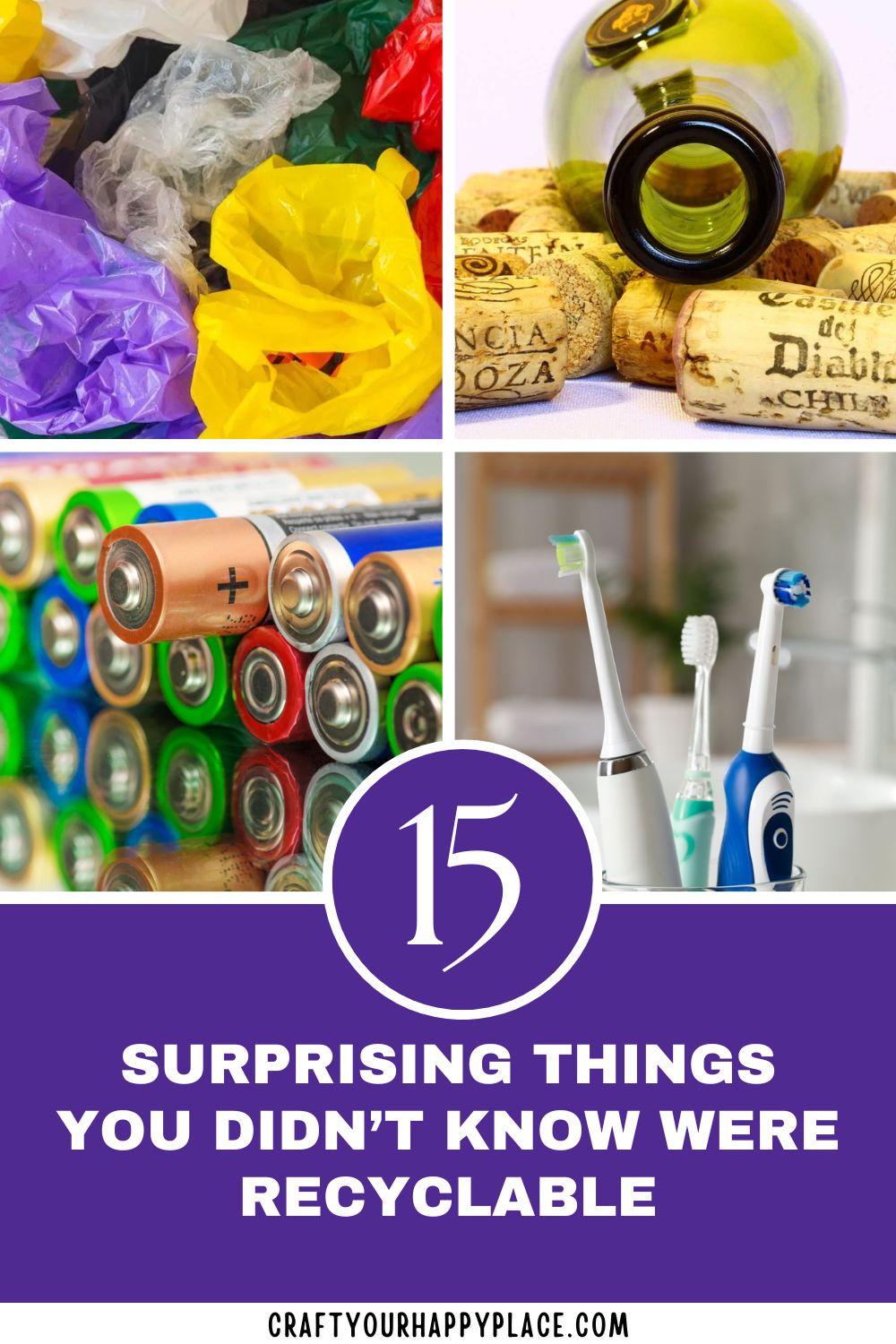
Almost all toothbrushes are constructed from that ever-pervasive recyclable plastic. A range of upcycling programs is designed to take old toothbrushes and create new products from them. Recycling toothbrushes keeps them from adding to the mounting plastic waste.
Shampoo Bottles

Shampoo bottles are among the most common household items, but can be easily recycled if cleaned properly. They are all composed of high-density polyethylene (HDPE), one of the plastic types most frequently accepted by curbside recycling programs. Make sure to rinse and dry them before recycling them; otherwise, they may contaminate the recycling.
Batteries

Alkaline and rechargeable batteries, like other heavy metals and toxic chemicals, should not be disposed of in landfills. Instead, they should be recycled in battery recycling programs or designated drop-off locations. Recycling protects the environment and reuses materials for future use.
Wine Corks

We know you can recycle them, but these bottle corks are still in the bin. According to everydayrecycler.com, wine bottle corks can be recycled into pushpin insulation, corkboards, coasters, flooring, and even shoes. In addition to saving an unimaginable number of trees, recycling cork is also a way of promoting responsible forest management.
Eyeglasses

Many recycling programs will redistribute old eyeglasses to those who can use them. Give old eyewear a new lease on life by sending it to organizations that collect and redistribute glasses worldwide. It is a simple act that means the world to some, as it genuinely makes glasses last longer and helps those who cannot afford vision care.
CDs and DVDs

While CDs and DVDs might be old news, alum is one of the rare materials being recycled today. These discs can be sent to specialized e-waste recycling centers, which recover metals such as gold and silver. Recycling ensures that the hazardous materials contained within are removed from the waste stream, permitting them to be recovered.
Plastic Bags

While many plastic bags and films are not accepted in household recycling programs curbside, they can occasionally be delivered to designated drop-off bins located at grocery stores. Recycling keeps them from becoming litter and polluting the environment, and helps ensure they become new products like composite decking.
Clothing

If you feel that donating is impossible, some pilling and damaged clothing may still be acceptable for recycling. Textile recycling programs can repurpose old fabric into new materials and products, like insulation. When you recycle clothes, you help keep landfills less full and support industries that use resources better.
Light Bulbs

These, as well as regular incandescent bulbs and CFLs, could be considered potential recycling candidates. These facilities can properly dispose of bulbs and recycle glass, metal, and other materials so that mercury and other dangerous toxins do not pollute the air or water. Make sure to recycle light bulbs according to local guidelines and disposal programs.
Cooking Oil

Avoid throwing away used cooking oil by recycling instead of pouring it down the drain, which can damage plumbing and nature. Local recycling, for instance, turns used oil into biofuel or other sustainable products. Recycling cooking oil, on the other hand, contributes to green energy programs and helps prevent pollution.
Pens and Markers

Once pens and markers have been emptied, they typically go into the bin. However, they are recyclable. They go to specialized recycling programs, which break them down into new products made from their raw materials. These programs help reduce the amount of plastic thrown away and promote more resource recycling.
Mattresses

Mattresses are huge space hogs in landfills, which is sad because most are recyclable (steel, wood, and fabric)! They can be broken down at specialized recycling centers, and the pieces can be recycled into new products. When mattresses are recycled, less rubbish goes to landfills, and it promotes the reuse of materials.
Mobile Phones

Since they contain precious metals such as copper and gold, mobile phones are valuable when recycled and should never go in regular trash. However, several manufacturers and stores offer trade-in and recycling programs. When recycling mobile phones, we save resources and eliminate pollution.
Toothpaste Tubes

Certain manufacturers or specialty programs will accept toothpaste tubes for recycling, but they are not yet commonly recycled, so please check locally. These programs recycle used tubes into new plastic products to reduce waste. How Does Toothpaste Tube Recycling Help?
Coffee Pods

There are recycling programs for single-use coffee pods that have systems to separate the plastic, metal, and organic matter. When properly recycled, these materials can be turned into new products—from garden soil amendments to plastic goods. Using a coffee pod recycling process also keeps them from becoming part of yet more landfill pollutants.