Most people think about candles, overloaded outlets, or faulty wiring when they think about house fires. But some everyday items can also become fire hazards if they are damaged, overheated, left too close to a heat source, or allowed to accumulate around appliances.
A few of these hazards are easy to overlook because they seem completely harmless. Taking a quick look around your home can help you spot potential problems before they become much more serious.
Old Newspapers and Magazines
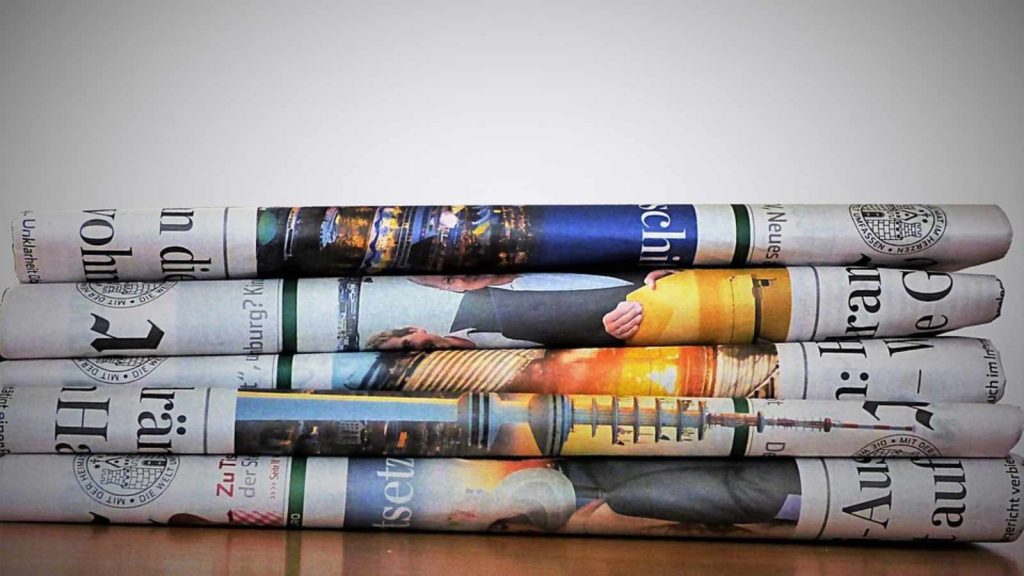
Old newspapers and magazines can pile up quickly, especially in rooms where they are kept near radiators, heaters, or other warm appliances. Paper burns easily, so recycle or dispose of old stacks rather than letting them accumulate near heat sources.
Related: 16 Things Older Adults Can Safely Clear Out of Their Homes
Heating Pads and Electric Blankets
Heating pads and electric blankets can become dangerous if their cords or wiring are damaged or if they are used incorrectly. Check them for worn areas, follow the manufacturer’s instructions, and turn them off when they are no longer needed.
Toaster Crumbs
Small crumbs can collect inside a toaster and eventually become fuel for a fire. Empty the crumb tray and clean the toaster regularly, especially if you use it often.
Related: 12 Things That Could Mean Bats Are Roosting in Your Basement
Scented Candles
Scented candles can create a cozy atmosphere, but an open flame should never be left unattended. Keep candles on a stable, heat-resistant surface, away from curtains, paper, furniture, and other flammable materials, and put them out before leaving the room.
Laptop on the Bed
Using a laptop in bed may be comfortable, but blankets and pillows can block the vents that release heat from the device. Use your laptop on a hard, flat surface that allows air to move around it and helps prevent overheating.
Dryer Lint
The lint trap isn’t the only place lint can collect around your dryer. Lint that builds up around the dryer, vent, or exhaust hose can easily catch fire, so clean these areas regularly and keep the vent system clear.
Related: 12 Things Homeowners Should Do Before Listing Their House for Sale
Extension Cords
Plugging too many devices into one extension cord can cause it to carry more electricity than it can safely handle. Extension cords are best used for temporary needs, and damaged or overloaded cords should be replaced rather than left in use.
Portable Heaters
Portable heaters can become dangerous when placed too close to curtains, bedding, furniture, or other flammable items. The Groton Utilities guide recommends keeping at least three feet of space around a heater, and you should turn it off before leaving the room or going to sleep.
Stacks of Old Bills or Mail
Old bills, letters, and junk mail can create a large pile of highly flammable paper when left near a heat source. Sort through paper clutter regularly and keep it away from candles, heaters, stovetops, and other heat sources.
Related: 17 Things in Your Apartment That Belong in the Trash
Bathroom Fans
Bathroom exhaust fans can collect dust and lint, which may cause the motor to run hotter than it should. Clean your bathroom fans regularly and watch for unusual noises, slow operation, or signs of overheating.
Cooking Oils Left Near Heat
Cooking oil bottles should be kept away from the stovetop and other hot surfaces, even if that spot seems convenient while preparing a meal. Heat can cause oil to ignite, so store bottles in a cool area and keep them away from burners and other heat sources.
Dust Bunnies Near Outlets
Dust and lint can collect around outlets, switches, power strips, and the backs of appliances where they are easy to overlook. Keep these areas clean and check for damaged outlets, loose connections, or signs of overheating while you dust.
Related: 12 Things You Should Always Wash in Hot Water
Old Appliances
Older appliances can have worn wiring, damaged parts, or safety features that no longer work as they should. If an appliance shows signs of electrical issues, overheating, or damage, replacing it with a newer, safer model may be a better choice than continuing to use it.