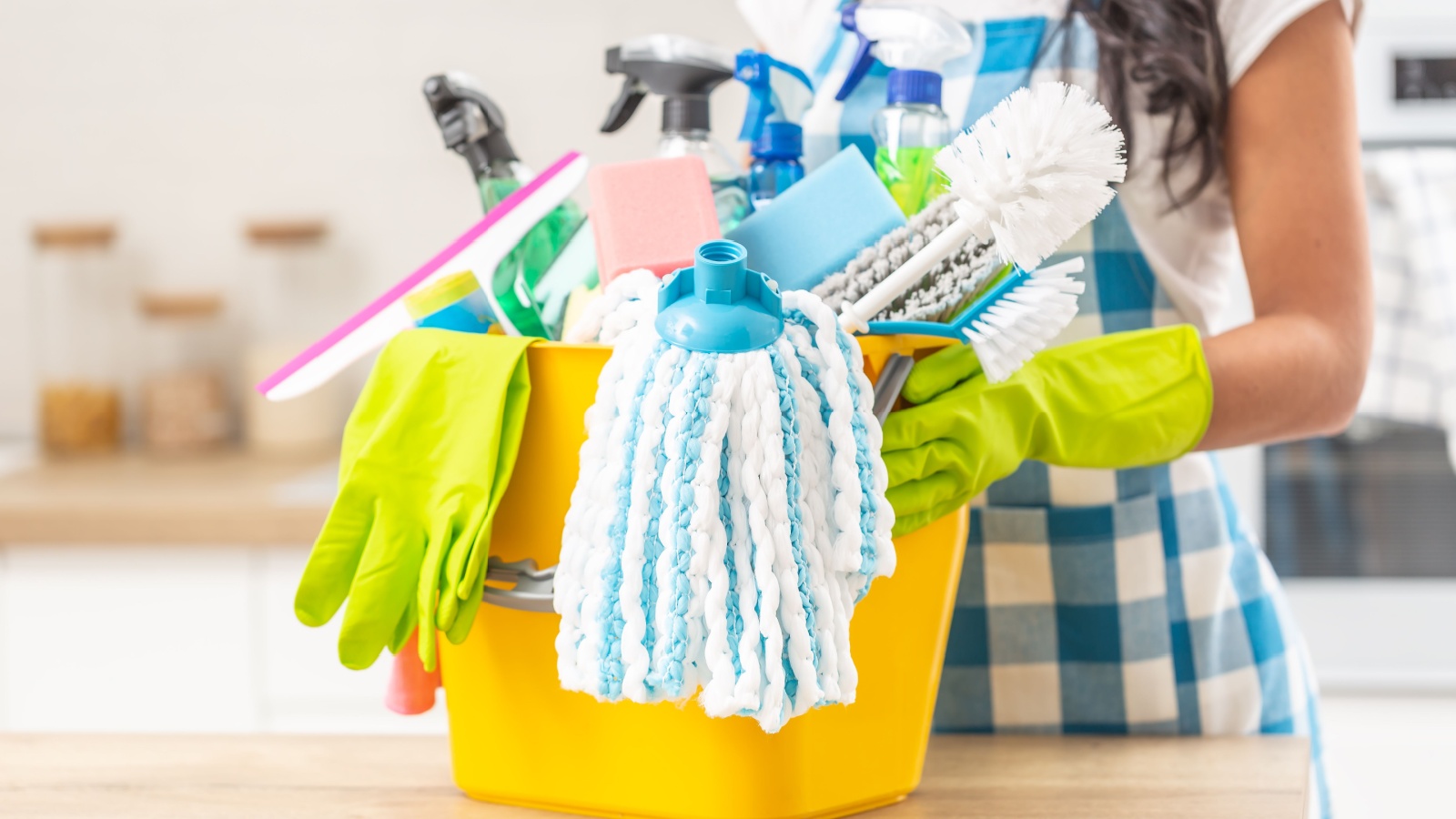
Your home is full of everyday things that make life easier, but some can cause problems if they’re used or left unchecked for too long. A few may damage surfaces, while others can contribute to moisture issues, poor indoor air quality, appliance wear, or expensive repairs.
The good news is that most of these problems are easy to prevent once you know what to watch for. A little routine maintenance and a few changes to how you use certain household items can help protect your home.
Vinegar
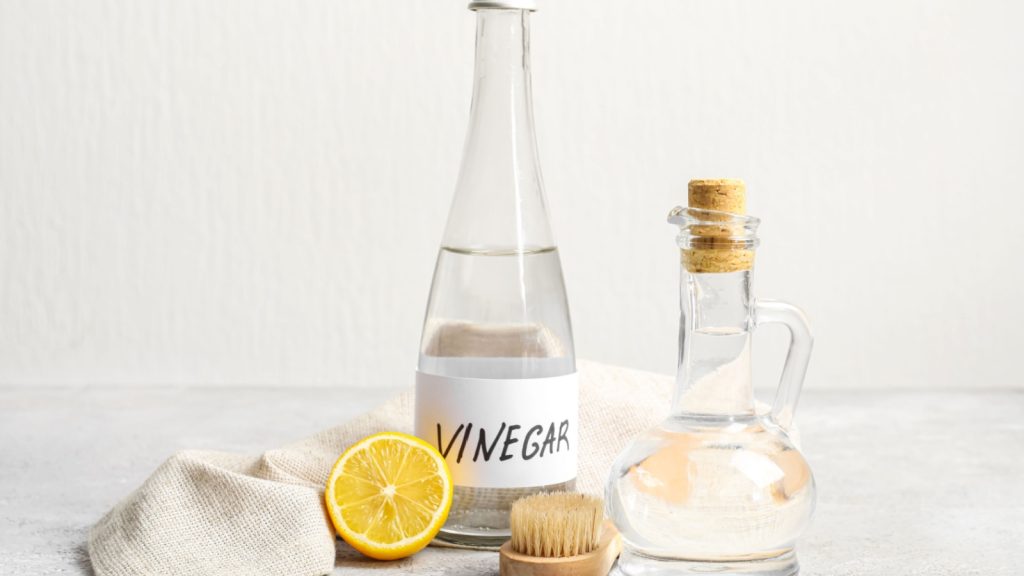
Vinegar works well for some cleaning jobs, but its acidity can damage certain surfaces. It can dull natural stone such as marble and granite and may wear down some grout, so check the care instructions before using it.
Related: 12 Things You Should Always Wash in Hot Water
Air Fresheners
Air fresheners can cover unpleasant smells, but some contain ingredients that may affect indoor air quality. Use them sparingly and keep rooms well ventilated, or try simpler options such as opening windows or using naturally scented products.
Pet Urine
Pet accidents can soak into carpets and flooring, leaving behind stains and stubborn odors if they aren’t cleaned quickly. Repeated moisture can also damage wood floors and create conditions where bacteria or mold may grow, so clean accidents thoroughly with a pet-safe product.
Bleach
Bleach is useful for disinfecting certain surfaces, but frequent or improper use can damage materials such as grout and some metals. Follow the product directions and avoid using it on surfaces that aren’t compatible with bleach.
Related: 17 Things in Your Apartment That Belong in the Trash
Leaky Faucets
A dripping faucet may seem like a minor annoyance, but a persistent leak wastes water and can create moisture problems nearby. Check faucets and connections regularly, and repair leaks before they cause stains, mold, or damage to cabinets and flooring.
Old Carpeting
Old carpet can hold dust, allergens, odors, and moisture, especially when the padding underneath has started to break down. If the carpet has become difficult to clean or smells musty, replacing it with easier-to-maintain flooring may help improve the room.
Hard Water Deposits
Hard water leaves behind minerals that can build up on faucets, showerheads, pipes, and appliance parts. Over time, this buildup can restrict water flow and make appliances such as water heaters, washing machines, and dishwashers work harder.
Running Toilet
A toilet that runs constantly wastes a surprising amount of water and may indicate a faulty valve or another plumbing problem. Fixing the issue early can keep your water bill from climbing and help prevent moisture damage around the toilet.
Related: 16 Things Narcissists Intentionally Do To Hurt You On Purpose
Candle Soot
Burning candles can leave black soot on walls, ceilings, furniture, and fabrics, especially when the flame produces a lot of smoke. Trim the wick, keep the candle away from drafts, and choose cleaner-burning candles to reduce soot buildup around your home.
Mothballs
Mothballs contain chemicals that can release fumes into the air, particularly when they’re used in poorly ventilated spaces. Keep them away from living areas and consider alternatives such as cedar products for storing clothing and linens.
Plastic Food Containers
Old plastic containers can become scratched, cracked, or stained, making them harder to clean properly. Replace damaged containers and consider using glass or other food-safe containers better suited for long-term use.
Overloaded Electrical Outlets
Plugging too many devices into one outlet or power strip can create excess heat and raise the risk of an electrical fire. Spread high-powered appliances across appropriate outlets and avoid using damaged cords or power strips.\
Related: 12 Things That Could Mean Bats Are Roosting in Your Basement
Household Plants
Indoor plants can add life to a room, but overwatering them can create excess moisture around floors, furniture, and windowsills. Use pots with drainage holes, empty excess water from saucers, and keep plants from sitting directly on surfaces that can be damaged by moisture.
Unsealed Windows
Gaps around windows can allow rain and moisture into your home, which may lead to peeling paint, mold, or damage to the surrounding frame. Check the seals and caulking around your windows and repair worn areas before water has a chance to get inside.
Clogged Gutters
Gutters filled with leaves and debris can prevent rainwater from draining away from your house properly. Overflowing water can damage the roof, siding, foundation, and landscaping, so clean your gutters regularly and ensure that downspouts direct water away from the home.
Old HVAC Filters
A dirty HVAC filter can restrict airflow and force your heating and cooling system to work harder. Replace filters according to the manufacturer’s recommendations to maintain airflow, reduce dust, and minimize unnecessary strain on the system.
Dryer Lint
Dryer lint is highly flammable, and allowing it to build up in the lint trap or vent can restrict airflow and raise the risk of overheating. Clean the lint trap after every load and check the vent regularly, since lint buildup can create a serious fire hazard.
Dishwasher Detergent
Some dishwasher detergents can be harsh on seals, finishes, and certain parts of the machine, especially when the wrong amount is used. Follow the dishwasher manufacturer’s recommendations for detergent and dosage to reduce residue and unnecessary wear on the appliance.