Chain supermarkets still make up a huge part of the U.S. grocery business, but the industry is under plenty of pressure. Higher operating costs, inflation, changing shopping habits, online grocery orders, and aggressive competition from discount retailers have made it harder for some familiar names to keep their footing.
Shoppers have also become more selective about where they spend their money. Walmart, Aldi, Costco, and other value-focused retailers continue to attract customers looking for lower prices, while online grocery shopping has made convenience just as important as location.
Some longtime grocery brands have responded with store remodels, smaller footprints, new ownership, or changes to their business models. Others have closed locations or are still trying to figure out what today’s shoppers want.
Here are 15 grocery chains facing a particularly challenging period in 2026.
Safeway
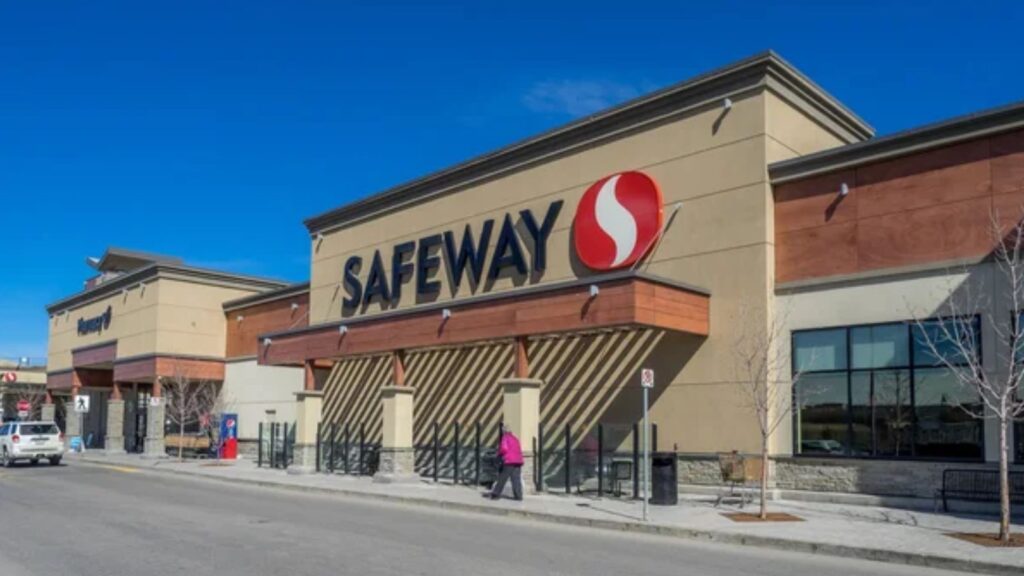
Safeway remains a familiar name across the U.S., but the chain has faced plenty of criticism over pricing and competition. As shoppers compare grocery bills more closely, higher prices can make it difficult for Safeway to compete with stores such as Aldi and Walmart.
The chain is also dealing with the broader uncertainty surrounding Albertsons and its efforts to remain competitive in a crowded grocery market.
Albertsons
Albertsons has faced its own set of challenges as the company deals with changing shopping habits and pressure from lower-cost competitors.
The proposed Kroger-Albertsons merger also brought increased attention to the company’s store portfolio and the possibility of locations being sold or closed. At the same time, shoppers have become more comfortable with online ordering, curbside pickup, and discount grocery formats.
Keeping customers coming back means giving them a reason to choose Albertsons when cheaper options are close by.
Winn-Dixie
Winn-Dixie has long been associated with grocery shopping in the South, but its future looks very different after Aldi’s acquisition of Southeastern Grocers in 2024.
Aldi has been converting some Winn-Dixie locations into Aldi stores while keeping other Winn-Dixie stores operating. That has left shoppers in some communities wondering how long their local stores will remain.
The transition also reflects a broader problem for traditional supermarkets: competing against a retailer built around a smaller selection and lower operating costs can be difficult.
Harveys Supermarket
Harveys Supermarket has also been affected by the changes surrounding Southeastern Grocers. The chain has a much smaller presence than it once did, leaving longtime customers with fewer locations to choose from.
Aldi’s acquisition brought additional changes to the brand, including plans involving store conversions. For communities that have relied on Harveys for years, those changes can be especially noticeable.
ShopRite
ShopRite remains a major name in the Northeast, but independent ownership of many locations means the shopping experience and pricing can vary from store to store.
The chain faces plenty of competition from Walmart, Aldi, Costco, and other retailers that have trained shoppers to compare prices before filling their carts.
Higher labor, utility, transportation, and food costs also make it harder for grocery stores to keep prices low while maintaining healthy margins.
Save A Lot
Save A Lot built its reputation around inexpensive groceries, but the budget-shopping market has become crowded.
Aldi, Walmart, Dollar General, and other discount retailers are all fighting for customers who want to spend less on food. That puts pressure on Save A Lot stores to offer competitive prices while keeping enough products on the shelves to give shoppers a reason to return.
Its franchise-heavy business model can also make it harder to create a consistent experience across every location.
Amazon Go
Amazon Go tried to change the way people shop for groceries and convenience items with its cashier-free stores. Customers could walk in, pick up their purchases, and leave without going through a traditional checkout.
The concept generated plenty of attention, but it hasn’t become the retail revolution some expected. Amazon has closed a number of its physical stores and has been testing different formats and locations.
The bigger question is whether shoppers actually prefer a completely automated experience or simply want a faster, easier way to shop.
Smart & Final
Smart & Final occupies an unusual spot between a traditional supermarket and a warehouse-style retailer. Its bulk products and restaurant-size packages appeal to families, small businesses, and shoppers who buy large quantities.
Still, Walmart, Costco, Sam’s Club, and other retailers offer plenty of bulk-buying options. Customers can often compare prices with just a few taps on their phones, making it harder for smaller chains to stand out.
Inflation and higher distribution costs add another layer of pressure.
Giant Eagle
Giant Eagle remains a major grocery name in parts of the Midwest and Northeast, but the company has had to contend with rising expenses and intense competition.
Like many traditional supermarkets, it is also dealing with customers who increasingly expect online ordering, curbside pickup, delivery, loyalty discounts, and competitive pricing.
Those services cost money to operate, which can make it difficult to balance convenience with affordable grocery prices.
Stop & Shop
Stop & Shop has been shrinking its footprint in several markets as the company tries to improve its financial performance.
Store closures have been particularly noticeable in parts of the Northeast, where shoppers have plenty of alternatives. Aldi, Walmart, Costco, Trader Joe’s, and regional supermarkets all compete for the same grocery dollars.
Labor costs and older store locations can add to the challenge. For a chain with a large network of traditional supermarkets, keeping every location profitable isn’t easy.
Piggly Wiggly
Piggly Wiggly has a special place in grocery history. The chain helped introduce ideas such as self-service shopping and checkout lanes long before they became standard.
Today, though, the brand faces a much different grocery market. Large national retailers can negotiate huge purchasing deals, while discount chains keep prices low through smaller stores and limited selections.
Piggly Wiggly still has loyal shoppers in the communities where it operates, but maintaining that customer base is becoming harder as more choices appear.
Lucky Stores
Lucky Stores has deep roots in California, but the brand has struggled to maintain the visibility it once had.
Competition from Trader Joe’s, Costco, Walmart, Whole Foods, and other grocery retailers has made the California market especially competitive. Shoppers now expect convenient digital services, attractive stores, competitive prices, and frequent promotions.
For an older regional brand, keeping pace with those expectations can require a major investment.
Big Y
Big Y remains a well-known New England supermarket chain, but regional grocers face many of the same pressures affecting larger companies.
Higher labor and operating costs can eat into profits, while shoppers can easily compare prices with Walmart, Aldi, Costco, and other competitors.
The chain has also dealt with store-specific setbacks, including the temporary closure of delis following a listeria contamination incident. Big Y closed delis to destroy contaminated products, showing how quickly a food-safety issue can disrupt normal operations.
Food Lion
Food Lion has made efforts to update its stores and keep pace with changing customer expectations, but the competition remains intense.
Older stores can require costly renovations, while shoppers increasingly expect online ordering, pickup services, loyalty programs, and convenient checkout options.
Food Lion has been investing in store remodels as part of its efforts to keep its locations competitive. The company’s remodeling efforts show how much work traditional supermarkets may need to put into their stores to keep shoppers interested.
The chain is also competing with retailers that have found new ways to offer value and convenience. Innovative grocery solutions are changing what shoppers expect from the stores they visit.
Food Emporium
Food Emporium occupies a more specialized position in the grocery market, with stores aimed at shoppers looking for a broader selection and more upscale products.
That can be difficult territory. Customers who want low prices have plenty of discount options, while shoppers looking for premium groceries can choose from larger chains with greater buying power.
Food Emporium’s challenge is finding enough customers who value what the brand offers while keeping its stores profitable. In a grocery market where shoppers are watching every dollar, that can be a difficult balance to maintain.
What These Grocery Chains Are Up Against
The problems facing these retailers aren’t all the same. Some are dealing with ownership changes or store closures, while others are trying to compete with discount chains that have built their businesses around lower costs.
But the pressure is similar across much of the industry. Grocery shoppers have more choices than ever, and switching stores is easy when another retailer offers lower prices, better promotions, or a more convenient shopping experience.
For these longtime grocery names, staying relevant in 2026 means giving customers a good reason to keep coming back. That could mean lower prices, better stores, stronger online services, or simply providing something shoppers can’t get from the discount chains down the road.