
It can be frustrating to replace an appliance that seems like it should have lasted much longer. A washing machine starts making strange noises after only a few years, a refrigerator develops a cooling problem, or a coffee maker suddenly stops working with little warning.
Some of this comes down to the way modern products are made. Today’s appliances often include more electronic controls, sensors, displays, software, and smaller components than older models did. Those features can make appliances easier to use, but they also give you more parts that can fail.
Cost plays a role, too. Manufacturers compete to keep prices attractive, and that can mean using less expensive materials or making repairs harder and more costly. In some cases, replacing an appliance can seem like a better deal than paying for a major repair.
The result is a growing pile of discarded electronics and appliances. The International Telecommunication Union reported that the world generated about 62 million tonnes of electronic waste in 2022.
Here are 25 everyday appliances and gadgets that many people feel don’t last as long as older versions did.
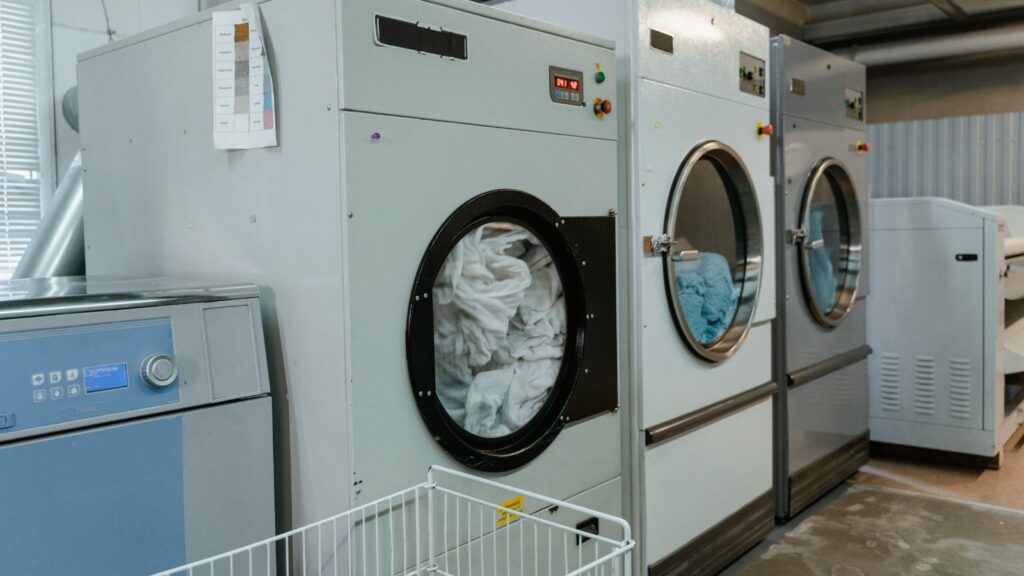
Washing Machines
Older washing machines were often built around straightforward mechanical parts that could keep working for many years. Modern machines bring electronic controls, sensors, digital displays, and more wash settings into the mix.
Those features are convenient, but they also introduce more components that can fail. Control boards, pumps, bearings, and other parts can turn a relatively minor problem into an expensive repair.
Related: 12 Ways You’re Washing Your Clothes Wrong Every Time
Refrigerators
Refrigerators from previous generations could often remain in service for decades with basic maintenance. Today’s models may include ice makers, water dispensers, digital controls, sensors, and Wi-Fi connections.
Each extra feature adds another possible failure point. A broken compressor or electronic control board can also make repairs expensive enough that replacing the refrigerator starts to look more appealing.
Microwaves
Older microwaves were fairly basic appliances with fewer controls and features. Many newer models include sensor cooking, touchscreens, multiple cooking programs, and other electronics.
The magnetron is still one of the main working parts, and once a major component fails, the repair bill can sometimes come close to the cost of a new microwave.
Dishwashers
Older dishwashers weren’t always as quiet or energy-efficient as today’s models, but their simpler construction made them easier to repair.
Modern dishwashers rely on pumps, sensors, electronic controls, spray arms, and other components. A failed control board or circulation pump can quickly turn an otherwise usable machine into an expensive repair project.
Related: Stop Putting These Items in the Dishwasher — It Will Ruin Them
Coffee Makers
A basic drip coffee maker has relatively few parts, which is one reason some older models seemed to last forever. Modern coffee machines can be much more complicated, especially pod machines and models with built-in grinders or specialty brewing settings.
Mineral deposits from hard water can clog pumps and internal passages. Once a pump, heating element, or electronic component fails, repairing an inexpensive coffee maker may not make financial sense.
Blenders
Older blenders were often built with sturdy motors and simple mechanical controls. Some could handle years of frequent use without much trouble.
Many lower-priced modern blenders use more plastic components and smaller gears. Digital buttons and multiple operating modes add more electronics that can eventually stop working.
Toasters
There’s something appealing about an old toaster that has done the same job for decades. Basic controls and relatively few parts leave little room for complicated failures.
Modern toasters may include bagel settings, countdown timers, electronic controls, and additional heating options. Those extras are useful, but they also give the appliance more parts that can fail.
Vacuum Cleaners
Older vacuum cleaners were often heavy, loud, and built around powerful motors. Many were easy to take apart when a belt or another basic component needed replacing.
Cordless models have made cleaning much easier, but their batteries eventually lose capacity. Some machines also have batteries that are difficult or expensive to replace, which can shorten the useful life of the vacuum.
Related: 12 Easy Ways to Clean Hard-to-Reach Spots Around Your Home
Electric Kettles
Electric kettles are fairly simple appliances, but their heating elements and electrical connections can deteriorate over time. Mineral buildup from hard water can make the problem worse.
Modern kettles may also include automatic shutoff systems, temperature controls, displays, and indicator lights. Those features are convenient, but they add more components to the appliance.
Smart TVs
Older televisions could remain useful for many years because their basic function didn’t depend on software updates or internet services.
Smart TVs are different. A television may still have a perfectly usable screen while its built-in apps become outdated or stop receiving support. Hardware problems involving the display, power supply, or internal electronics can also make repairs expensive.
Laptops
Many older laptops allowed owners to replace the battery, storage drive, memory, and other components. That made it possible to keep a machine running longer.
Modern thin laptops often have more components soldered directly to the motherboard, leaving fewer repair options. Batteries also lose capacity with use, while damaged hinges, keyboards, screens, or charging ports can be costly to replace.
Printers
Printers have earned a reputation for being frustrating to maintain. Inkjet models can develop clogged printheads, software problems, and other issues that leave the machine sitting unused.
Ink costs can also add up quickly. Some printers use cartridges with electronic chips that can make third-party alternatives difficult to use, increasing the cost of keeping an older printer running.
Smartphones
Older cell phones were famous for surviving drops, spills, and years of daily use. Their batteries could often be removed and replaced without taking the phone to a repair shop.
Modern smartphones have much more capable hardware, but their batteries are usually built into the device. Battery capacity declines with age, and software support eventually ends. A phone can still work perfectly well while becoming less useful because newer apps and operating systems are no longer supported.
Tablets
Tablets have many of the same problems as smartphones. Their built-in batteries lose capacity over time, while repairs can be difficult because so many components are packed into a thin body.
A cracked screen can also make a tablet expensive to repair. Once software support ends, an otherwise functional tablet may become harder to use for newer apps.
Light Bulbs
The story with light bulbs is a little different. Modern LED bulbs can last much longer than traditional incandescent bulbs under the right conditions.
The problem is that not every LED bulb reaches its advertised lifespan. Heat, poor components, voltage issues, and manufacturing differences can cause some bulbs to fail much sooner than expected.
Electric Razors
Older electric razors often had fairly simple motors and replaceable cutting components. Many modern versions rely on rechargeable batteries that eventually lose their ability to hold a charge.
If the battery can’t be replaced easily, a perfectly usable razor may end up being discarded once the battery becomes unreliable. Replacement heads can also become expensive over several years of use.
Ceiling Fans
A good ceiling fan can run for years, but newer models sometimes include remote controls, LED lighting, digital controls, and other electronics.
A basic motor problem can be frustrating enough, but a failure in the electronic controls can also stop the fan from working properly. Some newer lightweight designs may also develop wobbling or noise if components loosen or wear out.
Space Heaters
Space heaters have to deal with high temperatures, so their heating elements, switches, wiring, and safety controls all take a fair amount of stress.
Modern units often include automatic shutoff systems, thermostats, digital displays, and other controls. These features can make a heater safer and easier to operate, but they also add components that may eventually fail.
Because space heaters can create fire hazards if damaged or malfunctioning, a heater showing signs of overheating, damaged wiring, or other serious problems should be replaced rather than repaired casually.
Hair Dryers
Hair dryers have become more feature-heavy over the years. Many now offer multiple heat and speed settings, ionization, digital controls, and specialized attachments.
The motor still does most of the hard work, but thinner wiring, heat buildup, and electronic components can cause problems. A dryer that smells like burning or becomes unusually hot should be taken out of service.
Air Conditioners
Older window and portable air conditioners tended to have fairly straightforward controls. Newer models may include digital thermostats, sensors, remote controls, and Wi-Fi connections.
Those features can make an air conditioner easier to operate, but they also add more electronics. Compressors and other major components can be expensive to repair, especially on lower-cost units.
Electric Toothbrushes
Electric toothbrushes can be a great convenience, but their rechargeable batteries have a limited lifespan. Once the battery stops holding a charge, many models are difficult or impossible for the owner to repair.
Prices can range from $15 to $250 per brush, depending on the model and its features. For people who replace the entire toothbrush once the battery fails, the cost can add up over time.
Gaming Consoles
Gaming consoles are built to handle years of use, but heat remains a major concern for any powerful electronic device. Fans can wear out, hard drives or storage components can fail, and internal parts can suffer from repeated heat cycles.
There is also a software side to the problem. Consoles increasingly depend on online services, updates, and digital purchases. As explained in 12 Ways Smart Home Devices Make Maintenance Harder, connected technology can create new maintenance issues that older devices never had.
Cordless Power Tools
Cordless tools are incredibly convenient for home projects, but their batteries don’t last forever. Lithium-ion batteries gradually lose capacity through repeated charging and use.
The use of lithium-ion batteries has made cordless tools lighter and easier to use, but battery replacement can become expensive. Some brands also use proprietary battery systems, which means replacing the battery may cost a sizable portion of the original tool’s price.
Fitness Trackers
Fitness trackers pack a lot of technology into a very small device. That includes a rechargeable battery, motion sensors, heart-rate sensors, display components, and wireless connections.
Most fitness trackers last around two to three years on average, although actual lifespan varies by model and use. Straps can wear out, batteries lose capacity, and older devices may eventually stop receiving software support.
Electric Ovens and Stoves
Older ovens and stoves often relied on mechanical knobs, switches, and thermostats. Newer models can include touchscreens, digital controls, electronic ignition, sensors, and smart-home features.
Those additions can make cooking more convenient, but electronic control boards can be expensive to replace. A power surge, moisture, or a failed component can leave an otherwise usable oven needing a costly repair.
Why Some Older Appliances Seem to Last Forever
It’s easy to look at an old refrigerator, toaster, or washing machine that has been running for decades and wonder why newer products don’t seem to last as long.
Part of the answer is that modern appliances are asked to do much more. A refrigerator can make ice, dispense water, connect to Wi-Fi, and monitor its temperature. A washing machine can weigh each load and offer dozens of wash programs. A television can stream hundreds of services without a separate device.
Those features aren’t necessarily bad. They just mean there are more components involved than there were in older appliances.
Price is another factor. A $300 appliance and a $1,500 appliance aren’t built to the same cost structure. Consumers often want lower prices, while manufacturers compete to offer more features for the money.
That doesn’t mean every modern appliance is poorly made, or that every older appliance was better. Plenty of newer products provide years of reliable service. Still, checking repair costs, replacement-part availability, warranty coverage, and independent reviews before buying can help you avoid an appliance that becomes disposable after only a few years.