A good cast-iron skillet can become one of those kitchen tools you reach for almost every day. It can sear a steak, fry chicken, bake cornbread, roast vegetables, and handle plenty of other jobs. With proper care, a cast-iron pan can also last for decades and become something you eventually pass down.
But cast iron does have its limits. Some foods can wear down the seasoning, stick badly, leave strong flavors behind, or make cleanup far more difficult than it needs to be. That doesn’t mean you need to avoid cast iron altogether. It just helps to know which foods are better suited to another pan.
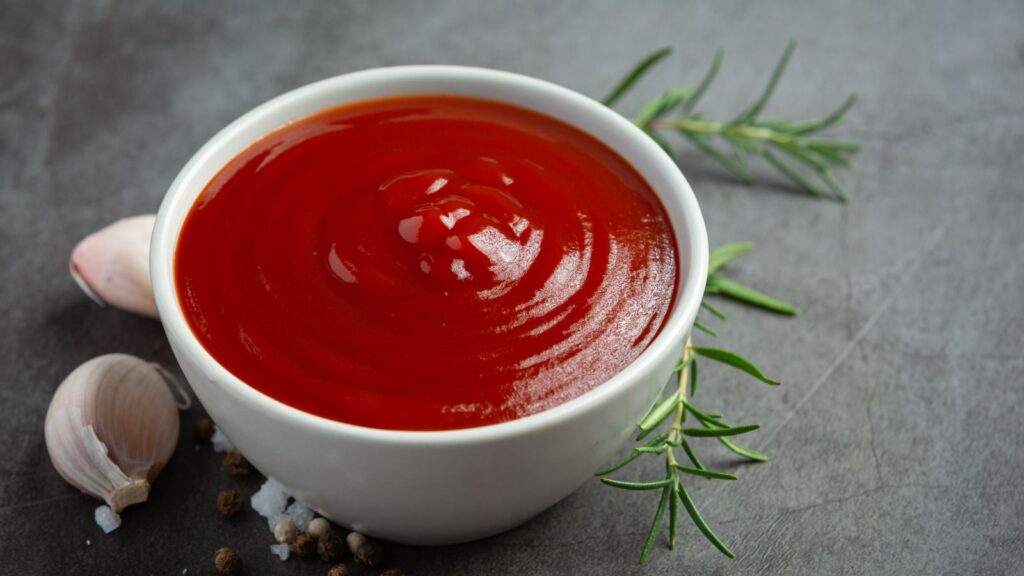
Tomato-Based Sauces
A cast-iron skillet can handle a lot, but tomato sauce is one food worth treating with some caution. Tomatoes are acidic, and cooking them for a long time in bare cast iron can gradually affect the seasoning. In some cases, the sauce may also pick up a faint metallic taste.
If you’re making marinara, shakshuka, or another tomato-heavy dish that needs to simmer, reach for an enameled cast-iron pot or a stainless steel saucepan instead. Save your regular skillet for foods that don’t require hours of contact with acidic ingredients.
Related: 10 Common Kitchen Mistakes That Make Food Go Bad Faster
Delicate Fish
A well-seasoned cast-iron skillet can be great for fish with sturdy skin, but very delicate fillets can be frustrating. Fish such as tilapia or some thinner cuts of salmon can stick if the pan isn’t properly heated and oiled.
Once the skin tears, you’re left with a messy pan and a less-than-perfect fillet.
A stainless steel or nonstick pan can make delicate fish easier to handle. Cast iron is still a great choice for heartier fish that can stand up to high heat.
Scrambled Eggs
Eggs and cast iron can work together, but scrambled eggs are often more trouble than they’re worth. Unless your skillet has a very good layer of seasoning and you’ve got your heat and fat just right, the eggs can stick to the surface.
That means scraping bits of breakfast off the pan instead of enjoying your coffee.
A quality nonstick pan is usually a better choice for scrambled eggs, omelets, and other delicate egg dishes. Keep the cast iron handy for bacon, breakfast potatoes, or fried eggs once you’ve got the seasoning in good shape.
Related: 10 Leftover Storage Mistakes That Could Be Ruining Your Food
Sticky or Sugary Sauces
Caramel, toffee, and other sugary sauces can turn into a headache in a cast-iron skillet. Sugar gets extremely sticky as it cooks, and once it hardens, removing it without making a mess can take some work.
Long exposure to sugary mixtures can also be rough on the seasoning.
An enameled pan is a better choice for caramel-based recipes and sticky desserts. If you want to bake something rustic in your cast iron, stick with recipes such as fruit-free cornbread or savory baked dishes that won’t leave behind a thick layer of hardened sugar.
Vinegar-Heavy Dishes
Vinegar brings plenty of flavor to sauces, braises, and marinades, but heavily acidic dishes aren’t the best match for bare cast iron.
A quick splash of vinegar during cooking usually isn’t a disaster, especially if your skillet is well seasoned. Problems are more likely with recipes that contain a lot of vinegar and need to cook for an extended period. The acid can wear down seasoning and may give the finished dish a metallic flavor.
For dishes such as vinegar-based braises or sauces, stainless steel or enameled cookware is a safer bet.
Related: 21 Celebrities You Didn’t Realize Have Food-Related Names
Large Amounts of Garlic and Onions
There’s nothing wrong with sautéing garlic and onions in cast iron. The issue is more about strong flavors lingering in the pan.
A well-seasoned skillet can sometimes hold onto the aroma of strongly flavored foods, particularly if the food is cooked for a long time. That may be noticeable the next time you prepare something mild.
If you’re making a heavily seasoned garlic or onion dish, a stainless steel pan can be easier to clean and less likely to carry those flavors into your next meal.
Cheese-Heavy Dishes
Melted cheese sounds like a perfect match for a skillet until you’re left with a layer of baked-on cheese that refuses to budge.
Queso, cheesy dips, and other dishes containing large amounts of melted cheese can stick to cast iron and create a cleanup headache. Scraping aggressively at the surface can also disturb the seasoning you’ve worked to build.
For queso and similar recipes, try an enameled cast-iron skillet, ceramic baking dish, or another pan with an easier-to-clean surface.
Related: 16 Food-Producing Plants That Are Perfect for Small Indoor Spaces
Long-Simmered Soups and Stews
Cast iron is fantastic for braising meat and making hearty meals, but bare cast iron isn’t always the best choice for soups or stews that contain acidic ingredients and need to simmer for hours.
Tomatoes, wine, vinegar, and other acidic ingredients can gradually affect the seasoning during extended cooking.
A stainless steel stockpot or enameled Dutch oven is a better fit for long-simmered soups and stews. Your cast-iron skillet can then handle the browning and searing that it’s so good at.
Berry Desserts
A warm berry cobbler baked in a cast-iron skillet sounds pretty appealing, and plenty of cooks do it successfully. The problem is that berries are acidic, and prolonged contact with acidic fruit can wear down the seasoning on bare cast iron.
If you make an occasional berry cobbler in your skillet, it isn’t likely to destroy it. Still, frequent use can take a toll on the seasoning.
For recipes loaded with blueberries, raspberries, strawberries, or other acidic fruit, glass, ceramic, or enameled cookware is a better option. This guide to cleaning a cast-iron skillet offers more tips for keeping your pan in good condition.
Strongly Spiced Foods
Curry, chili peppers, and other heavily seasoned dishes can leave behind aromas that linger in a cast-iron skillet. A well-seasoned pan isn’t necessarily ruined by spicy food, but repeated cooking of strongly flavored dishes can make those flavors noticeable in whatever you prepare next.
If you make curry one night and pancakes the next morning, you may discover that your breakfast has picked up an unexpected hint of yesterday’s dinner.
Stainless steel or another easy-to-clean pan can be a better choice for strongly spiced recipes. If you do use cast iron, give it a thorough cleaning and dry it completely before putting it away. This cast-iron pan guide has more information about choosing and caring for cast-iron cookware.
Cast iron is still one of the most useful pieces of cookware you can own. You don’t have to treat it like it’s fragile, either. Just know where it works best. High-heat cooking, searing, frying, roasting, and baking are all right in its wheelhouse. Acidic, sticky, or delicate foods are often easier in another pan.
A little care goes a long way, and knowing when to reach for a different piece of cookware can keep your skillet in great shape for years.