Keeping your home clean can feel pretty straightforward: wipe down the counters, sweep the floors, wash the dishes, and call it a day. The tricky part is that some of the germiest things in your home are items you handle every day without giving them much thought.
Sponges, remote controls, phone screens, and refrigerator handles can collect bacteria, food residue, oils, and other grime simply because they get so much use. Some are cleaned often, while others can go weeks or months without a proper wipe-down.
Here are 10 everyday household items that deserve a little more attention during your cleaning routine.
Kitchen Sponge
The kitchen sponge gets used for just about everything, from wiping counters to scrubbing dishes. All that contact with food, grease, moisture, and dirty surfaces gives bacteria plenty of places to hang around.
According to Health Me PA, kitchen sponges can contain more bacteria than a toilet seat.
Rinsing a sponge under the faucet isn’t enough to remove everything hiding inside it. Replace worn-out sponges regularly, and follow the manufacturer’s cleaning instructions if the sponge can safely go in a dishwasher or microwave.
Related: 14 Things You Should Never Plug Into a Power Strip
Toothbrush Holder
Your toothbrush holder spends most of its life sitting on the bathroom counter, quietly collecting whatever lands around it. Water drips from toothbrushes, toothpaste residue builds up, and airborne particles can settle on its surface.
Give the holder a regular wash with warm water and soap. If the design allows it, take it apart so you can clean the inside and bottom, where moisture tends to collect. A weekly cleaning can keep it from becoming another neglected bathroom germ spot.
Remote Controls
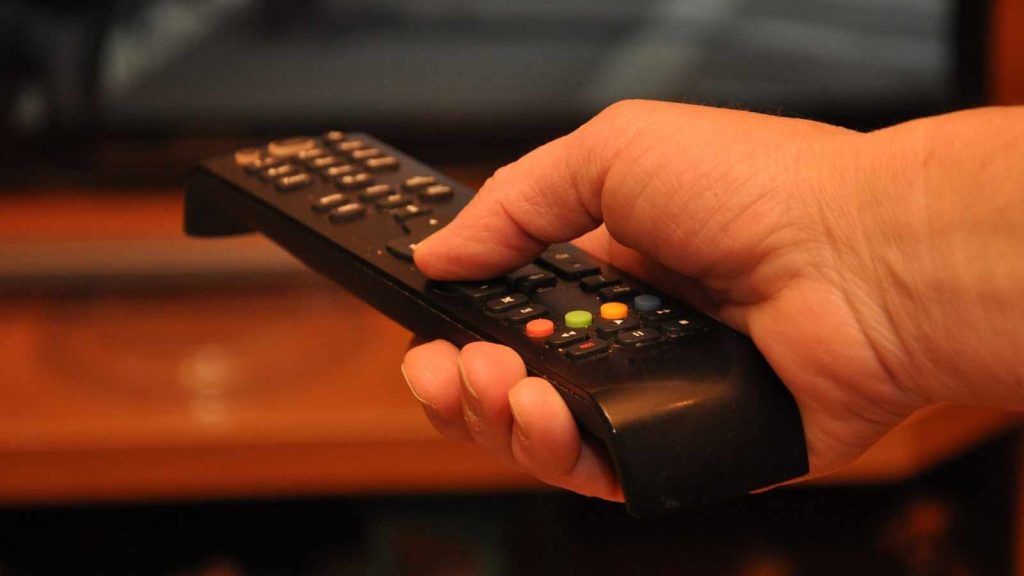
The remote control gets passed from one person to another, often while people are eating snacks or lounging on the couch. Crumbs, skin oils, dust, and everyday grime can work their way around the buttons and into the small spaces between them.
Once a week, wipe the remote with a cleaner that’s safe for electronics. A slightly damp microfiber cloth can help with the surface, while a cotton swab can reach around the buttons. Avoid soaking the remote or spraying cleaner directly onto it.
Related: 13 Things You’ll Find in Almost Every American Home
Kitchen Sink
A kitchen sink may look clean after you’ve rinsed it out, but it regularly comes into contact with food scraps, dirty dishes, raw ingredients, and wastewater. That makes it one of the places in the kitchen that deserves regular cleaning.
Give the basin a thorough scrub with an appropriate kitchen cleaner. For extra cleaning, you can use baking soda as a mild abrasive, followed by a disinfecting product that’s labeled for use on your sink material. Pay attention to the drain, faucet base, and edges, too.
Light Switches
Light switches are among the most frequently touched surfaces in a home, yet they rarely get the same attention as countertops and floors.
Every person who turns on a light leaves behind some combination of oils and dirt from their hands. Over time, the switch can develop a grimy film that’s easy to overlook.
Run a disinfecting wipe or slightly damp cloth over switches during your regular cleaning routine. Be careful not to let liquid seep into the electrical components.
Related: 15 Everyday Things Covered in More Germs Than You Think
Phone Screens
Your phone goes practically everywhere with you. It sits on tables, gets handled while you’re eating, rides around in your car, and may even make an appearance in the bathroom. It’s easy to see how much grime can end up on the screen and case.
A University of Michigan study found that cell phones can carry substantial amounts of bacteria.
Clean your phone regularly with a microfiber cloth and a cleaning product that’s approved for your device. Check the manufacturer’s instructions before using any disinfectant, since some products can damage screen coatings.
Cutting Boards
Cutting boards take a beating in the kitchen. Raw meat, vegetables, fruit, bread, and other foods can all end up on the same surface, and knife marks can create small grooves where food particles may remain.
Plastic cutting boards can often go into the dishwasher, making them fairly easy to clean. Wooden boards need different care, so follow the manufacturer’s instructions and wash them thoroughly after use.
It’s also a good idea to keep separate boards for raw meat and ready-to-eat foods. Replace boards once they become deeply scored or difficult to clean.
Related: 15 Things Guests Notice First When They Walk Into Your Home
Refrigerator Handles
Think about how many times you open the refrigerator during a normal day. Every trip for milk, leftovers, snacks, or ingredients means another round of hand contact with the handle.
Refrigerator handles can pick up food residue and grime, especially when you reach for them while cooking.
Wipe the handles regularly with a household cleaner that’s suitable for the refrigerator’s finish. A quick weekly wipe can make a noticeable difference, with extra cleaning after messy food preparation.
Pillows and Pillowcases
Pillowcases get washed regularly in many homes, but the pillows underneath are easy to forget. Over time, pillows can collect sweat, skin oils, dust, and allergens.
Check the care label on your pillows before washing them. Some can go in the washing machine, while others need spot cleaning or replacement. Washing pillowcases regularly also helps keep the surface where you rest your face cleaner.
If your pillow has become lumpy, stained, or difficult to freshen, it may simply be time for a replacement rather than another round in the laundry.
Reusable Grocery Bags
Reusable grocery bags are handy, but they’re often used again and again without being cleaned. They can carry produce, packaged meat, leaking containers, and groceries that have been sitting in a car trunk or on a store checkout surface.
Fabric bags can often be washed according to their care instructions. Plastic or insulated bags can usually be wiped down with an appropriate cleaner.
Give your grocery bags a quick inspection after each shopping trip. If something leaks inside, clean the bag before using it again. A few minutes of cleaning can keep your reusable bags from becoming a forgotten source of household grime.