Keeping a yard green and colorful can feel like a lot of work, especially if your schedule is packed, the weather refuses to cooperate, or you simply don’t have much luck with plants. If you’ve ever watched a new garden plant struggle after a few weeks, you’re certainly not the only one.
Gardening is still a popular hobby across the country. Ruby Home reports that 55% of American households, or about 185.9 million people, garden, putting the U.S. among the top three gardening countries in the world.
A good way to spend less time worrying about your yard is to choose plants that can handle a little neglect. Hardy flowers, grasses, herbs, and perennials can deal with heat, dry spells, poor soil, and other conditions that would leave more delicate plants struggling.
Here are 15 tough landscaping plants that can give your yard plenty of color and texture without demanding constant attention.
Hostas
Hostas are a favorite for shady parts of the yard where many flowering plants have trouble getting enough light. Their broad leaves come in shades of green, blue-green, yellow, and variegated patterns, giving garden beds plenty of visual interest even before they bloom.
Once established, hostas can tolerate some neglect and return year after year. They prefer moist, well-drained soil and benefit from a layer of mulch that helps keep the roots from drying out.
Hostas can work particularly well beneath trees or along shaded walkways. Just keep an eye out for slugs, which can sometimes make a meal of their leaves.
Related: 14 Indoor Plants Believed to Attract Good Energy
Sedum (Stonecrop)
Sedum is a great pick for hot, dry areas where other plants may struggle. Its thick leaves hold water, allowing established plants to handle periods of drought with little help from the gardener.
Many sedum varieties also produce clusters of flowers late in the growing season. ‘Autumn Joy,’ for example, develops large flower heads that change color as they mature.
Give sedum plenty of sun and soil that drains well. Too much moisture can cause problems, so this is a good plant for rocky beds, slopes, containers, and other areas where the soil tends to stay on the dry side.
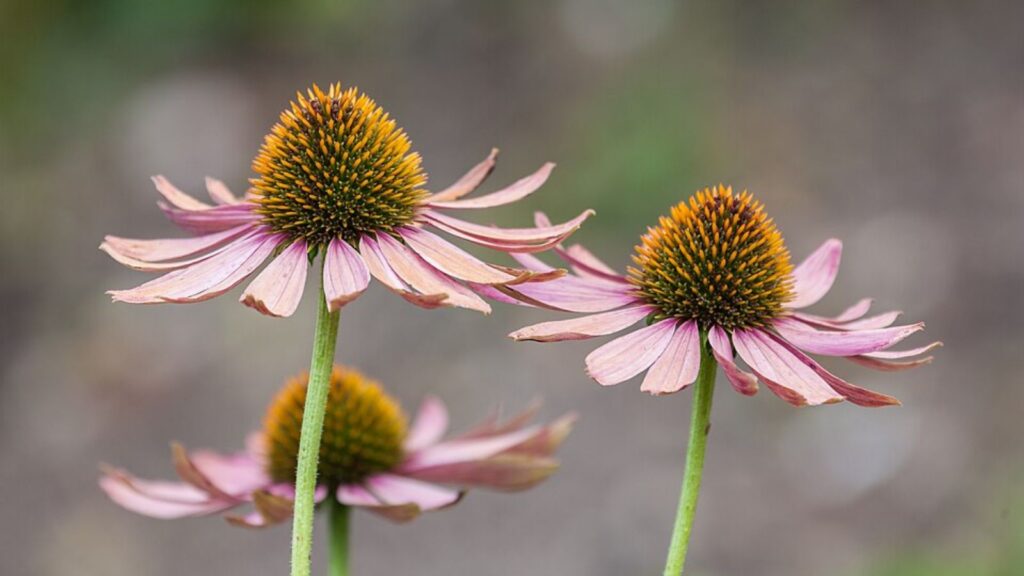
Coneflowers (Echinacea)
Coneflowers are native North American perennials that have earned a reputation for being tough. They can handle heat, drought, and less-than-perfect soil once they become established.
Their daisy-like flowers come in shades such as pink, purple, white, orange, and yellow, depending on the variety. Bees and butterflies are also frequent visitors during the flowering season.
Coneflowers return each year and can bloom for weeks during summer. They work well in mixed flower beds, cottage-style gardens, and open sunny areas where you want color without constant watering.
Related: 15 Gorgeous Native Plants to Grow Around Your Home
Russian Sage
Russian sage brings a soft combination of silvery foliage and small lavender-blue flowers to sunny garden beds. It prefers well-drained soil and can handle dry conditions once its roots are established.
The plant also has fragrant foliage that deer tend to avoid, which can make it useful in yards where browsing animals are a problem.
Russian sage can grow quite large, so give it enough room from the start. A sunny location and well-drained soil are usually enough to keep this hardy perennial going.
Coreopsis
Coreopsis, also called tickseed, is an easygoing flower that produces cheerful yellow blooms for much of the growing season. Some varieties also come in pink, red, or bicolor flowers.
It can grow in several soil types and usually needs little attention once established. Many varieties tolerate dry conditions, making coreopsis a useful choice for gardeners who don’t want to spend all summer dragging a hose around the yard.
Regularly removing spent flowers can encourage more blooms. Some types also self-seed, allowing new plants to appear in following seasons.
Ornamental Grasses
Ornamental grasses can add height, texture, and movement without requiring the same level of care as many flowering plants. Popular choices include maiden grass and switchgrass, with varieties available in different heights and colors.
Many ornamental grasses tolerate drought and poor soil once established. They can also provide structure after many flowering plants have finished for the season.
Most need little more than an annual trim, usually in late winter or early spring. Plant them in groups for a fuller display, or use taller varieties along fences and property boundaries.
Related: 10 Beautiful Plants That Also Keep Garden Pests Away
Mint
Mint is almost famous for growing wherever it gets the chance. It can tolerate a range of conditions and usually doesn’t need much encouragement to spread.
That last part is both its greatest strength and its biggest drawback. Mint can take over garden beds quickly, so planting it directly in the ground may create more work later.
A container is a much safer choice. Keep the pot near the kitchen and you’ll have a steady supply of fresh mint for drinks, desserts, and cooking.
Ferns
Ferns are excellent choices for shady areas, especially spots where the soil stays reasonably moist. Boston ferns, Japanese painted ferns, and other varieties can add soft, feathery foliage to spaces where many flowering plants won’t thrive.
Once established in a suitable location, many garden ferns need little attention beyond removing old or damaged fronds.
They are particularly useful beneath trees, along shaded paths, or in woodland-style beds. Just check the requirements of the variety you choose, since some ferns prefer consistently moist soil while others handle drier conditions.
Lamb’s Ear
Lamb’s ear gets its name from its soft, fuzzy leaves, which have a silvery-gray appearance. The foliage makes an interesting contrast against green plants and brightly colored flowers.
This plant prefers plenty of sunlight and well-drained soil. Once established, it can handle dry conditions and generally doesn’t need frequent watering.
Lamb’s ear also works as a ground cover, helping fill gaps between larger plants. Remove damaged or crowded growth from time to time to keep the plant looking tidy.
Iris
Iris plants may look delicate when they bloom, but many varieties are remarkably tough. Their sword-shaped foliage and large flowers bring plenty of color to sunny garden beds.
Bearded iris, in particular, can tolerate dry conditions once established and can grow in a range of soils, provided the area drains well.
Iris plants spread through underground rhizomes and can eventually form large clumps. Dividing them every few years gives you more plants and helps prevent overcrowding.
Related: 12 Beautiful Plants You Can Grow in Glass Containers at Home
Zinnias
Zinnias are among the easiest annual flowers for adding a lot of color without spending much money. They grow quickly from seed and come in a huge range of colors, flower shapes, and sizes.
Give them plenty of sunlight and well-drained soil, and they can continue flowering from summer into fall. Once established, they can tolerate short periods of dry weather.
Zinnias also attract butterflies and other pollinators. Removing faded flowers can encourage the plants to keep producing new blooms throughout the season.
Daylilies
Daylilies are a longtime favorite for good reason. Their trumpet-shaped flowers come in countless colors, and the plants can handle heat, drought, and less-than-perfect growing conditions.
According to Clemson, daylilies can grow in full sun or partial shade and spread over time. Once established, they generally need little attention beyond basic watering during extended dry spells.
Each individual flower lasts for only about a day, but established plants can produce many buds over the flowering season. Their ability to spread also makes them useful for filling larger garden beds.
Lavender
Lavender brings fragrant foliage and purple flowers to sunny, dry areas of the garden. It prefers well-drained soil and plenty of sunlight, and established plants can handle periods of drought.
According to the Farmer’s Almanac, lavender is drought-tolerant and can continue growing through dry periods with relatively little water.
Its scent is another reason gardeners like it. Lavender can be harvested for sachets, teas, crafts, and other household uses.
Avoid planting lavender in heavy, constantly wet soil. Good drainage is one of the biggest factors in keeping these plants healthy.
Black-Eyed Susans
Black-eyed Susans are hard to miss. Their bright yellow petals and dark centers can fill a garden with color during summer and early fall.
Once established, these North American natives can tolerate heat and periods of dry weather. They prefer full sun and usually don’t require much attention beyond occasional watering during prolonged drought.
They are also useful for wildlife. Research from Penn State Extension notes that black-eyed Susans attract bees, butterflies, flies, and moths.
Their ability to return year after year makes them a practical choice for gardeners who want dependable color without replanting every spring.
Yarrow
Yarrow is a hardy perennial that can handle dry conditions, poor soil, and plenty of sunshine. Its flat clusters of tiny flowers can appear in white, yellow, pink, red, and other shades depending on the variety.
Once established, yarrow usually needs little supplemental water. It also spreads over time, making it useful for filling larger spaces.
Plant it in a sunny location with well-drained soil. Since yarrow can spread aggressively in some gardens, give it room or keep it contained if you don’t want it moving into nearby beds.
Black-Eyed Susans
Black-eyed Susans deserve a second mention because they are such a reliable choice for low-maintenance yards. Their long-lasting yellow flowers can brighten borders, meadow-style plantings, and large open beds.
They can cope with hot summers and dry spells after their roots are established. Their seeds also provide food for birds after the flowers fade.
For a yard that needs color without daily attention, black-eyed Susans are hard to beat. Plant them in full sun, give them room to spread, and let them do much of the work themselves.